National Gallery of Art – the beginning

In the second of a series of blogs on the beginnings of museum collections, I decided to write about our nation’s museum – the National Gallery of Art in Washington D.C. The museum and its founding collection was a gift of Pittsburgh industrialist and later Treasury Secretary Andrew Mellon.  It was in 1928, that Andrew Mellon first expressed interest in starting a national art museum, and in December 1936 he offered his personal art collection, now known as the Mellon Collection, as well as funds to build the museum. Sadly, he died in March 1937 just as the construction of the museum was starting. It was built however according to his vision.

Sandro Botticelli, The Adoration of the Magi (1478), NGA ID 1937.1.22

The Mellon Collection comprised of 125 paintings, 25 of which Mellon purchased from the Hermitage Museum (St. Petersburg, Russia) in 1931. The young, and poor, socialist government of the Soviet Union needed money which it raised by selling off priceless treasures to millionaires like Andrew Mellon, Calouste Gulbenkian (who founded the Gulbenkian museum in Lisbon), and Marjorie Post (owner of General Foods, Inc.).
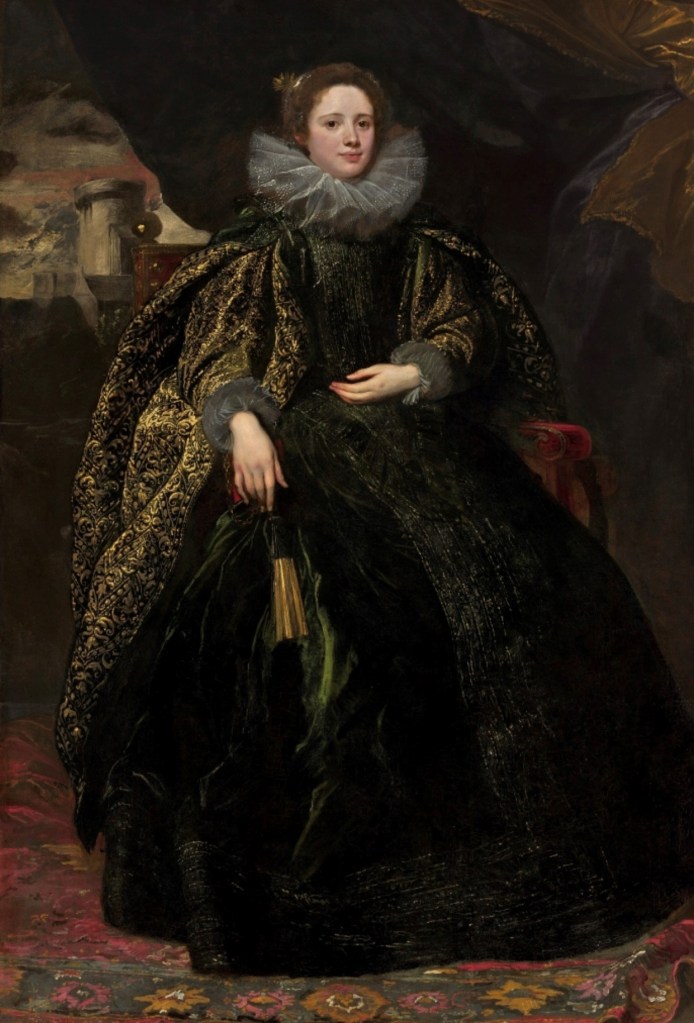
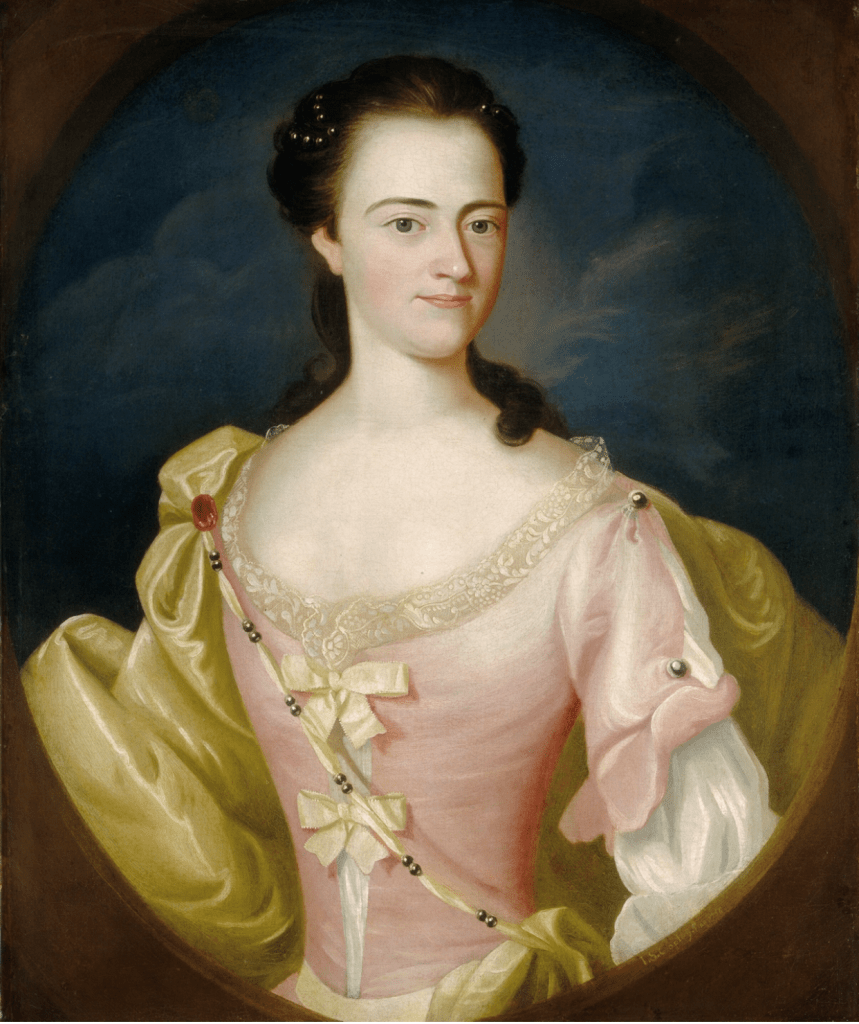
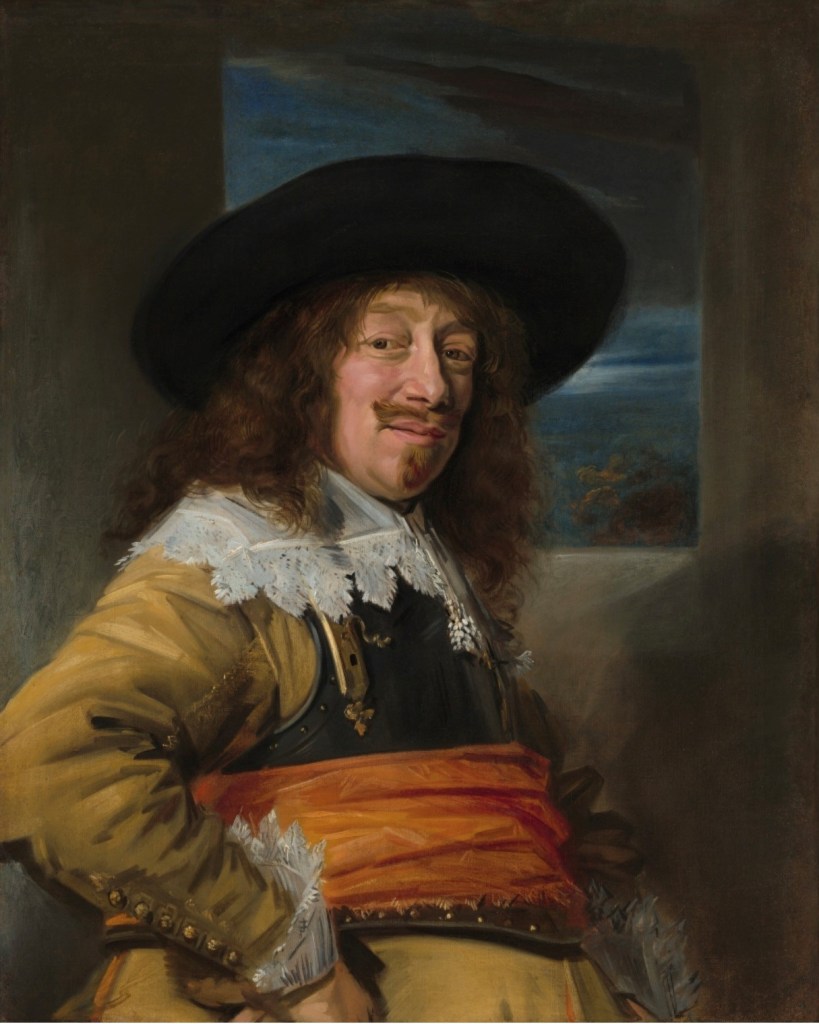
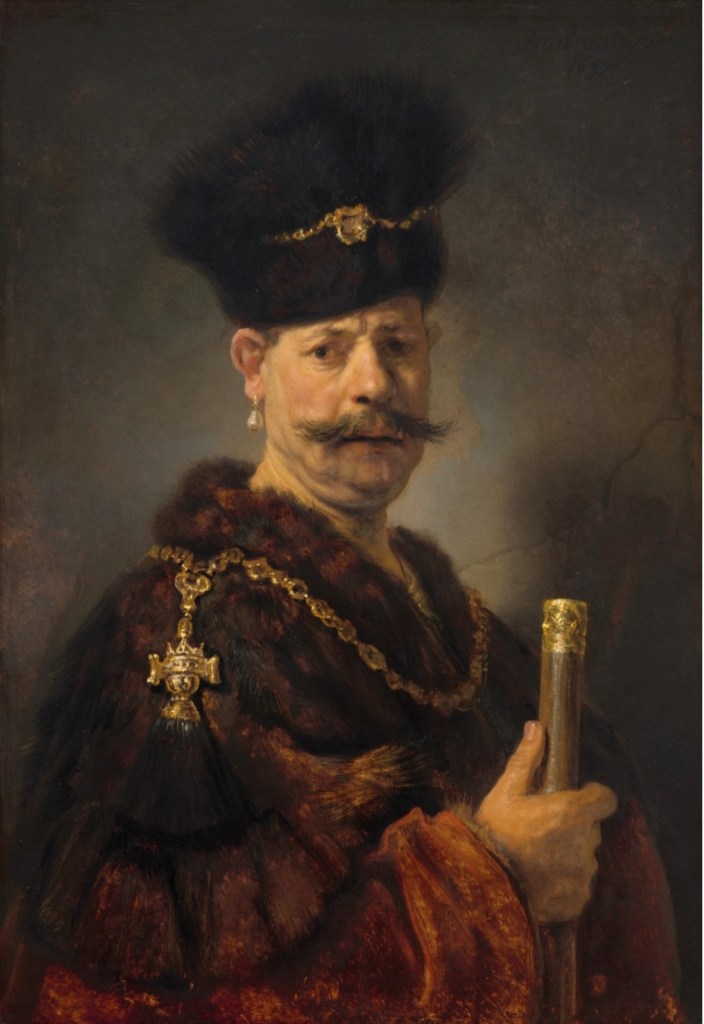
The works acquired by Mellon and gifted to the National Gallery included Rembrandts, Van Dyck, Reubens, Botticelli, Velazquez, Hals, and a Chardin. Quite unbelievable that Stalin’s government would have permitted this kind of a cultural drain – but it certainly has enriched our National Gallery beyond imagination!!

(Sources: National Gallery of Art, The Washington Post).
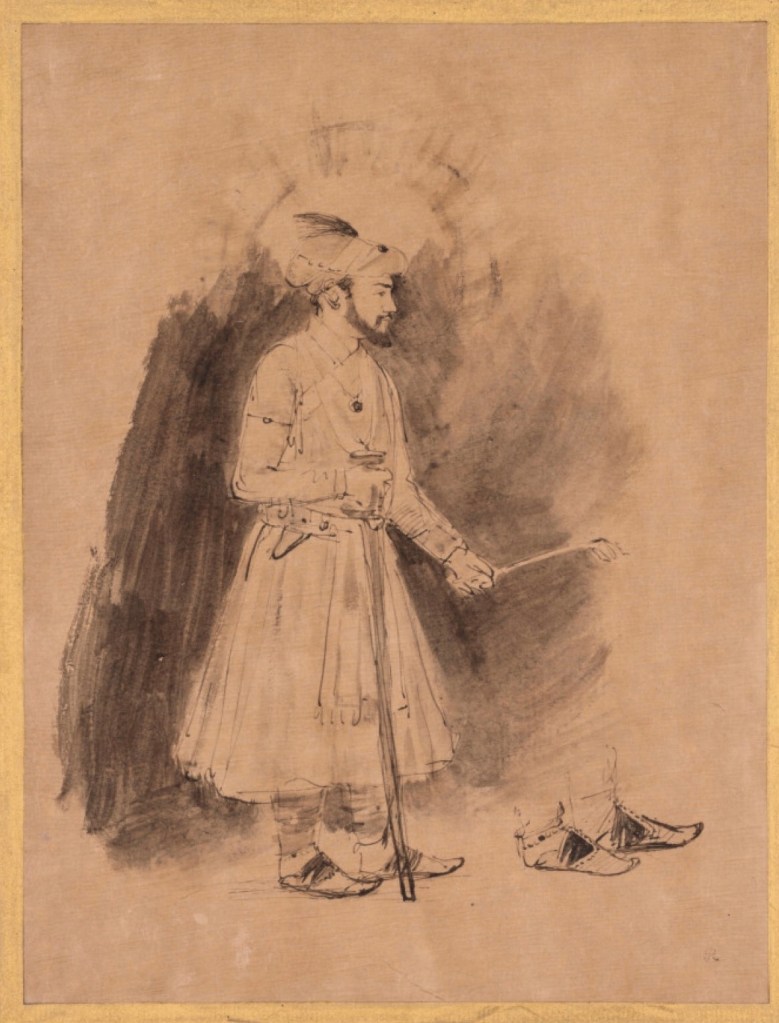
Mughal miniatures.. by Rembrandt?

I am fascinated by the cross-cultural exchanges that were starting to take place in the world in the 17th Century, and the manner in which they manifested themselves in contemporary art. The Dutch and East India companies were trading with Mughal India and other countries in the East and apart from the spices they also brought back Mughal miniatures.

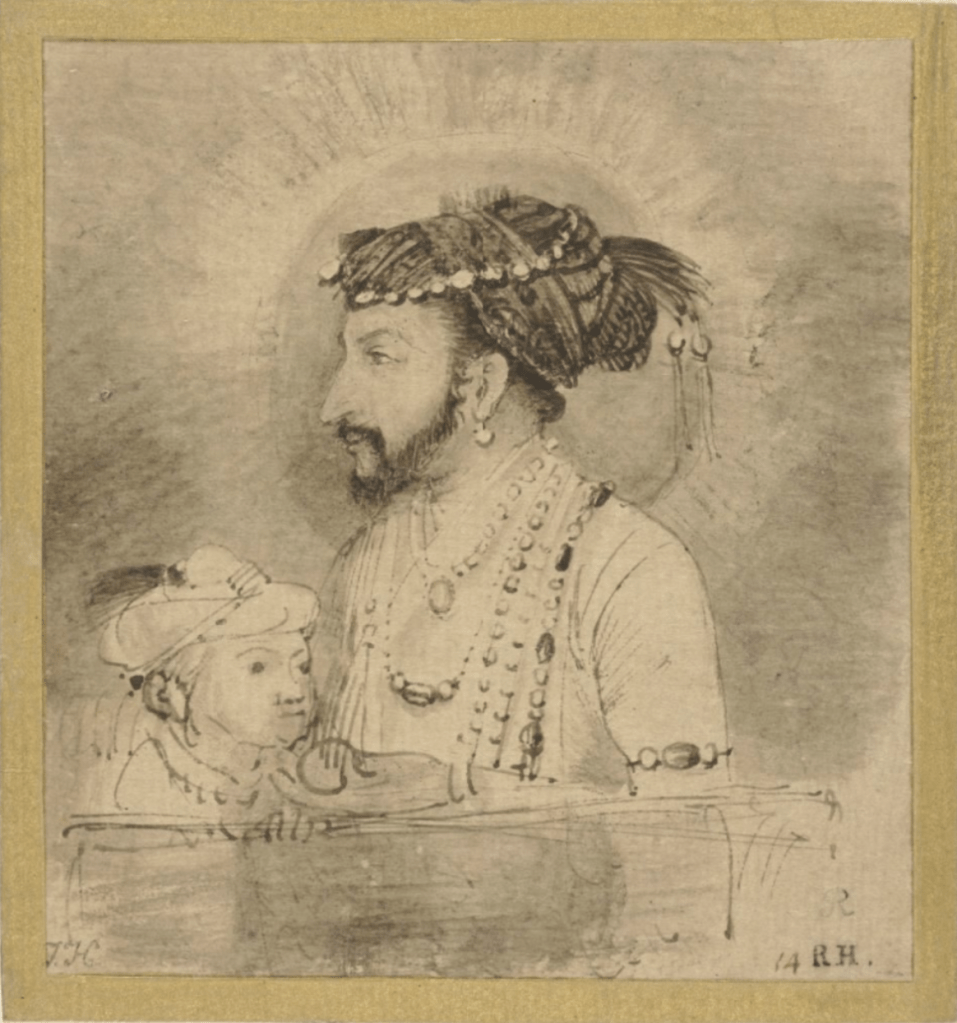
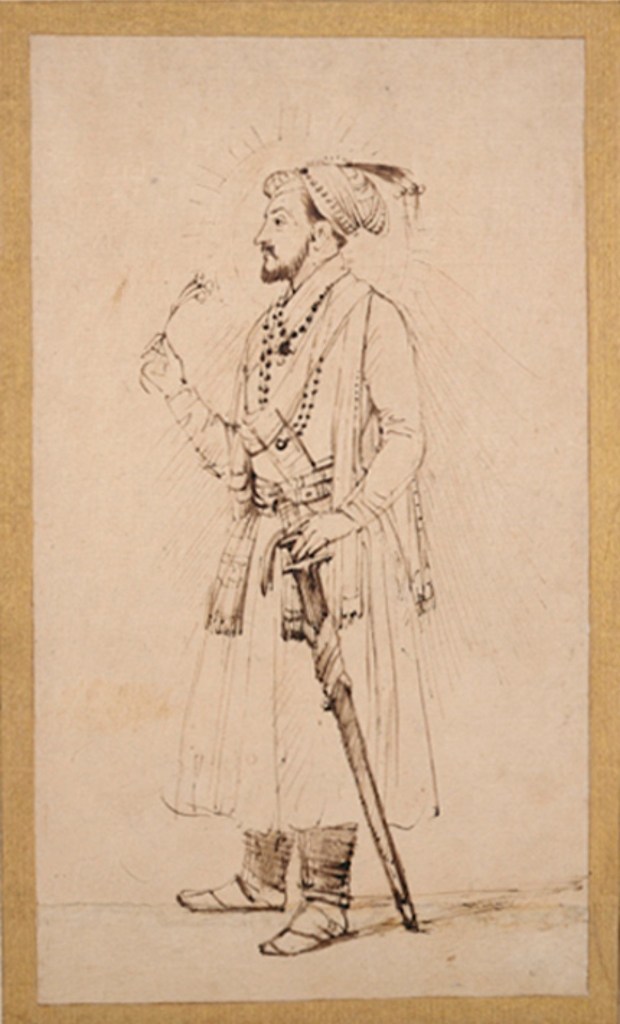
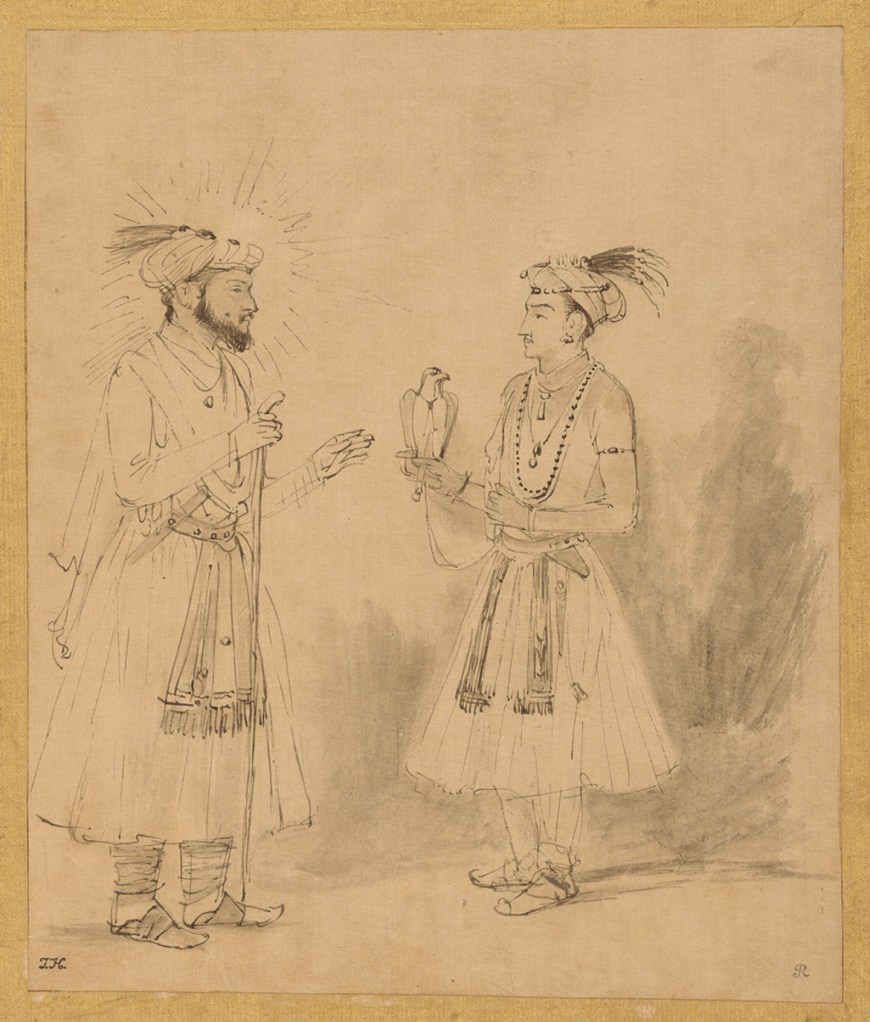
In a previous blog post, East meets West – in 17th Century India, I talked about the influence of European art on Mughal miniatures during Jahangir’s reign as a result of trade and the presence of Jesuit missionaries in the region. On the flip side, the Mughal miniatures that were brought back by the traders from Agra to the Netherlands were of keen interest to many including the most famous artist of the era, Rembrandt Harmenszoon van Rijn (1606-69). He made several ink etchings of Mughal miniatures on Japanese paper – of which 23 are known to survive.

While some were more or less exact renditions, albeit monochromatic, of the colorful miniatures, in others Rembrandt showed movement – something that is almost always missing from the static miniatures. He mainly focused on the people, their mannerisms, and costumes, and ignored the intense colors and vibrant floral background of the miniatures. Interestingly, the miniatures seemed to have an influence on his later works, which can be seen in Abraham Entertaining the Angels (1656). The circular seating of the figures, the appearance of the bearded Abraham, the round plate and jug all seem inspired by the Mughal miniature Four Mullahs (1627-28) and his copy Four Orientals under a Tree (1656-61).

Rembrandt, Abraham Entertaining the Angels (1656)

(Sources: The Metropolitan Museum of Art, Rijksmuseum, The Frick Collection, British Museum, San Diego Museum of Art, The Getty Museum)

In the beginning – The Met

For some time now I’ve been wondering about the pieces with which art museums start their collections – especially the public museums like The Metropolitan Museum of Art in New York or the National Gallery in London or DC – by public I mean not old royal collections like the Prado Museum. What was the first piece that seeded these incredibly large collections? So here we go – the first in the series – I’ll start with the Met in New York.

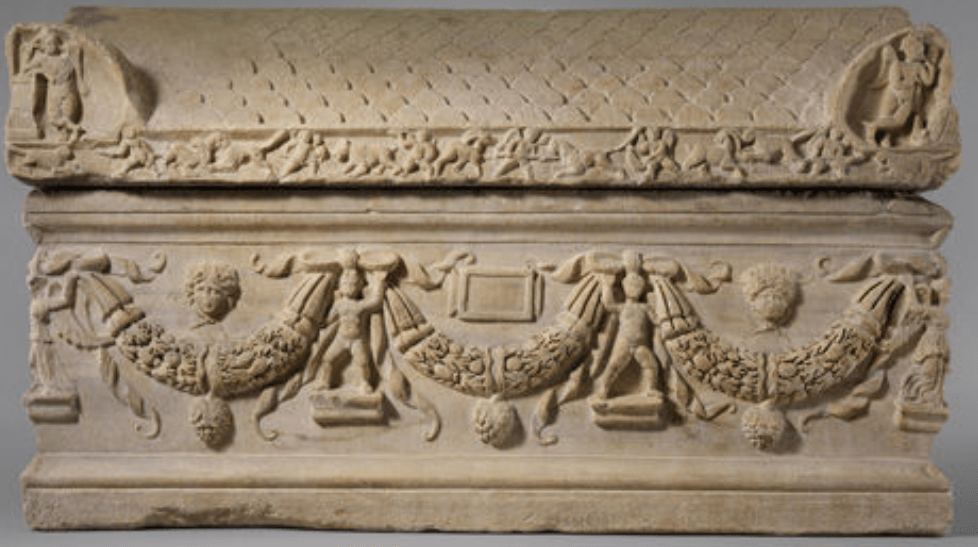
Met ID 70.1 – Roman, Marble Sarcophagus with garlands, Ad 200-225

The Met started as a brainchild of a group of New York businessmen gathered in Paris in 1866 to celebrate the 90th signing of the Declaration of Independence – they wanted to start an art museum in New York similar to the ones found in European capitals. Four years later John Jay, a NY based lawyer who had rallied support from civic leaders, incorporated the museum and acquired the first of 1.5 million pieces on November 20, 1870 – a Roman sarcophagus given by Abdo Debbas, the American vice consul in Turkey. It’s Met ID is 70.1 – interesting that they didn’t say 1870.1 – all 1970 and later acquisitions probably start with the full four digits.

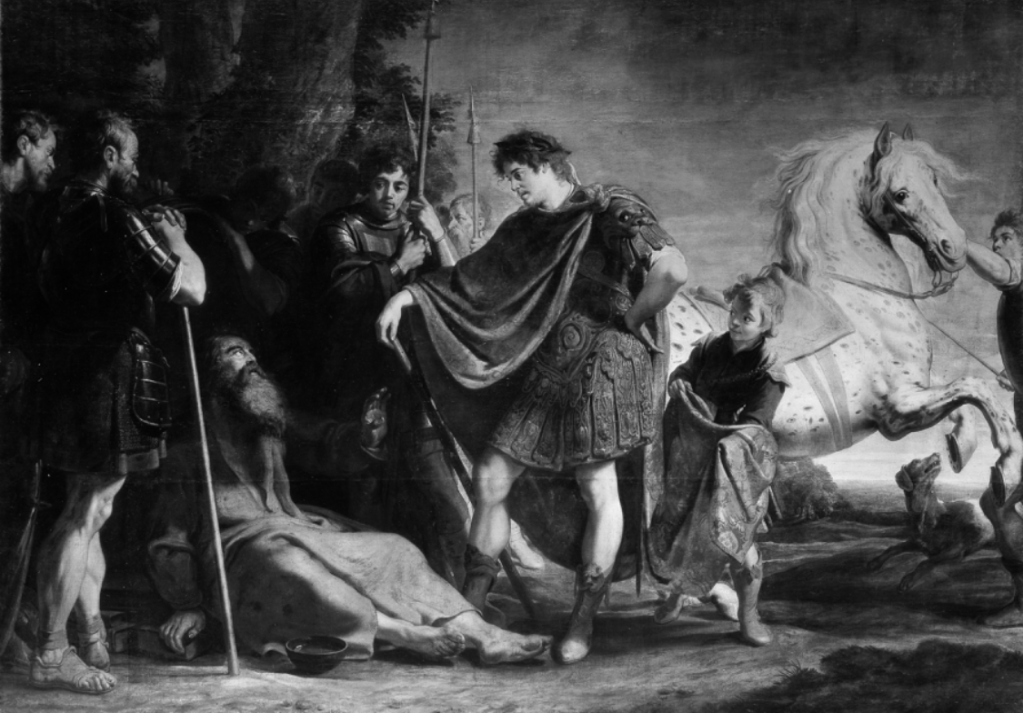
Met ID 71.1 Gaspar de Crayer, The Meeting of Alexander the Great and Diogenes

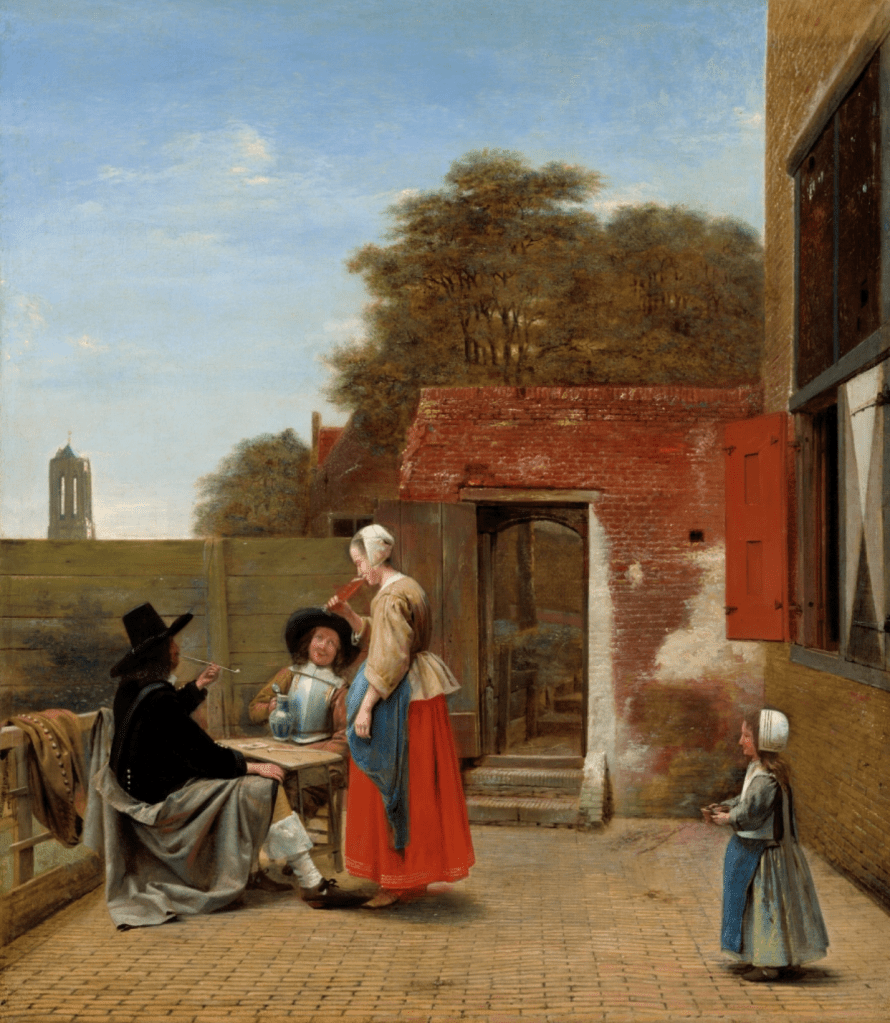
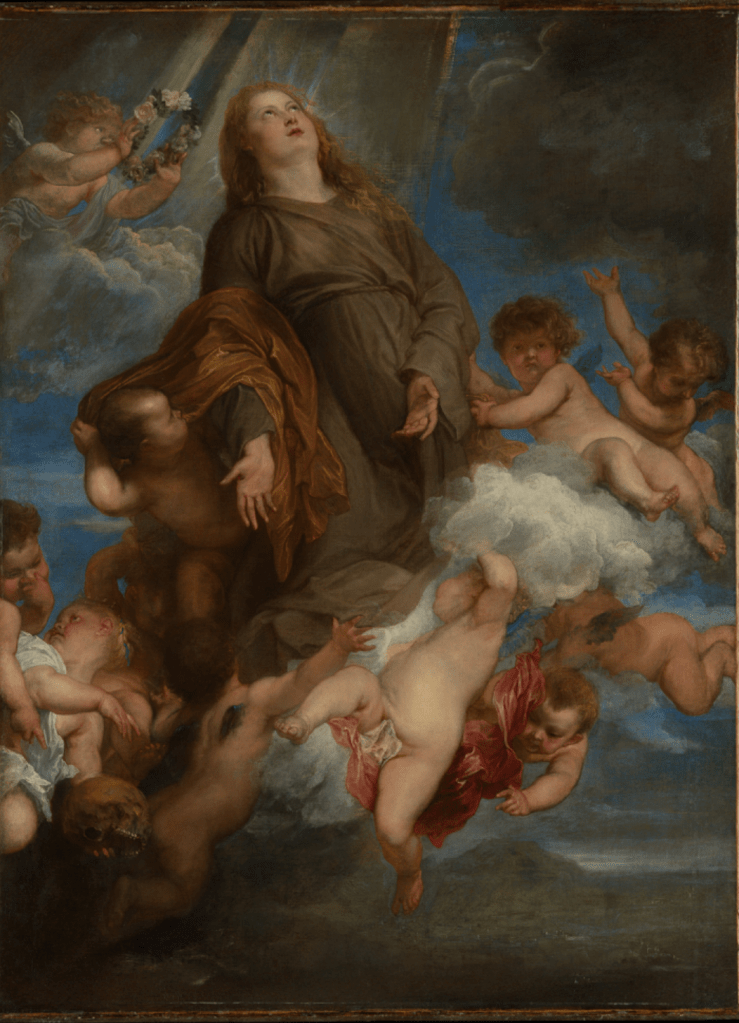
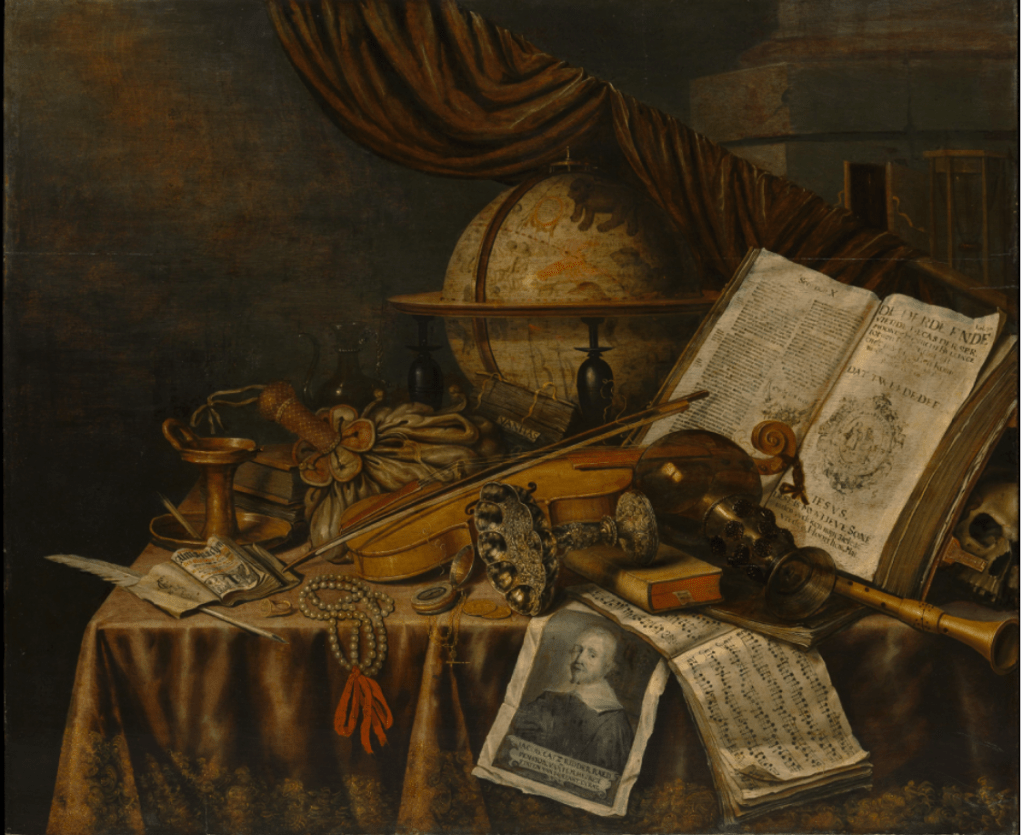
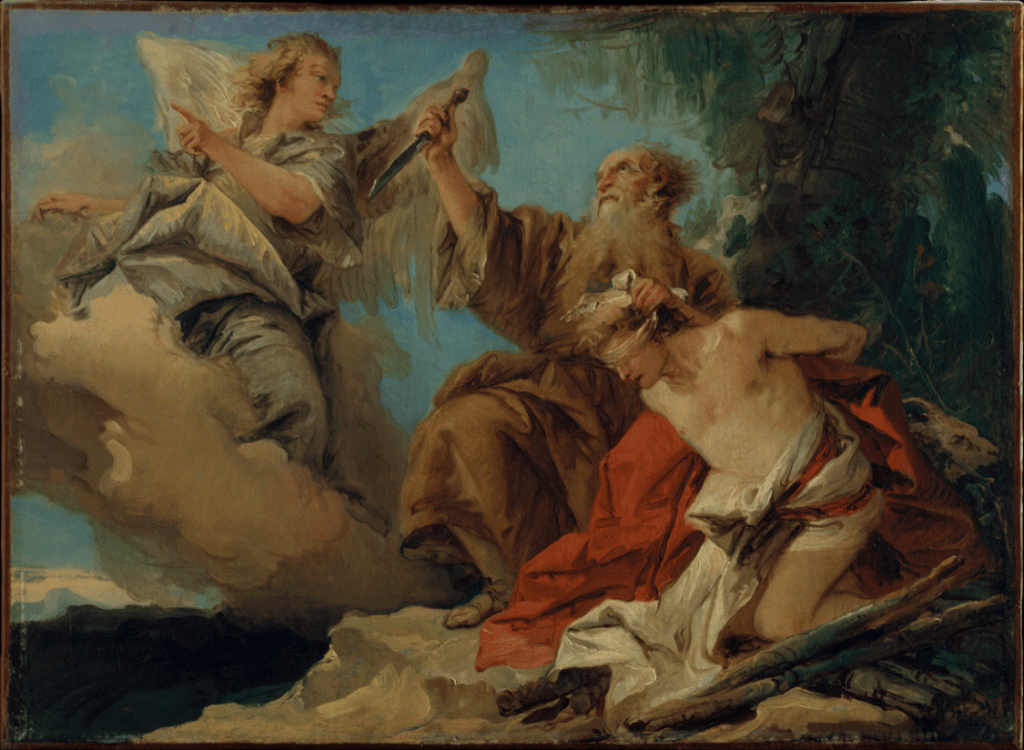
Just before the start of the Franco-Prussian War in July 1870, one of the founders and trustee of the museum, businessman and philanthropist William T. Blodgett left for Paris on a buying trip and a month later he acquired a collection of 57 pictures called “the Paris Collection,” sold to him by a collector in financial and political hardship. In September, he acquired a Belgian aristocrat, Count Cornet de Ways Ruart’s collection of 100 paintings, and his 3rd and final purchase was 17 more pictures from a collection. These 174 paintings, collectively known as the “Purchase of 1871,” started the collection at the Met. Here are some of them with their Met IDs!!

Perhaps fitting for a museum in New York that so many of its earliest acquisitions were by Dutch artists.

(Source: The Metropolitan Museum of New York)