My afternoon with Sargent

Last weekend I went to Washington DC to accompany my sister on a speech tournament. I could do that because school is over.  Since the group had free time, we went to various museums around the city.  I went to the National Gallery of Art (NGA) which was great fun especially because it was so hot outside.  The museum was big but not huge like the Louvre or the Hermitage, and I felt like I saw most of it.  It’s a gorgeous building with an atrium on either side – where one can sit and relax.  There was a Sally Mann photography exhibition going on in the museum.  Her large black and white landscapes of the South were really stunning.  Unfortunately, we weren’t allowed to take pictures of the exhibition.
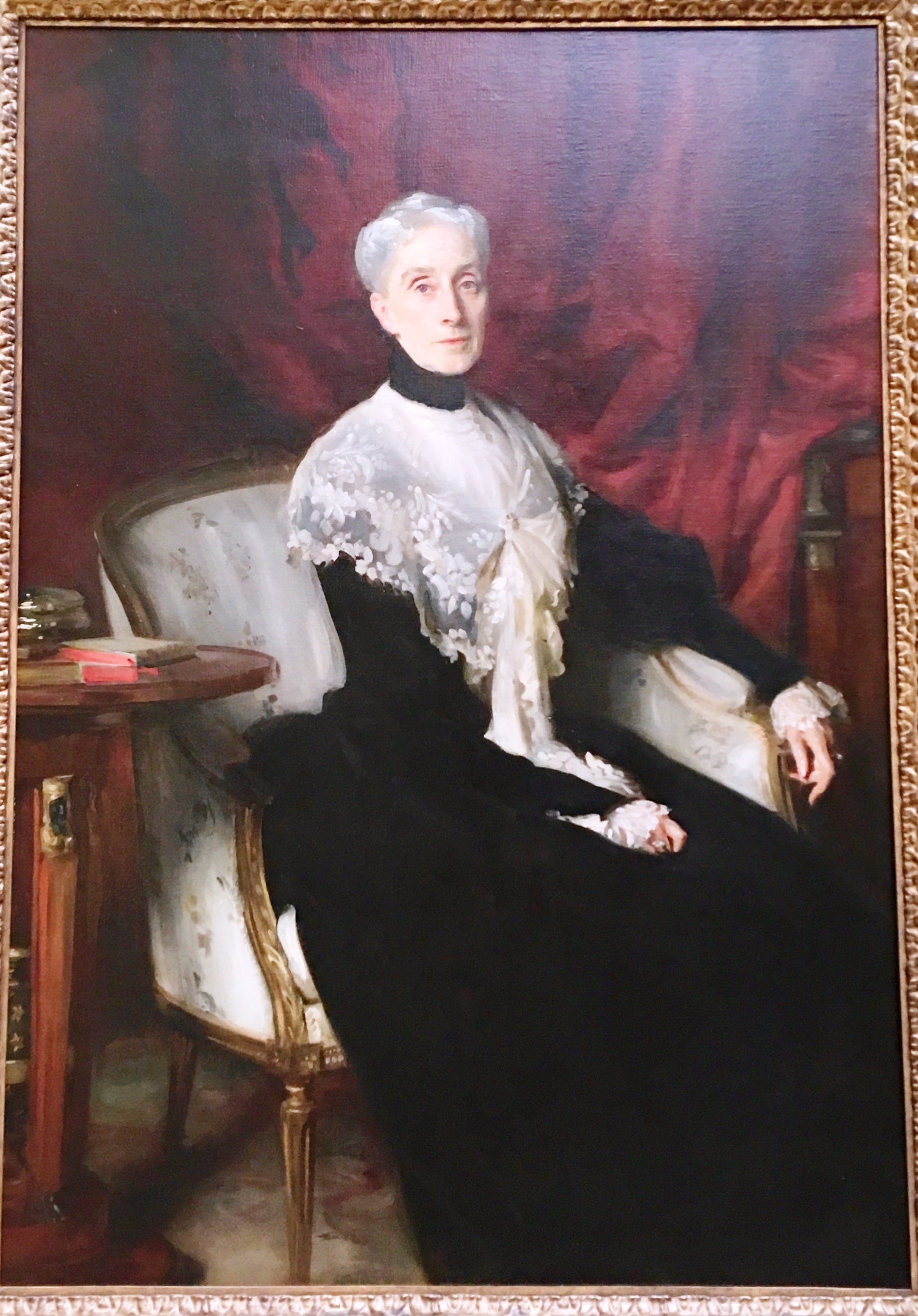
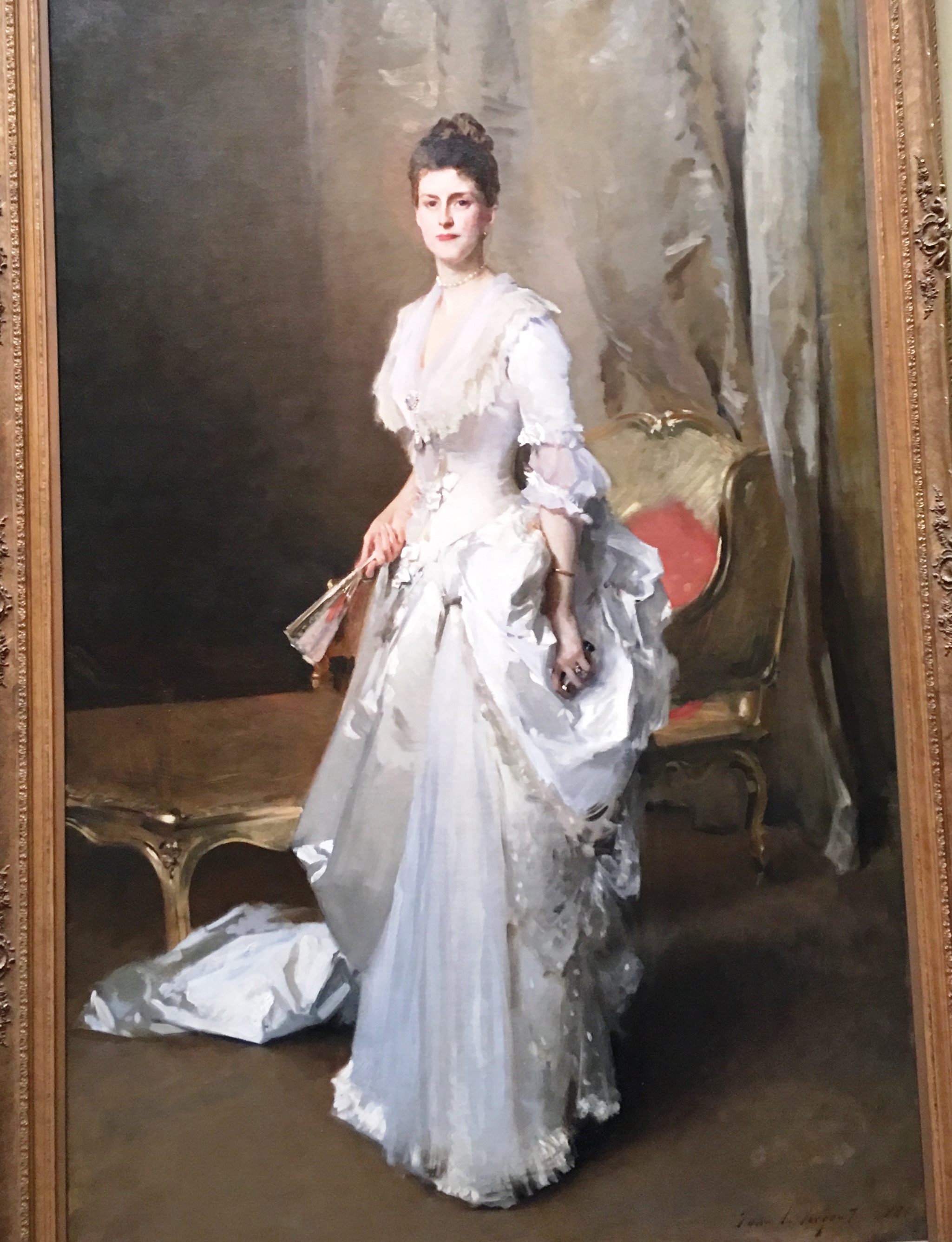
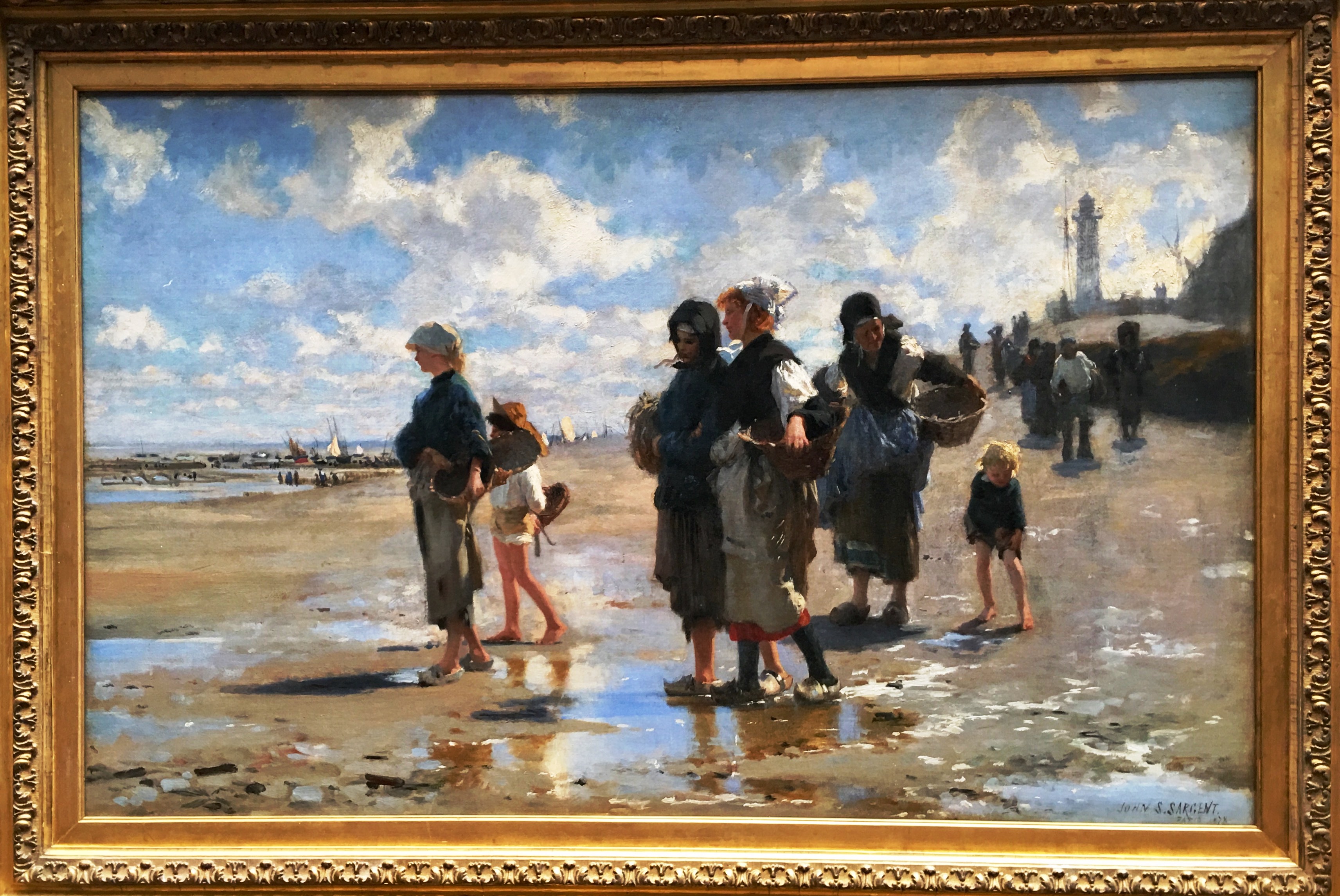
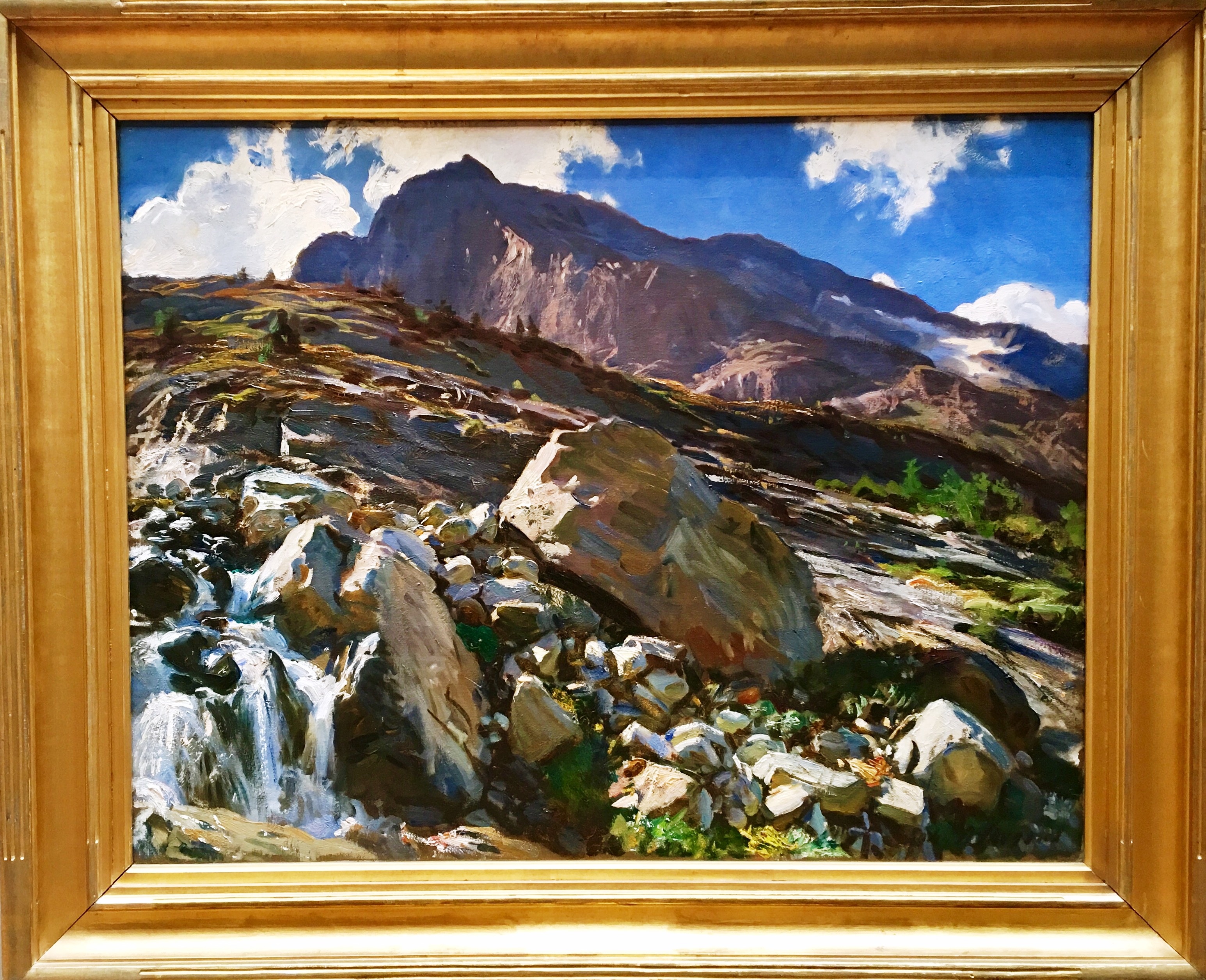
I spent a long time admiring the John Singer Sargent paintings in the museum. Sargent (1856 – 1925) is an American artist, who was trained in France, and lived in London. He is heavily influenced by Spanish master artist Velazquez, whom he studied passionately.   Interestingly, Sargent also painted murals which can be found in the Boston public Library and Boston’s Museum of Fine Arts.  The NGA in DC has some beautiful Sargent works which I photographed (with permission of course).  The paintings in the museum show his versatility as an artist – his landscapes, portraits, interiors are all equally beautiful.  It’s very difficult to pick a favorite but if I had to, I would pick the lady in the white silk gown with the paisley shawl.  I had a really fun time in the museum because I saw a lot of stuff but focused on one artist the most.  Others may not like to focus on one artist as they feel it limits their enjoyment of the museum – for me it was great fun.

Sargent - Pavement, Cairo, 1891Sargent - Nonchaloir (Repose), 1911

Patriotism

I recently found this poem by Duluth Poet Ellie Schoenfeld, and thought it was a nice poem about Patriotism for Patriots Day.

My country is this dirt
that gathers under my fingernails
when I am in the garden.
The quiet bacteria and fungi,
all the little insects and bugs
are my compatriots. They are
idealistic, always working together
for the common good.
I kneel on the earth
and pledge my allegiance
to all the dirt of the world,
to all of that soil which grows
flowers and food
for the just and unjust alike.
The soil does not care
what we think about or who we love.
It knows our true substance,
of what we are really made.
I stand my ground on this ground,
this ground which will
ultimately
recruit us all
to its side. 

Arts in the City Beautiful

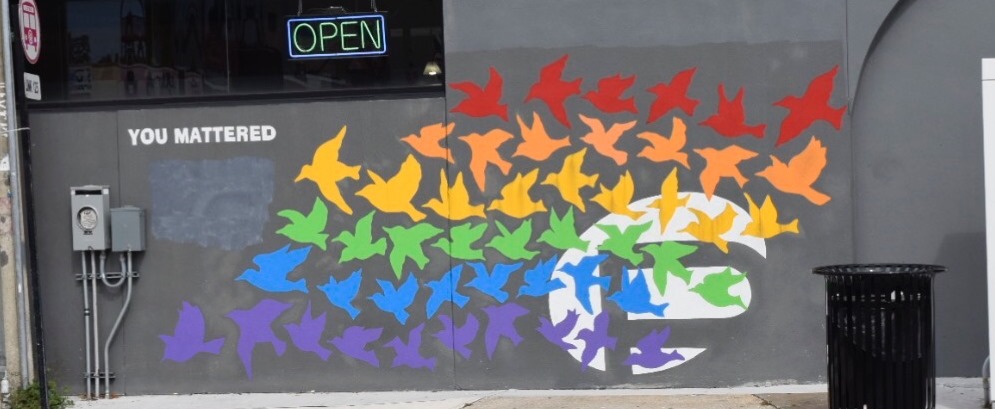
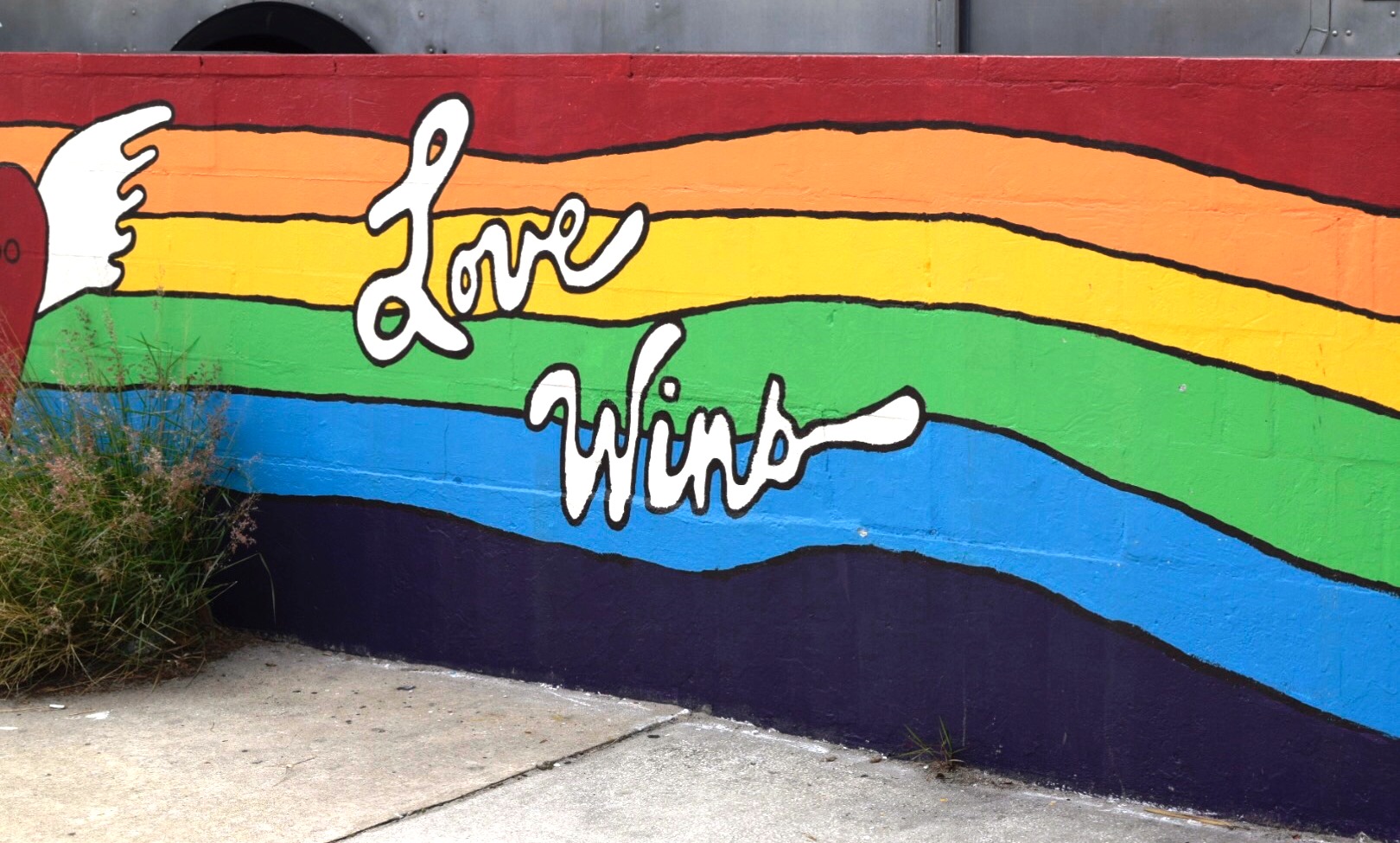
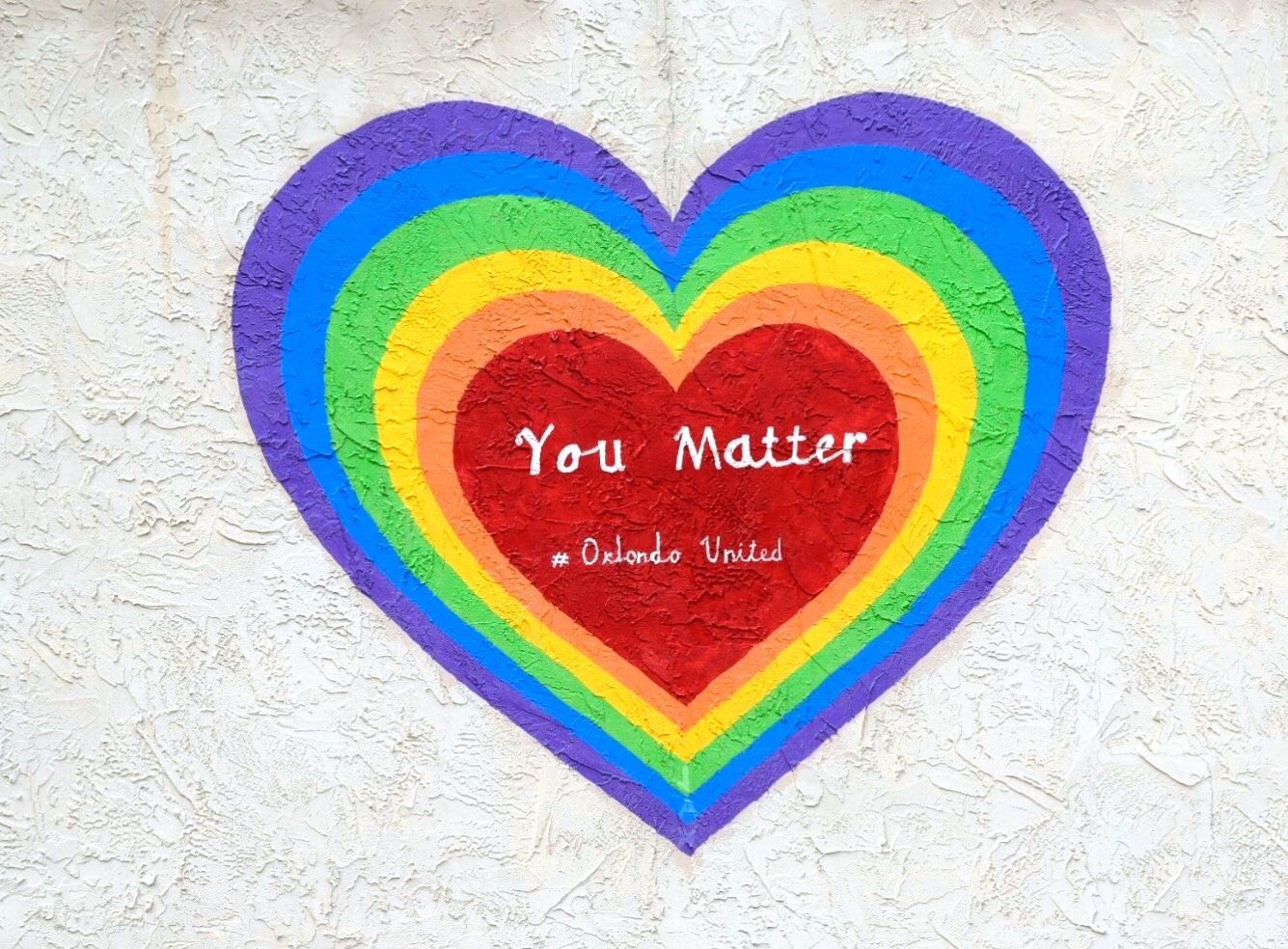
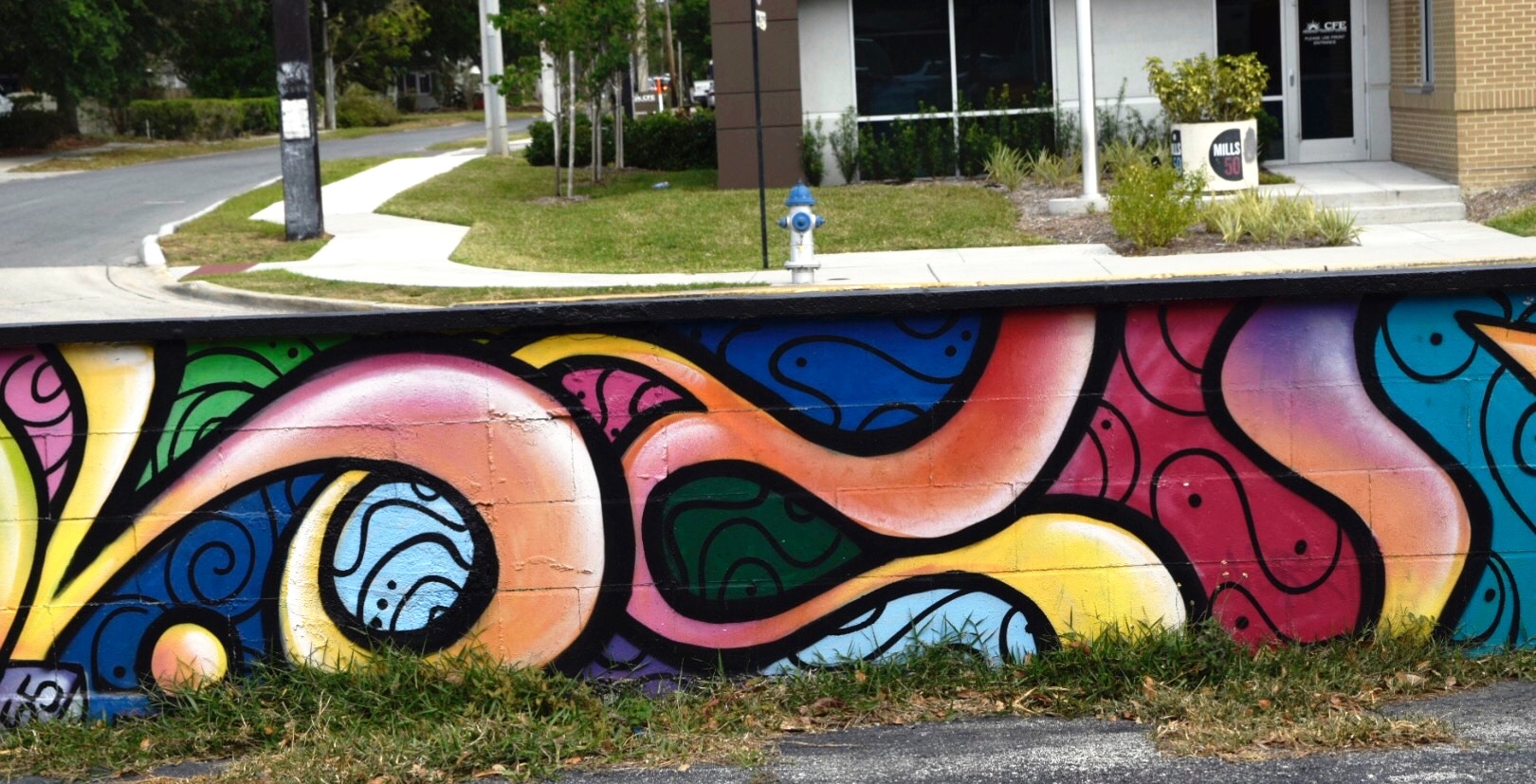
Art, in the words of Picasso, “washes away from the soul the dust of everyday life.” For Orlando, it was the balm that soothed its wounds from the horrific nightclub shooting. Orlando, as a city, collectively turned to art to heal the wounds of that horrible night and find a way forward. Lake Eola Park is a beautiful public space in downtown Orlando.  For the last year, the hatch shell has been painted in the colors of a rainbow to symbolize LGBTQ pride and #OrlandoStrong.

In Orlando, all around the ‘city beautiful,” there are new murals, graffiti, and even painted electric boxes – some memorializing the Pulse nightclub, others just there to add a little beauty to our day. Driving to school, stopping at red lights, being stuck in traffic, I have appreciated this art.  It has brought a smile to my face and reduced some of my morning tiredness – wouldn’t you smile if the Girl with a Pearl Earring smiled at you from a dumpster on your way to school every morning!!

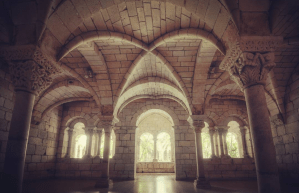
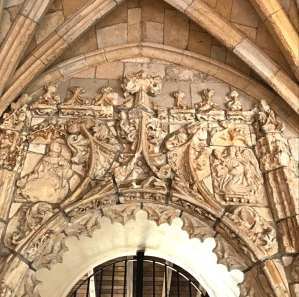
A Romanesque Monastery in Florida

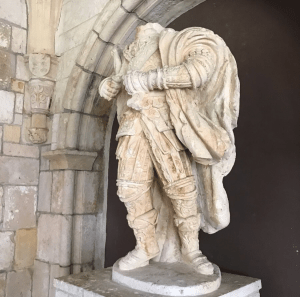
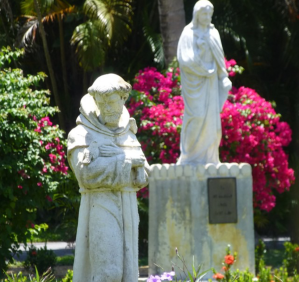
One would never expect to find a 900-year-old Romanesque monastery on the West Dixie Highway near Miami – but that is exactly what one would find on this secluded, not so easy to find, location – the monastery of Saint Bernard de Clairvaux.

The monastery was originally built in Sacramenia, Segovia in northern Spain in the 12th Century. When construction finished in 1141, it was dedicated to Mary, and was called “The Monastery of our Lady.” When Bernard of Clairvaux was canonized in 1174, the monastery was renamed in his honor. Bernard was a Cistercian monk, and the monastery was occupied by Cistercian monks for 700 years after that. In the 1830s, the cloisters were seized by the city for nonpayment of taxes and sold to a farmer who converted it into a granary and a stable.

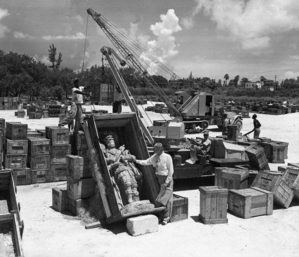
Another 100 years later, in 1925, publishing tycoon William Randolph Hearst illegally purchased the monastery, for a cost of $500,000 with the intention of rebuilding it on his estate in California. He had it deconstructed stone by stone and each stone was numbered and wrapped in hay – a total of 11,000 crates were shipped to the US. Only the original church remained in Sacramenia where it stands to this day.

Santa Maria la Real de Sacramenia

By the time it arrived in the US, there was a hoof-and-mouth disease in northern Spain, and the entire shipment was quarantined. Moreover, the hay was burned to prevent the spread of disease in the US. When removing the hay, the workers neglected to put the stones back in the numbered boxes, which ultimately caused a great deal of expense and confusion when the monastery was reassembled.

Hearst fell into financial difficulties, and the disassembled stones lay in a warehouse in Brooklyn for the next 26 years. After his death in 1952, the entire shipment was purchased by two Florida entrepreneurs W. Edgemon and R. Moss who had everything shipped to Miami. There, the monastery was painstakingly assembled – the entire process took 19 months, and because of the mismatching, several stones remained from which a parish hall was built. The monastery was sold a few times after that, until 1964 when philanthropist Colonel Robert Pentland, Jr. bought it and donated it to the Southern Florida parish of St. Bernard of Clairvaux.

On another continent, 1000s of miles away from its birthplace, a long journey after being disassembled, and then being assembled back like a jigsaw puzzle decades later – it is truly incredible that the monastery is back with the same Cistercian monk in whose honor it was named. (Images courtesy Sacramenia and Miami travel sites and spanishmonastery.com).

The Venice of Florida

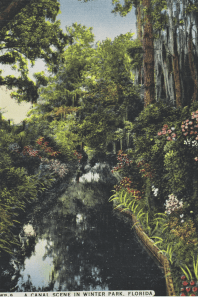
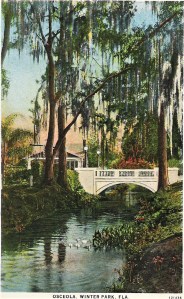
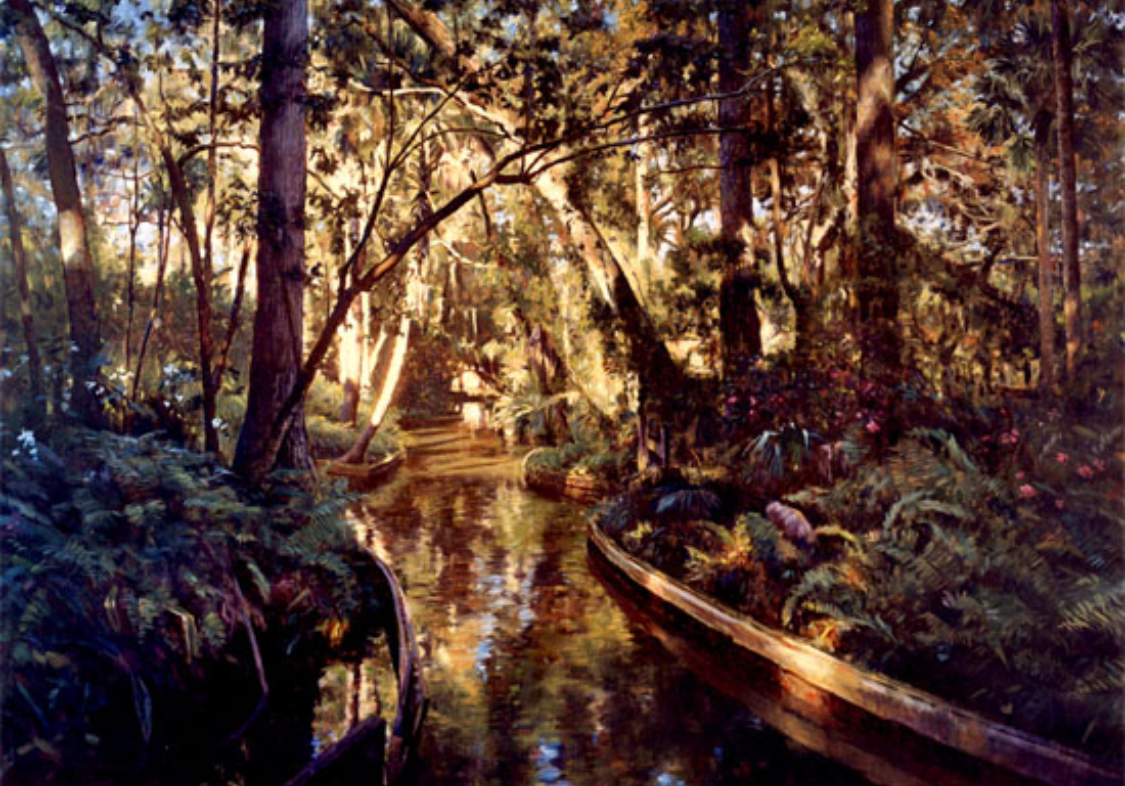
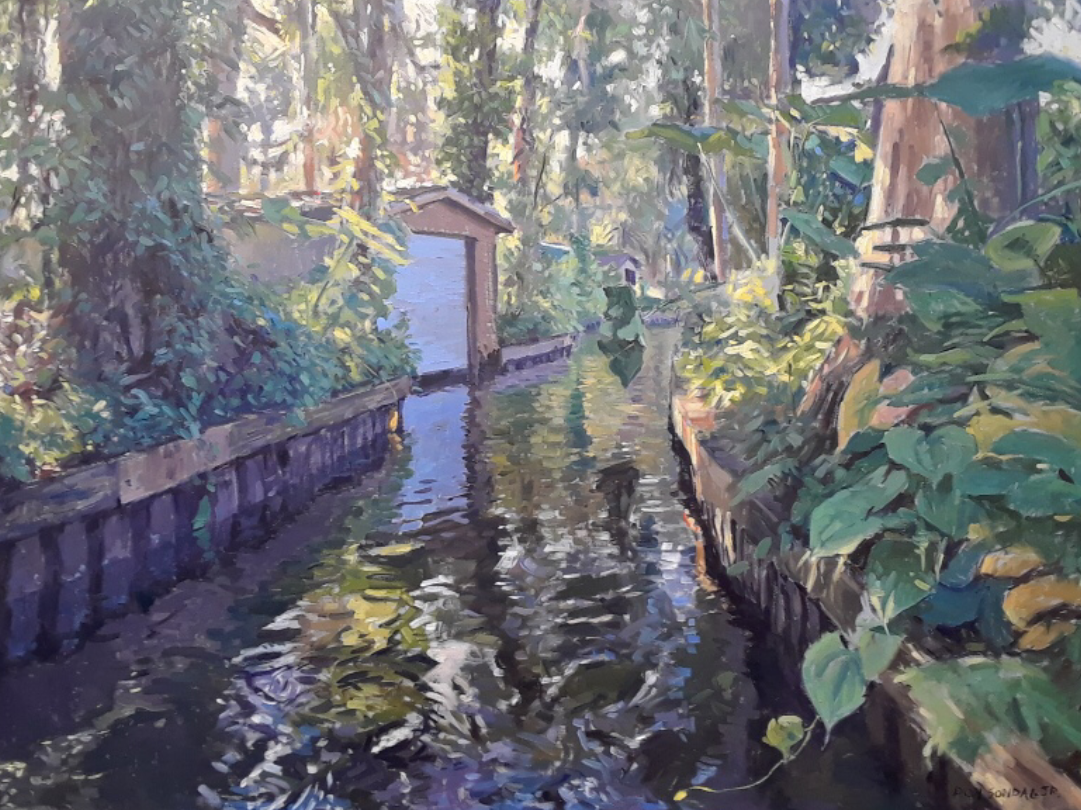
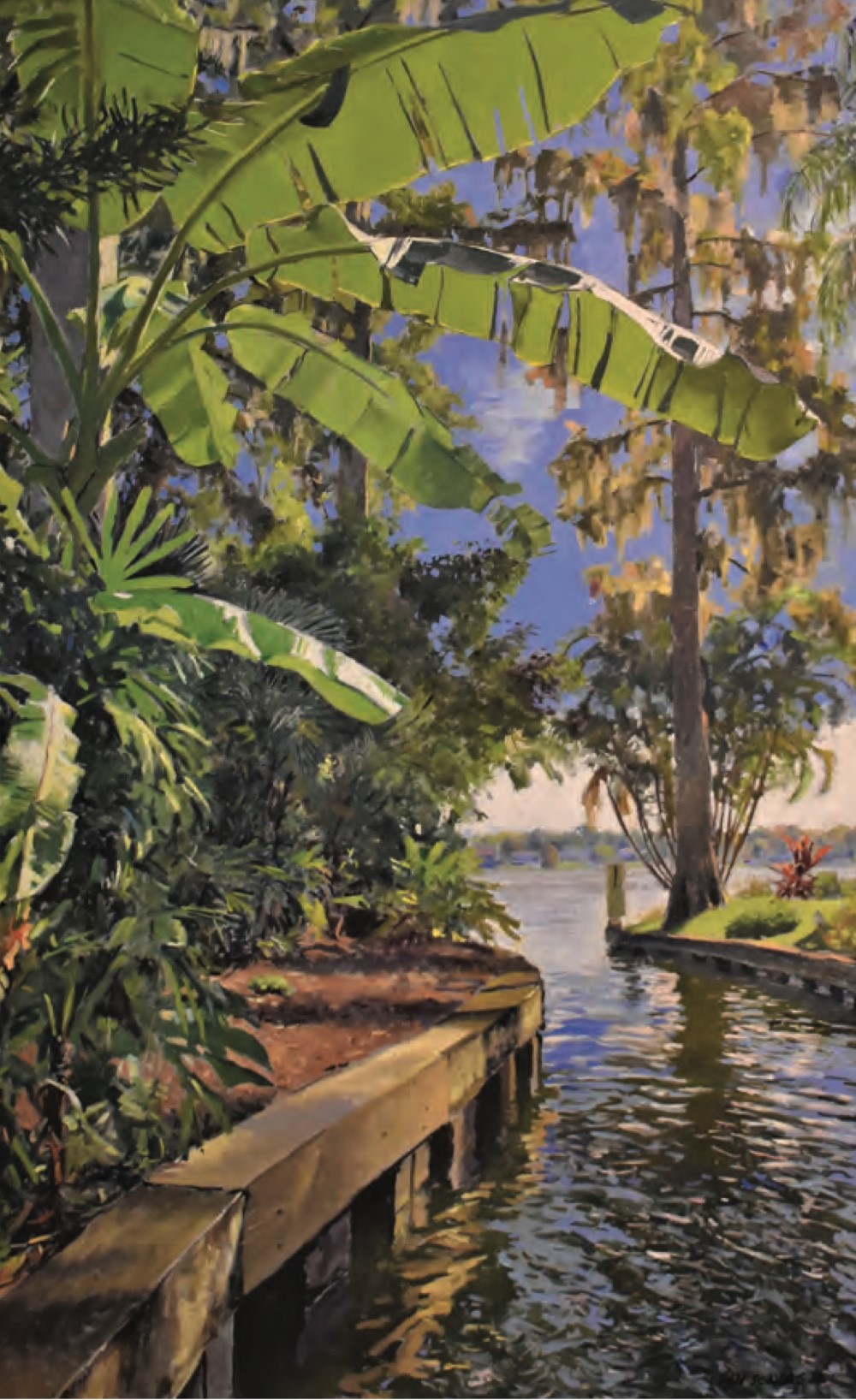
The town of Winter Park in Central Florida is truly a gem. One of its many highlights is a chain of lakes that are connected to each other with narrow canals – hence the honorary title – Venice of Florida. The canals were built by lumber companies in the late 1800s for the purpose of connecting the lakes so that logs cut from surrounding forests could float all the way to sawmills.

These days, one can float down the canal and feel miles away from the city. The canal is surrounded by tropical trees and offers glimpses of beautiful historic homes of Winter park. As one floats down the canal, there is a canopy of lush trees of all kinds that provide shade. There are ancient oaks and cypress trees laden heavy with Spanish moss.

Artist Don Sondag grew up in Winter Park and loves these canals which he paints frequently.

(Images Courtesy Winter Park Magazine).

Orlando, As You Like It

Like many other towns in Florida, Orlando too grew around a fort called Fort Gatlin. These forts were built to protect the settlers from the Seminole tribes. Many towns still go by the name of the fort, such as Fort Lauderdale, Fort Myers.

Orlando was originally called Jernigan

Orlando was originally called Jernigan but changed its name to Orlando in 1857. Many theories abound as to the origins of the name. One theory states that Orlando was named after a soldier, Orlando Reeves, who was killed by the Seminole tribes in 1835 while he was defending Fort Gatlin. Another theory states the soldier’s name was Orlando Jennings, not Orlando Reeves, while another disputes these theories stating no soldier by the name of Orlando was killed during the Seminole Indian wars.

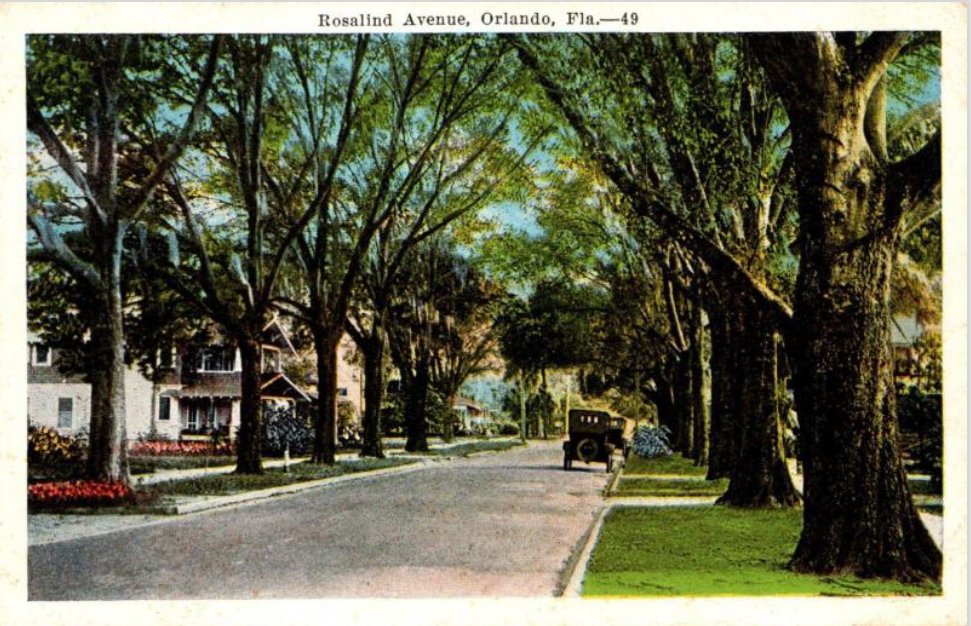
Another theory states that a J.G. Speer relocated to Jernigan from South Carolina and started reorganizing Orange County. During the process he came up with the name Orlando after the character in Shakespeare’s “As You Like It.” Interestingly one of the main streets in downtown Orlando is called Rosalind who was Orlando’s lover in the play.

Rosalind Street, Orlando

I like to believe that perhaps Mr. Speer did name Orlando because another area in downtown Orlando is called Ivanhoe Village – maybe he liked English literature and named this street after Sir Walter Scott’s 1819 book.  Another neighborhood is called Lorna Doone – could this be named after R.D. Blackmore’s 1869 book? There’s also a Lake Sherwood – perhaps named after the Robin Hood’s Sherwood Forest.

I love the idea of all these names and characters from British Literature naming Orlando and its neighborhoods!!

(Images Courtesy Orlando Travel Sites & Birmingham Museum).

An Ode to A City

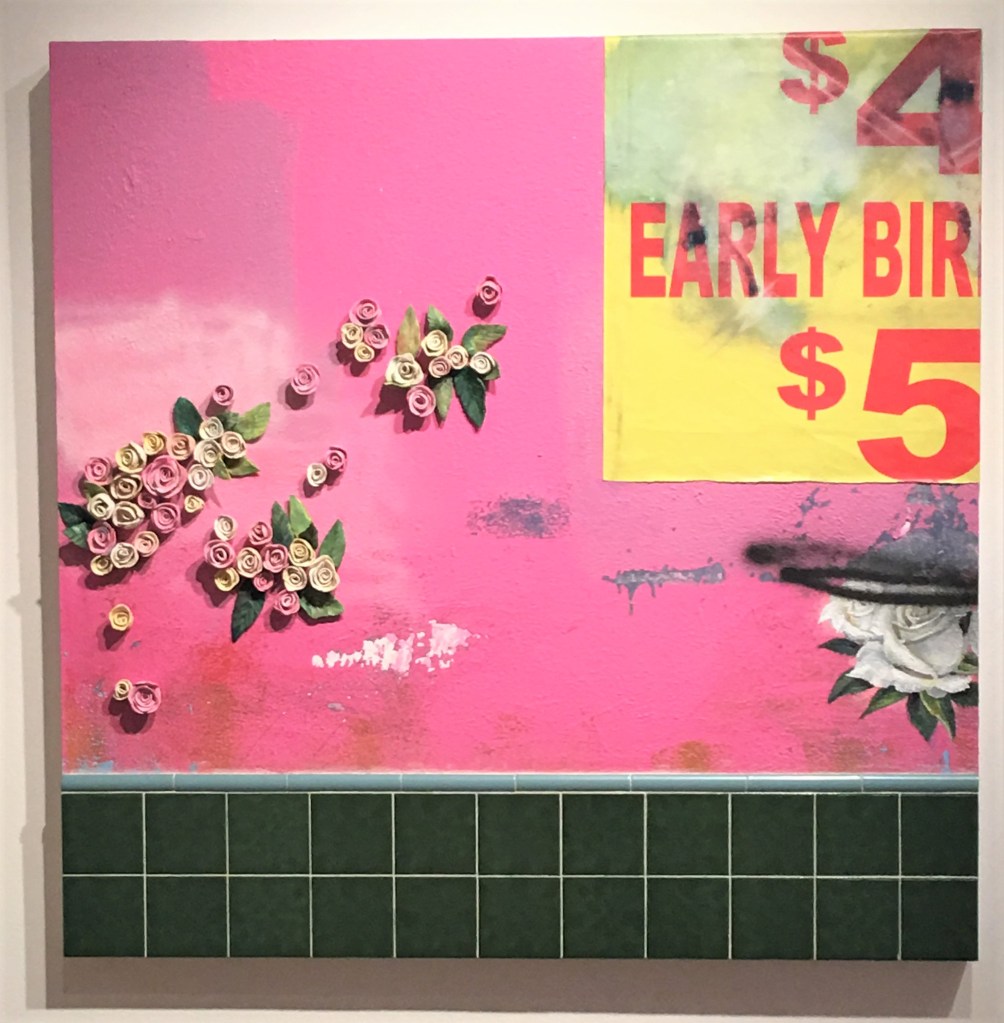
Patrick Martinez was born and raised in Los Angeles, with a multicultural heritage – he is Filipino, Mexican, and Native American. This gives him a unique persepective and outlook – something that he has translated into his artwork – all of which show that his figers are firmly placed on the pulse of his city and the nation.

He captures the essence of the city and its forgotten nooks and crannies – neon signs from convenience stores, bakeries, and barber shops that tell desparate stories, funeral wreaths for sale on street corners, a shocking pink bogainviilea peeking out from over a fence – all these show up in his mixed media work – and convey messages about forgotten streets and overlooked people.

Martinez has taken very ordinary neon light signs seen in local shops and bars and turned them into meaningful works of art.  In one, the neon sign reads, references German (anti-Nazi) pastor Martin Niemoller’s  (1892 – 1984) well known quote: First they came for the socialists, and I did not speak out Because I was not a Socialist. Then they came for the Trade Unionists, and I did not speak out Because I was not a Trade Unionist. Then they came for the Jews, and I did not speak out Because I was not a Jew. Then they came for me and there was no one left to speak for me.

Live Aid – Pre-tech live Streaming

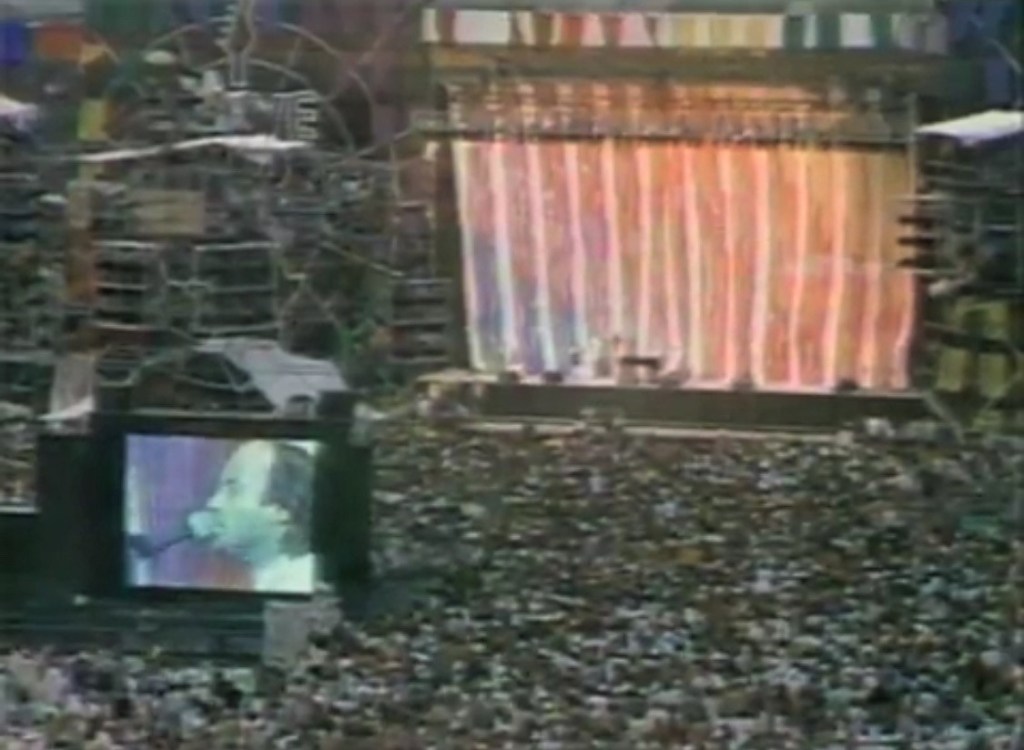
In 1985, 1.9 billion people across the globe watched Live Aid being broadcast simultaneously from two continents across the Atlantic Ocean.  Think about that for one second – it happened before there was the internet, before there was email, and before cell phones. 

This “live streaming” was done by satellites to television screens.   It may not be too much of a stretch that with Live Aid Bob Geldof started a revolution in the global telecommunication structure. In a matter of weeks Live Aid and Bob Geldof pulled together international television downlinks in multiple countries; navigated broadcast rules, treaties and legal agreements; and turned the three big broadcasets ABC, CBS, and NBC temporarily from competitors into collaborators.

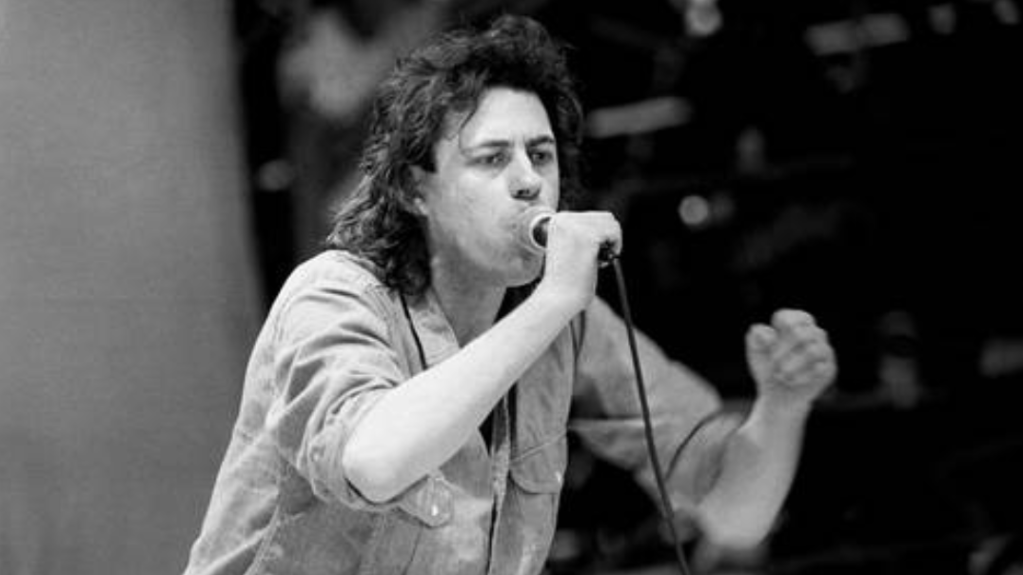
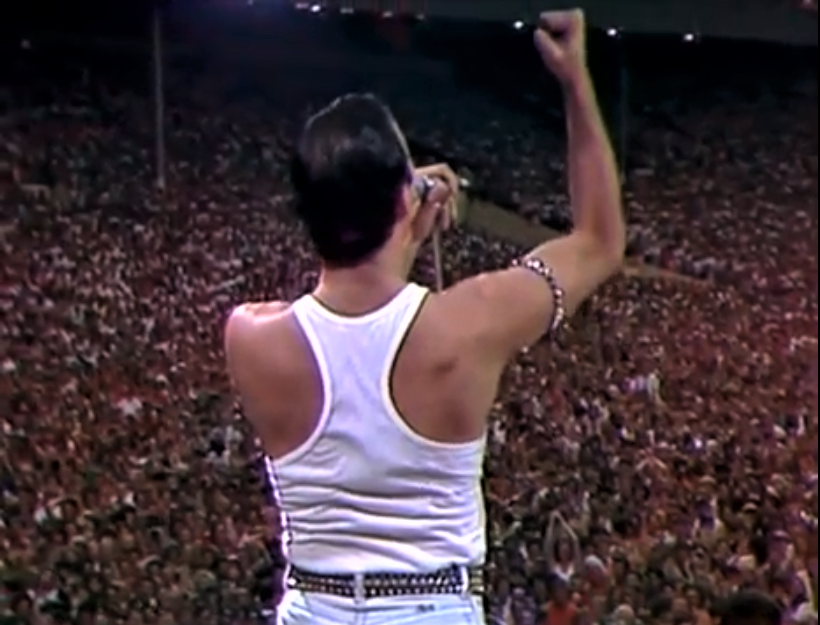
Bob Geldof of the Boomtown Rats performig in Wembley Stadium

“Live Aid was a turning point in the global competitive and regulatory telecommunications infrastructure we see today. It brought new forces into the relationships between broadcast property owners and the rapidly evolving technological playing field. Geldof made that happen. Thanks to Geldof and the musical champions of Mandela’s cause, a fractured broadcast industry was brought together and able to beam messages of hope and freedom.” Carrington Davis, Wharton Magazine, December 12, 2013

Live-Aid – Impact on Philanthropy

On October 23, 1984 Bob Geldof saw a BBC report about a famine in Africa.  Little did he know that the report would not only change his life forever but that his response would leave an astounding legacy that would impact an untold number of lives in Africa, forever changed the face of philanthropy, and be the spring board to bring television and global telecommunication technology into the 21st Century. 

In 1985, Live Aid embodied the purest of motives: a desire to help and a belief that each one of us can make a difference. There was both a touching innocence and an electrifying energy about that hot summer July day. Live Aid was the first to harness the powers of mass media and peer-to-peer persuasion to bring the world together around a targeted cause – and in the process it started  the trend of high-profile, celebrity-endorsed charitable efforts, and changed the face of philanthropy forever. It also started the Millennial trend on devoting time to a cause instead of simply donating to charity.

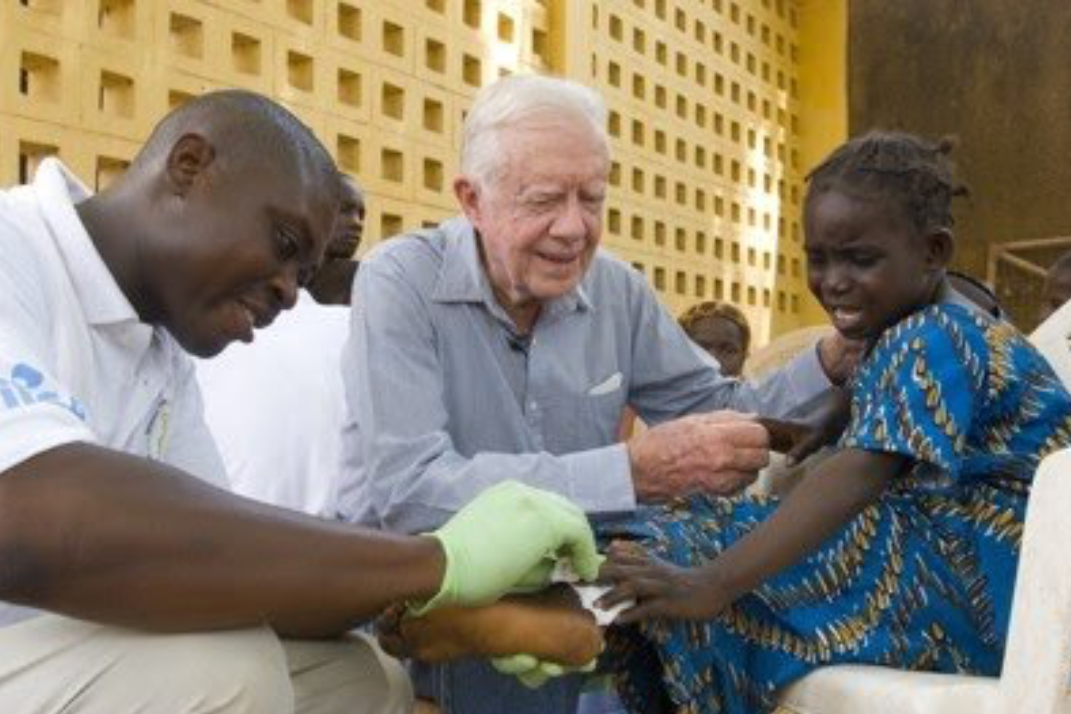
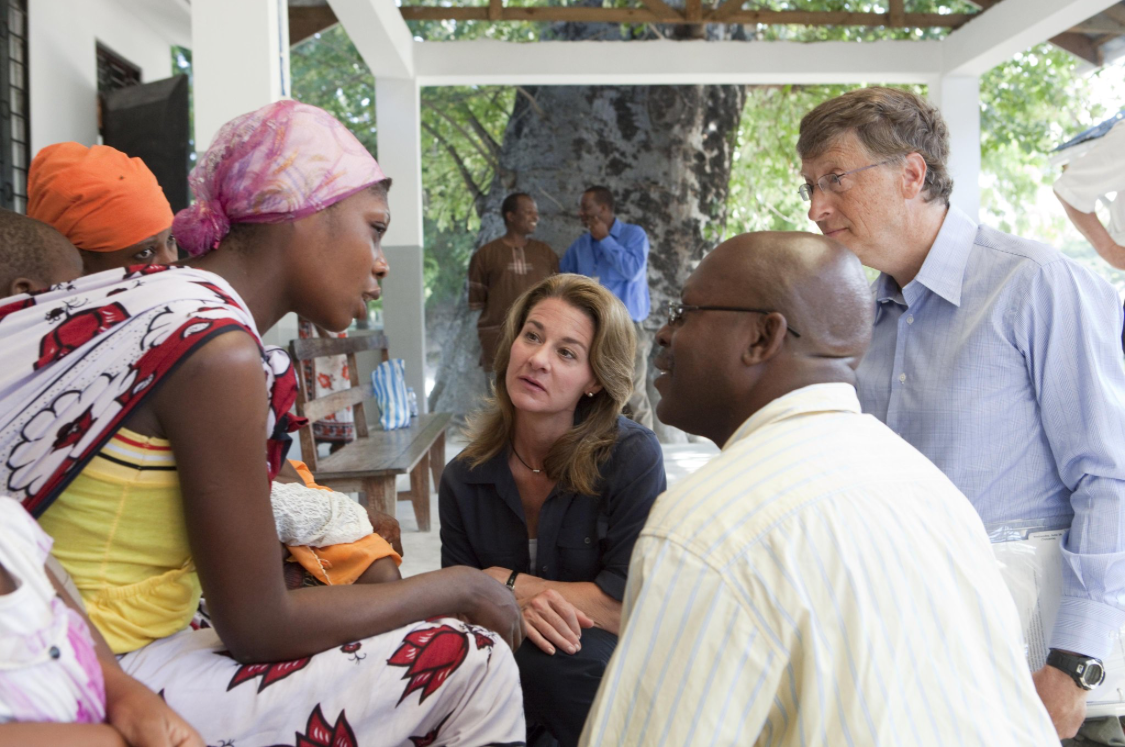
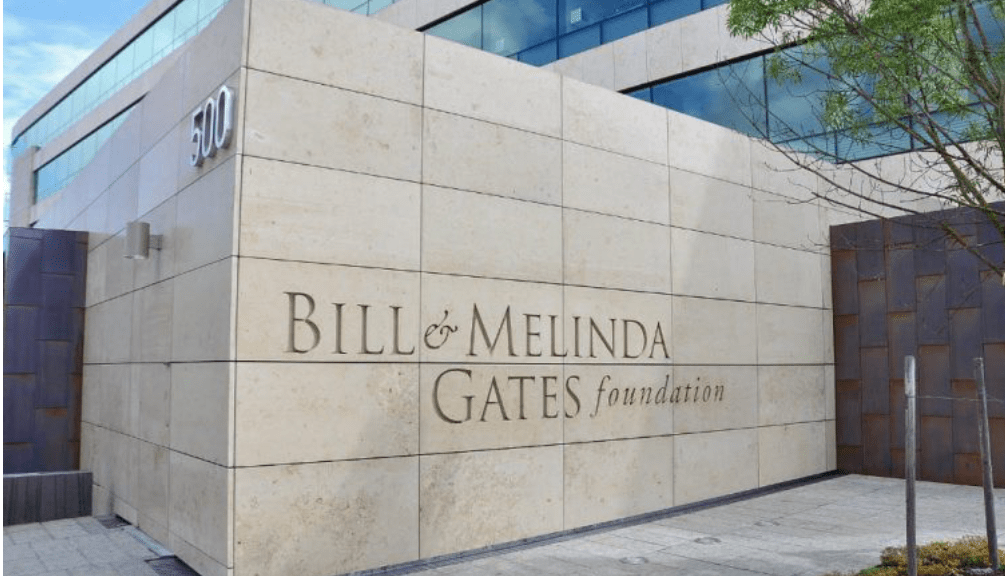
In her July 13, 2015 article in The Atlantic Kristie York Wooten sums up the impact brilliantly with, “If Live Aid had never happened, would Richard Branson have swum with Desmond Tutu while discussing world peace? Would Ted Turner have funded mosquito net initiatives, or Bill and Melinda Gates committed their wealth to provide vaccinations and contraceptives, or Jimmy Carter spent his post-presidency trying to eradicate tropical diseases in countries like Nigeria? Would George W. Bush have enacted PEPFAR (the President’s Emergency Plan for AIDS Relief), a massive government initiative to fight AIDS/HIV around the world? Would David Cameron have devoted unprecedented amounts of money to the UK’s foreign assistance budget? It’s also easy to question whether the African schools, water wells and AIDS-awareness campaigns of Oprah, Brad Pitt, Matt Damon, Will.i.am, Annie Lennox, and Alicia Keys would exist today if Live Aid hadn’t set the precedent for celebrity focus on the continent.”

“What really happened at the concert is that a new generation was born, a generation meant to be aware of what’s going on around us.” Elizabeth McLaughlin was 23 when she attended the London show

13th July 1985 – the day Rock & Roll changed the world

The point of the record had been to raise money but, more important, to raise issues and make a gesture.  After my trip to Africa, that issue had to be writ larger.” Bob Geldof, Is That It.  

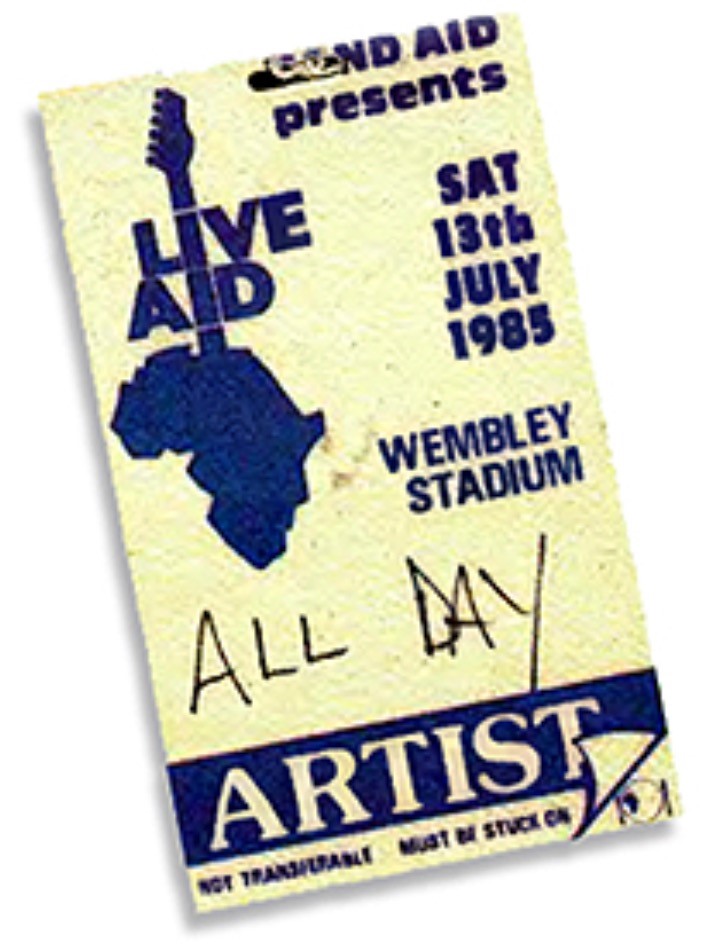
Live Aid Artist Pass – from U2’s Website

Bob Geldof came back from Africa determined to do more.  He realized that while it was an incredible start, Band Aid’s £8 million was nothing in comparison to the scale of devastation he had witnessed in Africa. 

“The idea is we start at noon here, go on until 5 p.m.  Then we join with America on a live two-way satellite relay.  We have five hours of relay, back and forth every other act, and then at 10 p.m. we hand over to America and they run for five hours.  At the same time we broadcast constant appeal and give people phone numbers pledging donations with credit cards.”Bob Geldof pitching his idea to Harvey Goldsmith, Britain’s leading pop promoter at that time, Is that It.

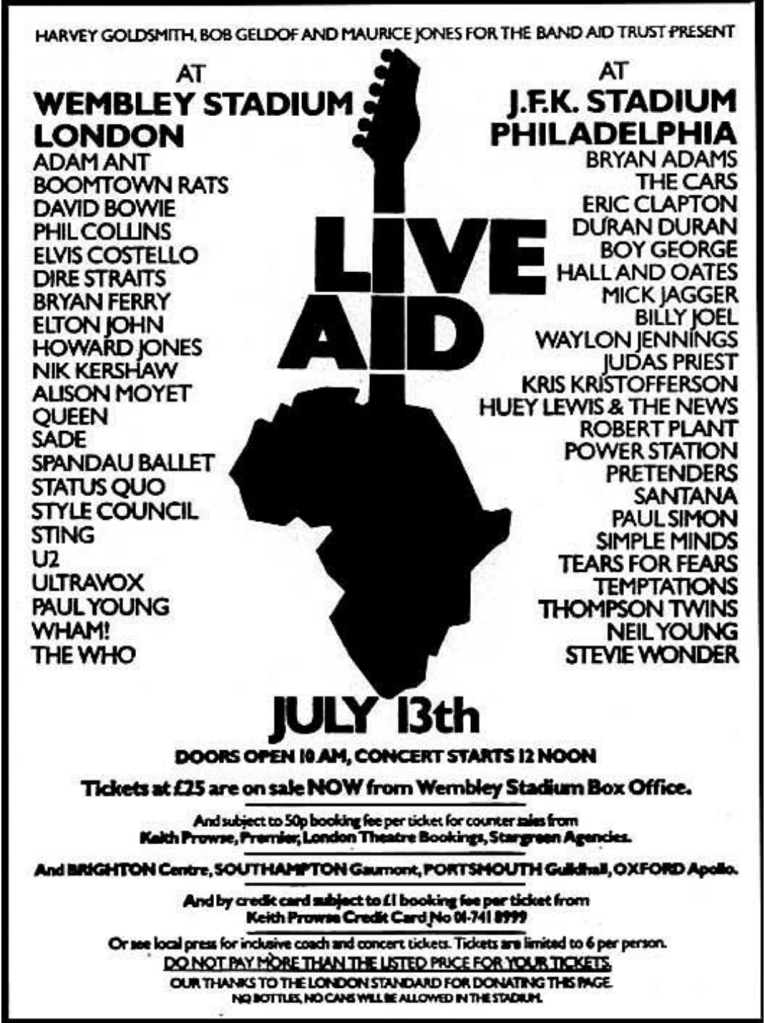
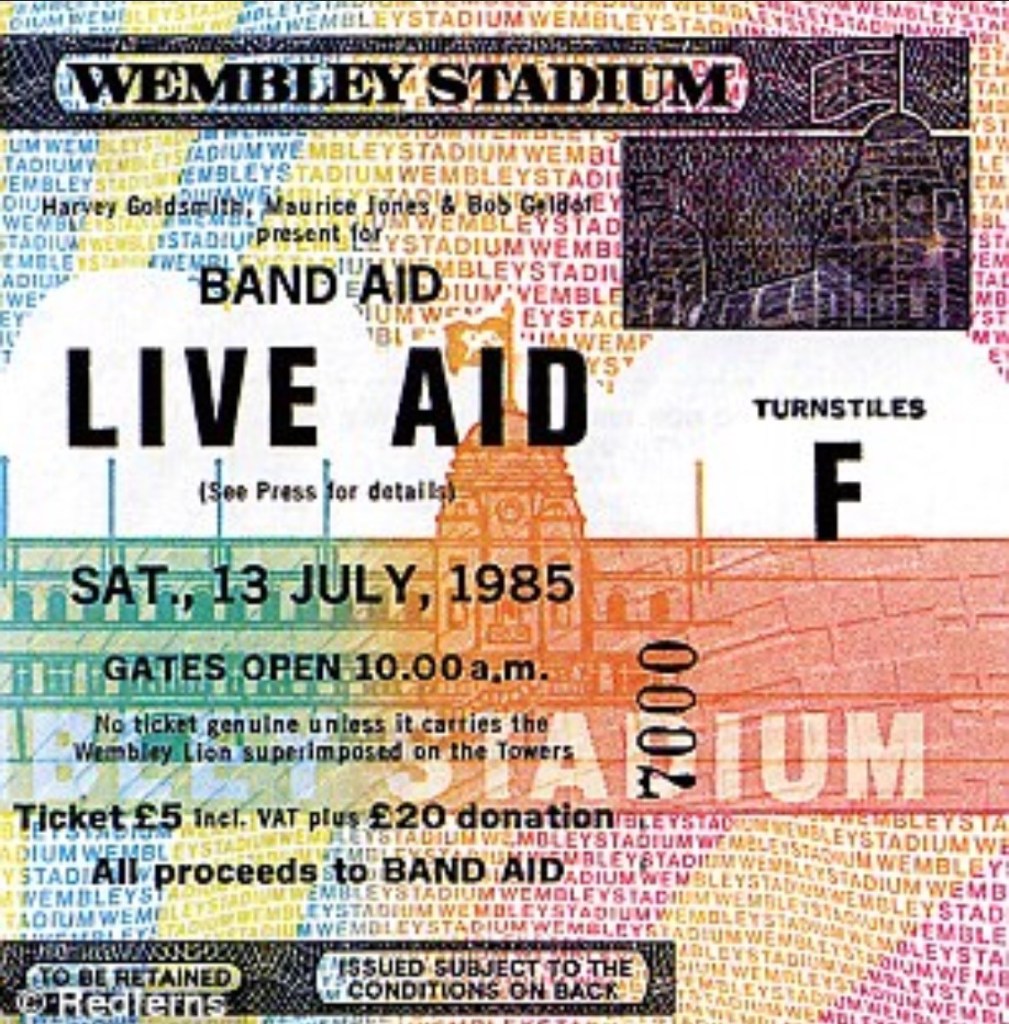
Wembley Stadium Ticket

The result, a mere 5 months later, was Live Aid –the world’s first trans-Atlantic 17 hour long charity concert performed live in Philadelphia and London on July 13, 1985.

JFK Stadium Ticket

More than 75 of Rock and Roll’s biggest names including Elton John, Madonna, Santana, Run DMC, Sade, Sting, Bryan Adams, the Beach Boys, Mick Jagger, David Bowie, Queen, Duran Duran, U2, the Who, Tom Petty, Neil Young, and Eric Clapton performed – some at the Wembley Stadium in London, where a crowd of 70,000 turned out, others at Philadelphia’s JFK Stadium, where a crowd of 100,000 watched.

Thirteen satellites beamed a live television broadcast of the event to more than one billion viewers in 110 countries. More than 40 of these nations held telethons for African famine relief during the broadcast, with live pleas from world leaders like Bishop Desmond Tutu, Coretta Scott King, Jihan Sadat and Rajiv Gandhi.

Phil Collins’ performed in Wembley, took the Concorde to Philadelphia where he performed later the same day.

“By midmorning the American Telephone and Telegraph Company reported that a toll-free telephone line set up to receive pledges was overloaded. The lines remained jammed for much of the day. The 1,126 circuits, staffed by 900 volunteers got more traffic than they could handle.” Jim Byrnes, A.T.&T spokesperson.

(Images c0urtesy YouTube & U2’s website).