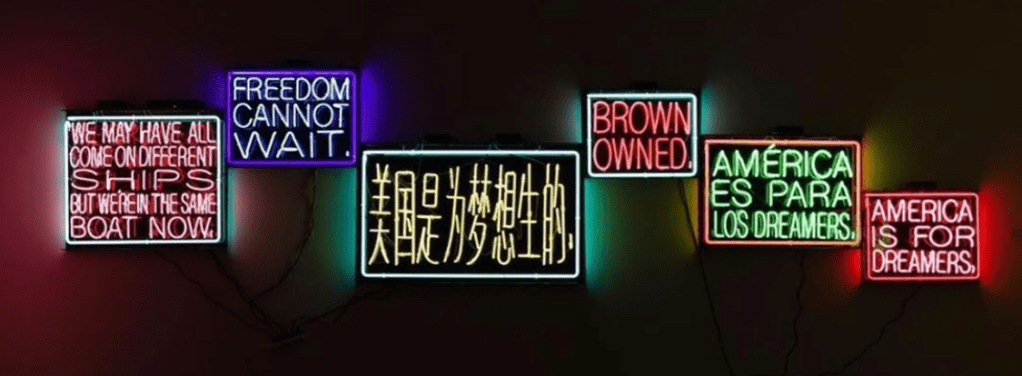
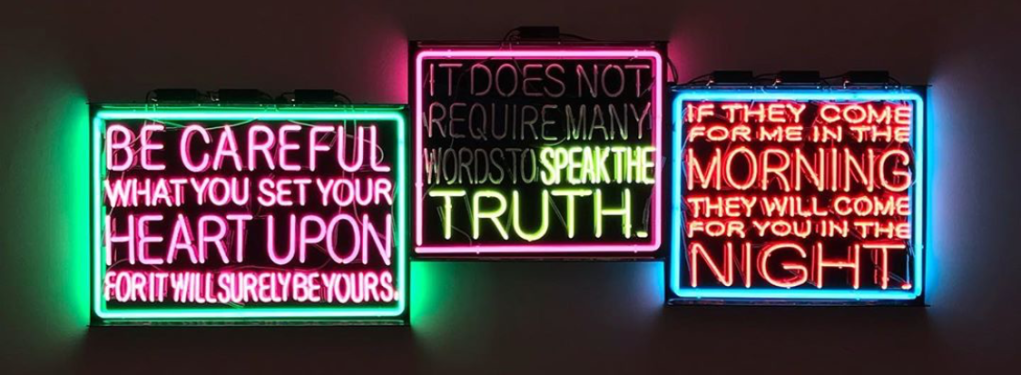
Artist Patrick Martinez can say more with Neon than most of us can with books and essays.


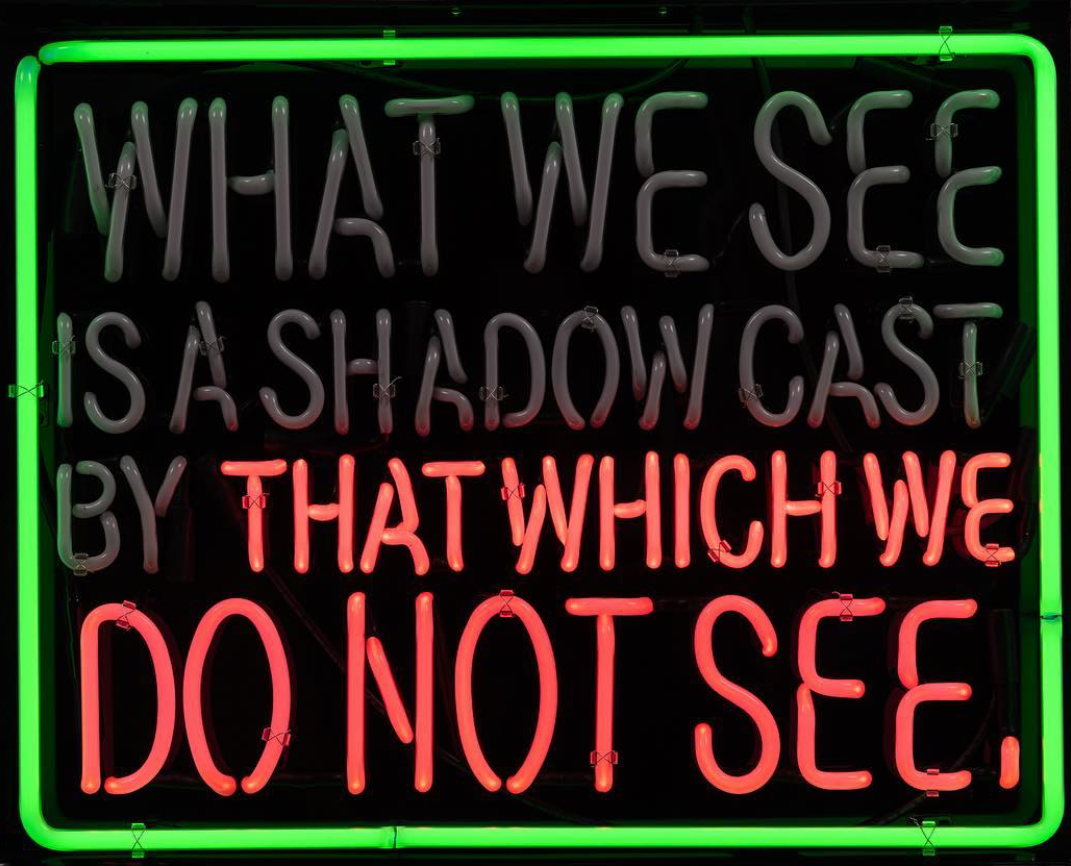

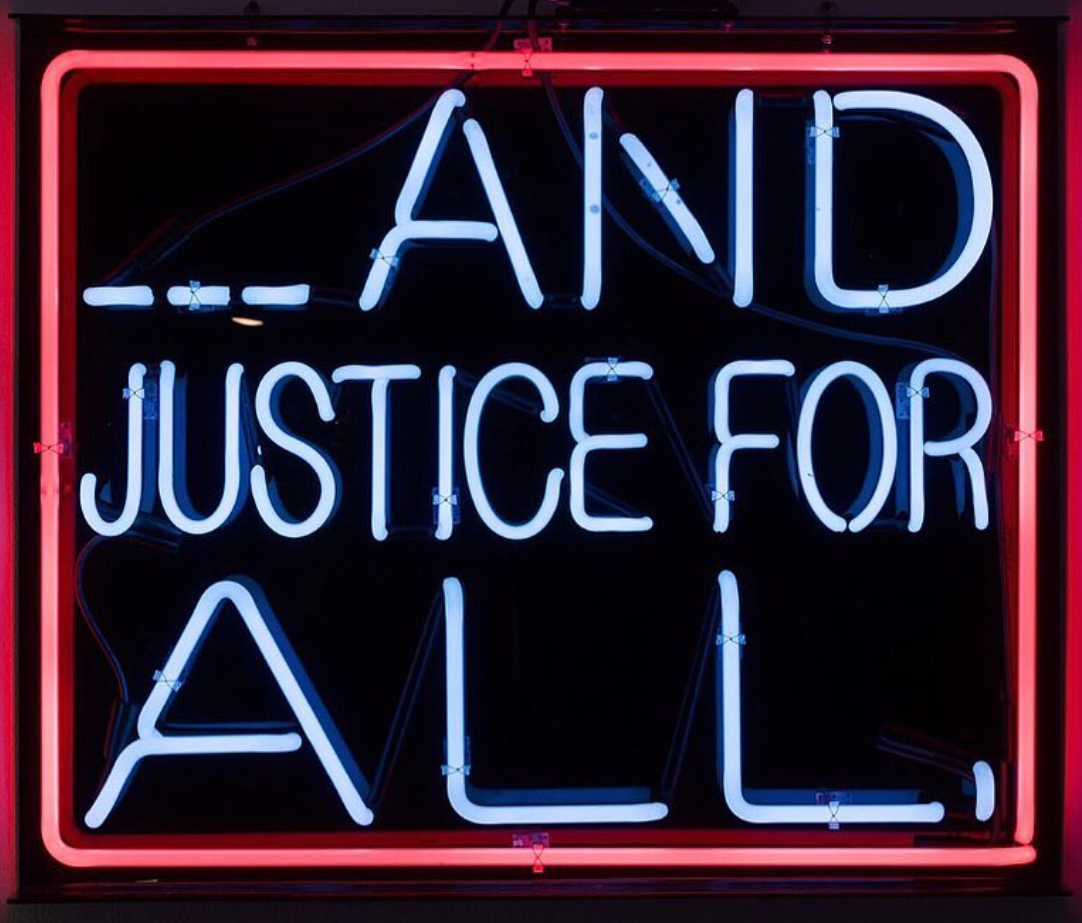

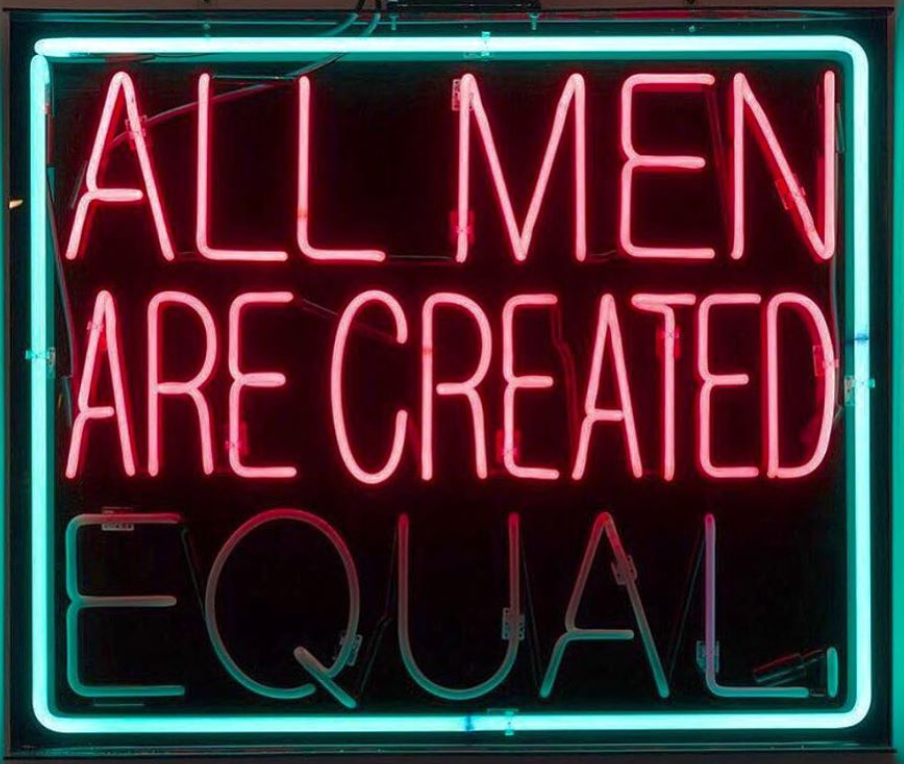



(All images courtesy Patrick Martinez’s Instagram)
Artist Patrick Martinez can say more with Neon than most of us can with books and essays.
(All images courtesy Patrick Martinez’s Instagram)
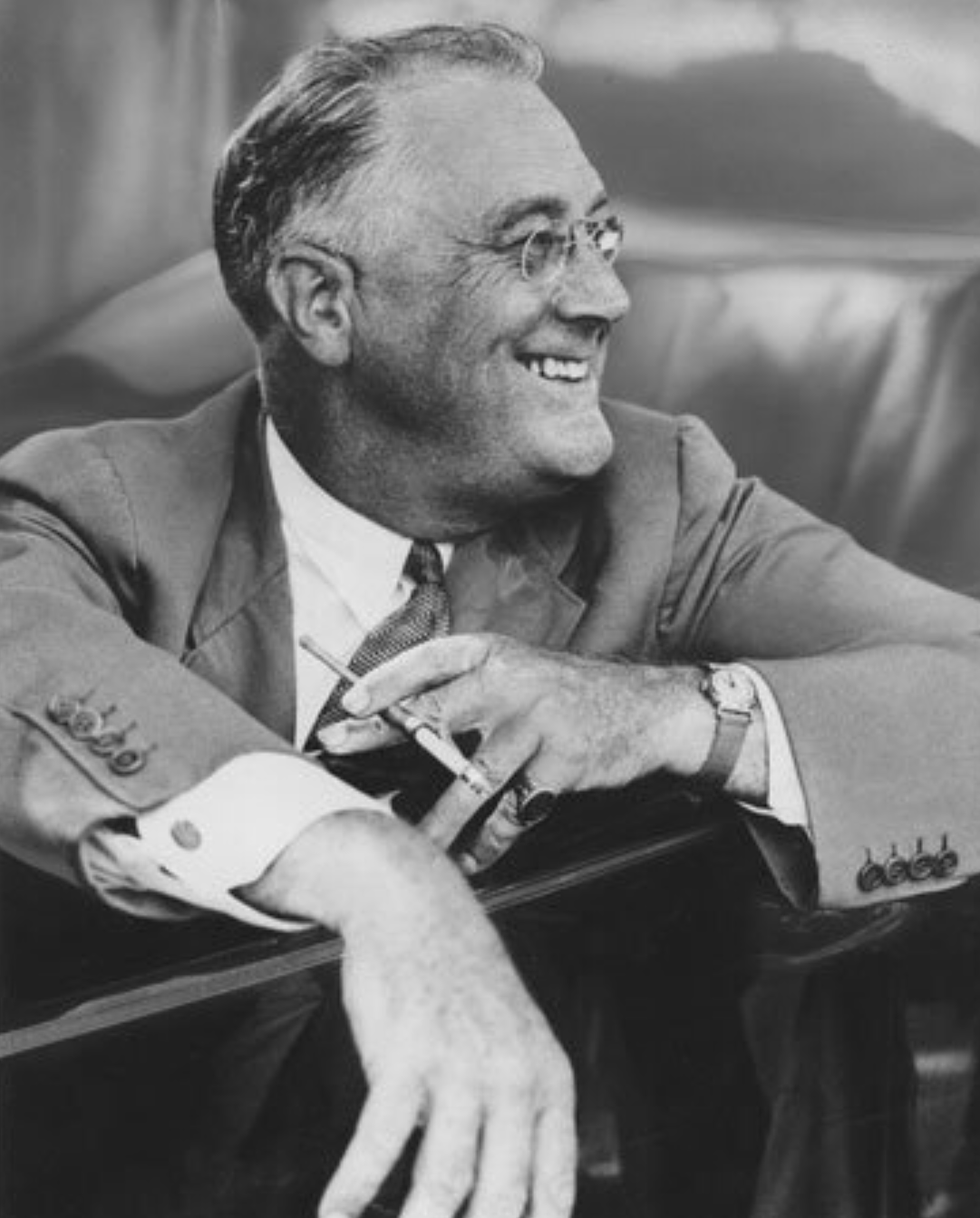

On January 6, 1941, with an eye towards the London blitz and German air raids, President Franklin Roosevelt gave a powerful speech in which he articulated his vision for a postwar world founded on four basic human freedoms. The speech was to encourage America to end its isolationism policy and join World War II. Norman Rockwell (1894-1978) was inspired by these words and visualized these freedoms in his own unique small-town neighborly way.
“In the future days, which we seek to make secure, we look forward to a world founded upon four essential human freedoms. “
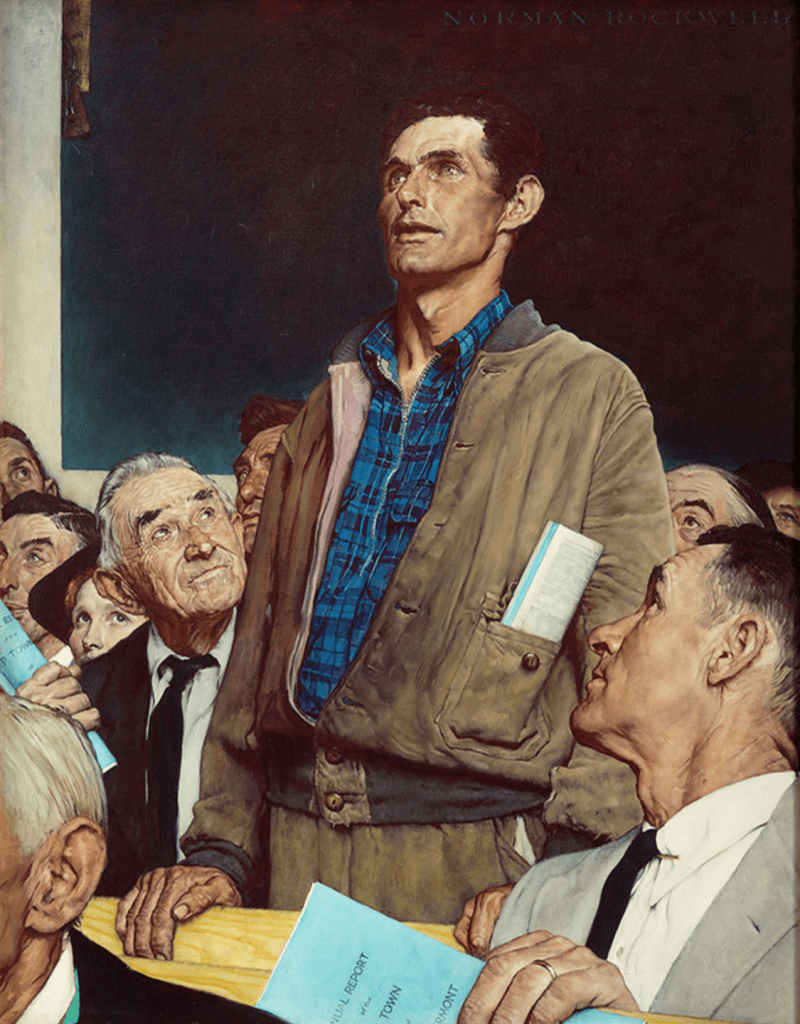
“The first is freedom of speech and expression–everywhere in the world.”
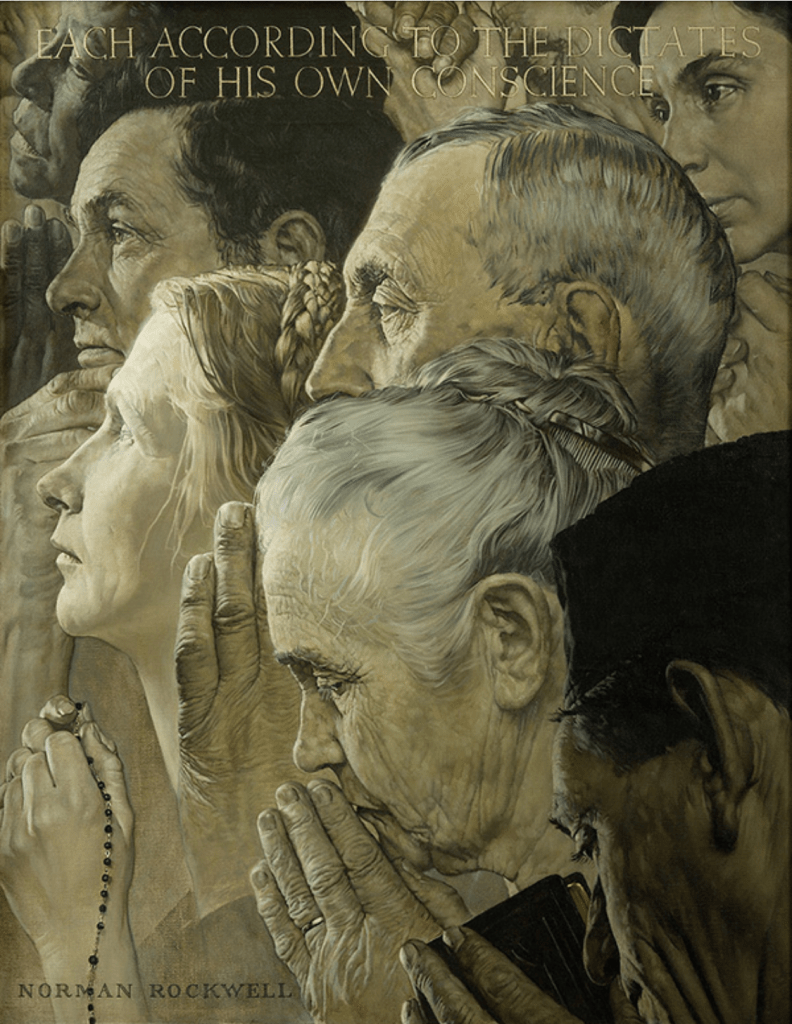
“The second is freedom of every person to worship God in his own way–everywhere in the world.”
“The third is freedom from want–which, translated into world terms, means economic understandings which will secure to every nation a healthy peacetime life for its inhabitants-everywhere in the world.”

“The fourth is freedom from fear–which, translated into world terms, means a world-wide reduction of armaments to such a point and in such a thorough fashion that no nation will be in a position to commit an act of physical aggression against any neighbor–anywhere in the world.”
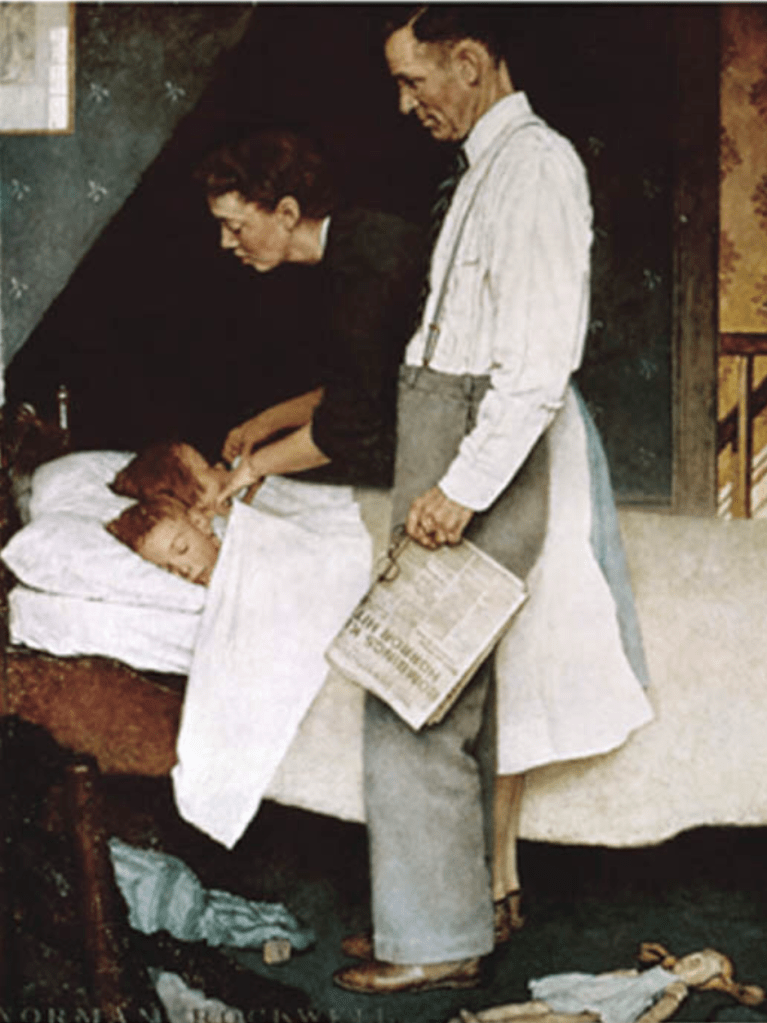
Two much loved, admired, and respected Americans – what an enduring legacy they have left for us to reflect upon.

The phrase beautifully describes how leaders in ancient Rome placated the masses with free food and entertainment – with these two things in plentiful, politicians managed to keep an overpopulated, hungry, and often angry citizenry pacified and unquestioning.

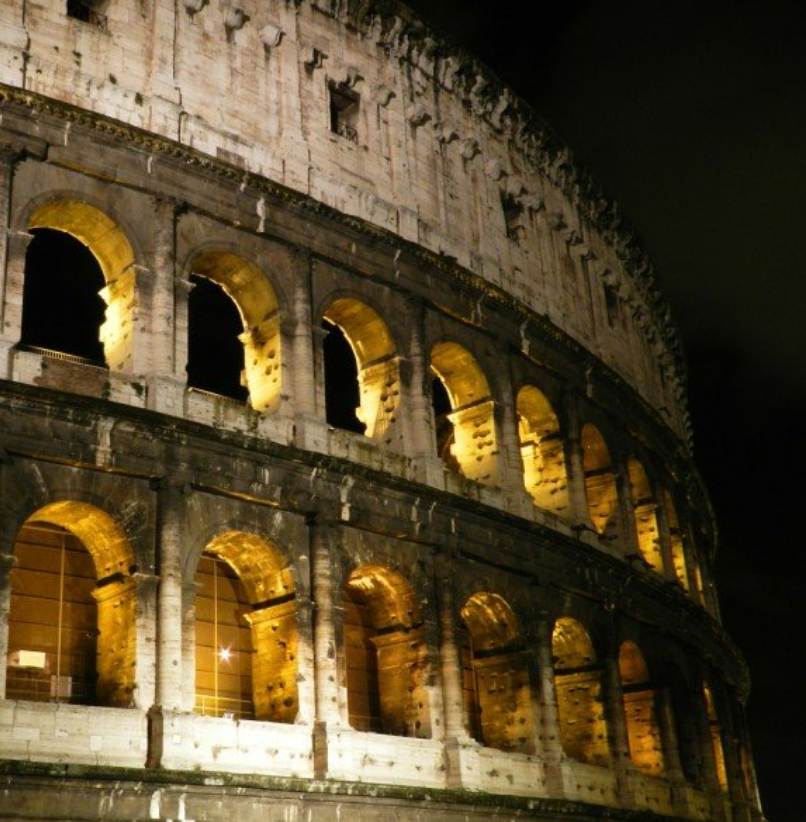
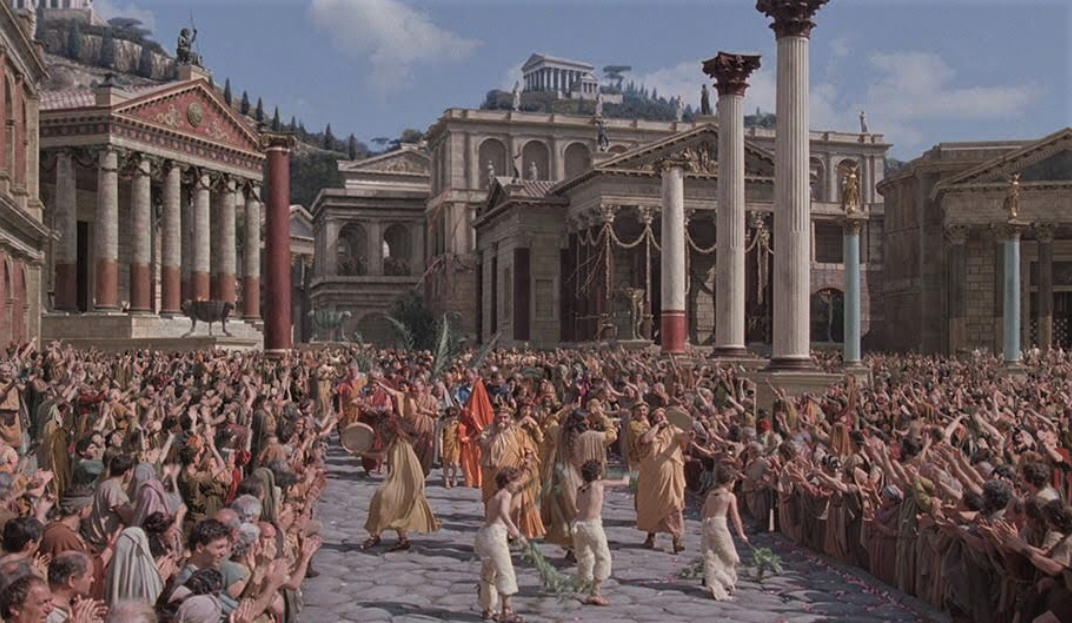
Bread and Circus was not provided for the benefit of the citizens or their overall well-being – rather it was a pragmatic solution to keep politicians in power. A well fed, well entertained population is unlikely to become a revolutionary force of any kind!!
2nd Century Roman poet and satirist Decimus Iunius Iuvenalis (known as Juvenal in English) wrote this phrase in Satira X:
Nam qui dabat olim
Imperium, fasces, legions, omnia, nunc se
Continet, atque duas tantum res anxius optat,
Panem et circenses
      For that sovereign people that once gave away
Military command, consulships, legions, and every thing,
  Now bridles its desires, and limits its anxious longings to two things only
bread and circuses
Here are some other gems that this little-known Roman satire genius wrote :
Orandum es tut sit mens sana incopore sano
Rather than for wealth, power or children, men should pray for a sound mind in a sound body

Rara avis in terries nigroque simillima cycno
A truly good person is a rare bird (like a black swan)

Quis custodiet Ipsos custode
Who will guard the guards?


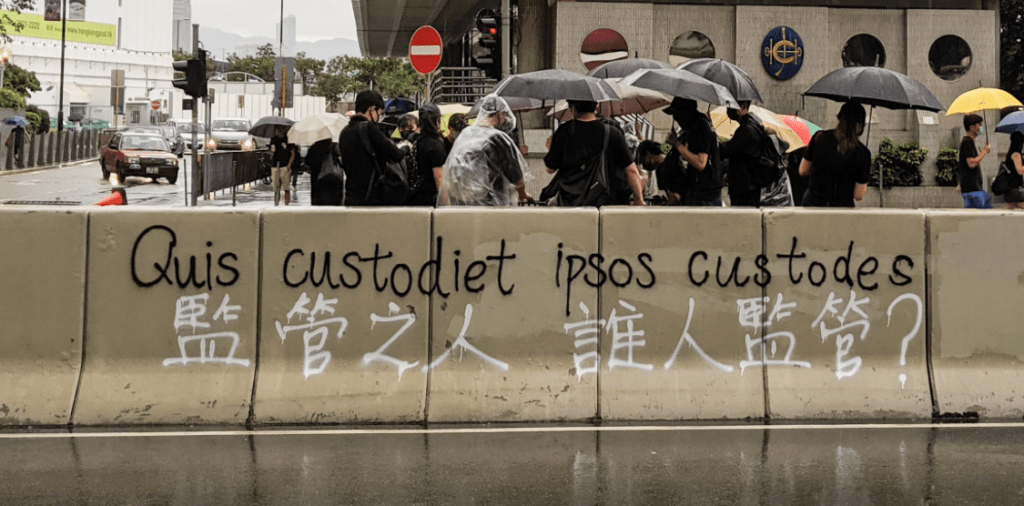

Interesting how sometimes things stay relevant for centuries.

In segregated 1950 and 60s, African-American artists were few and far between – they had very little chance of getting a formal art education, and an even lesser chance of being shown in a gallery. It was this very lack of opportunity which gave rise to a unique painting style and an art collective which came to be known as the Florida Highwaymen.

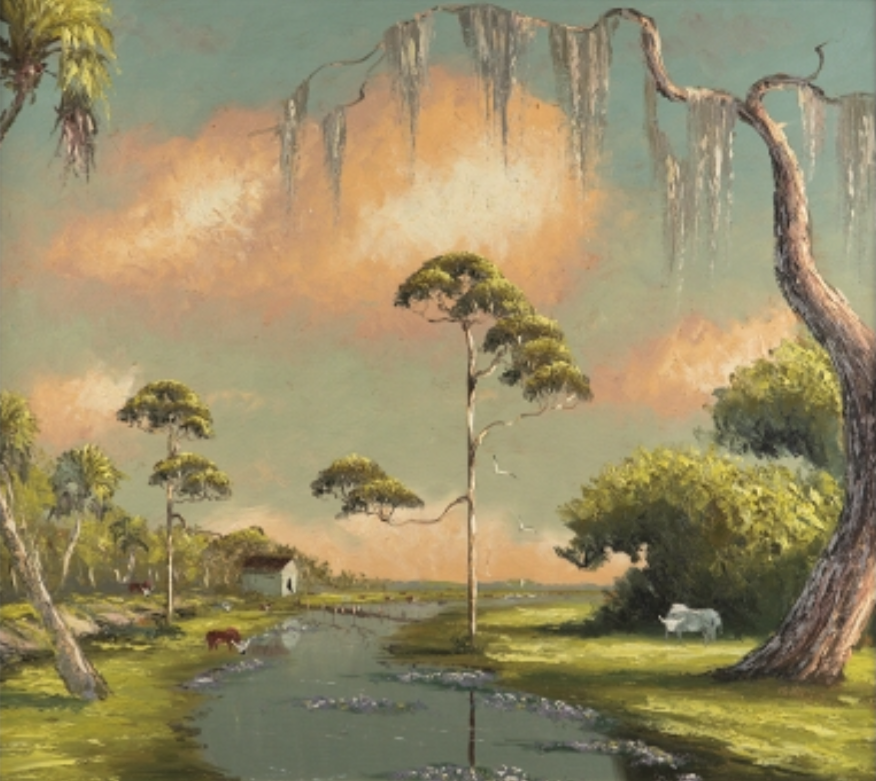
The self-taught Highwaymen worked in the Fort Pierce and Vero Beach regions of Florida and painted the diverse and vibrant ecology of the region in their own distinct style. They painted fiery red sunsets, banyan trees laden with Spanish moss, beaches, marshes, aquamarine waters, stunning palms and poinciana tress, birds in flight– all in dazzling colors, and got their name by selling these works to tourists driving along Florida’s Atlantic Coast.
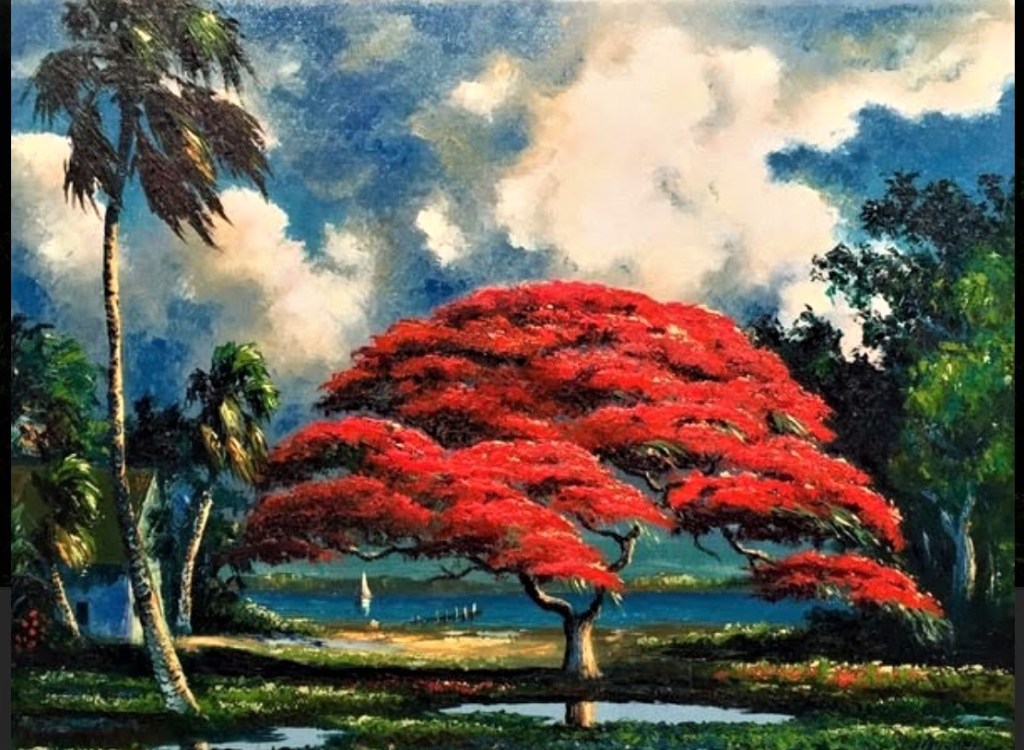
The Highwaymen had 26 artists, with the two leaders being Alfred Hair and Harold Newton. They produced large quantities of art which they sold inexpensively to day trippers and tourists. Producing large quantities of art using an assembly line method led to a distinct painting style which included quick impressionistic style brushstrokes. Despite the assembly style method of painting the same subject, the artists added unique details to each work.


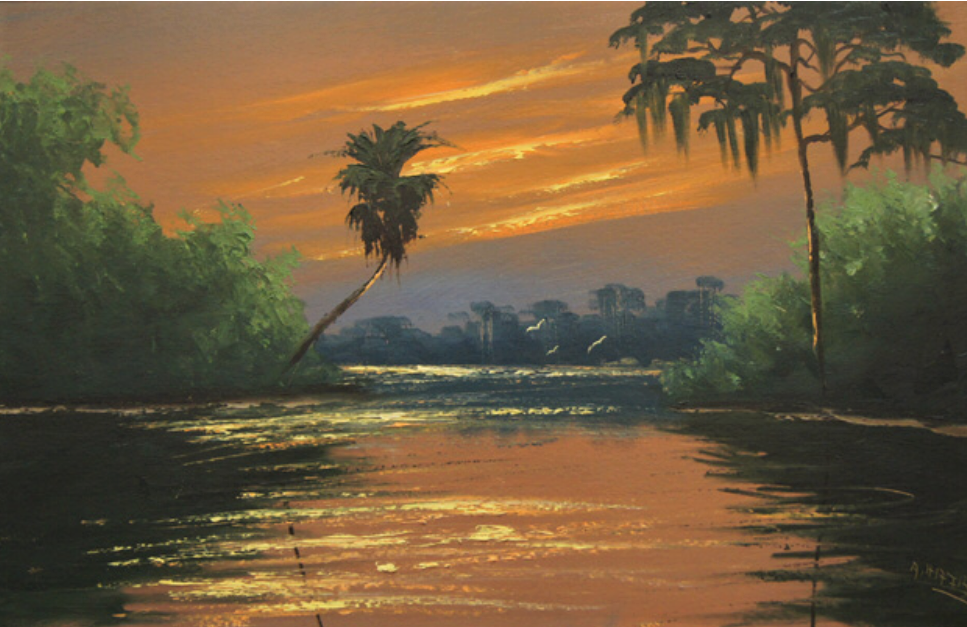
In all the Highwaymen made over 200,000 paintings which show an older Florida – the pre-Disney and Universal Florida of citrus groves and farms. At the same time they show the Florida of the Jim Crow era – when a group of defiant and talented artists worked outside the system and found independence and agency through art.
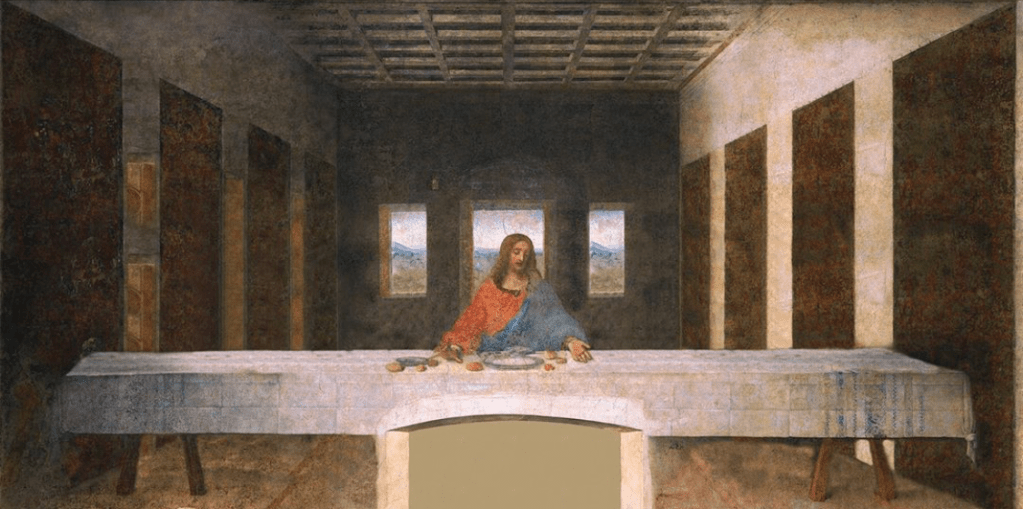
I love these reimagined paintings by German digital artist Til Kolare.


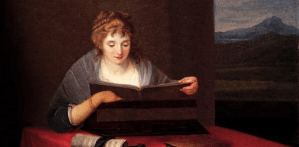
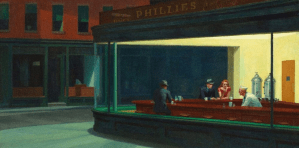
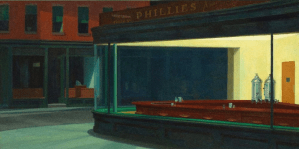
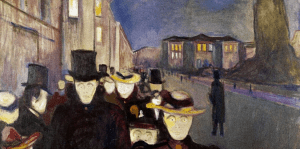


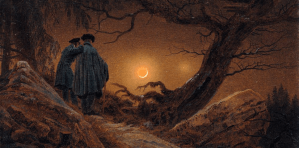


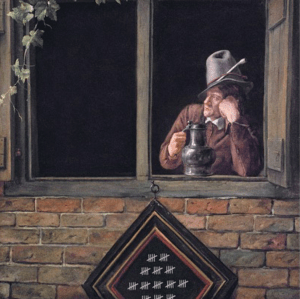
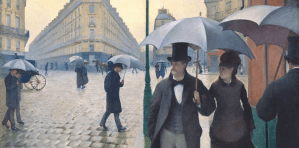
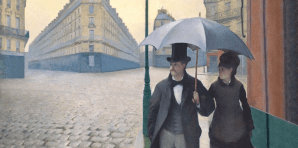
You can find more of artist Til Kolare’s amazing edits on social distancing on his Instagram account.

Before he wrote the dictionary, Webster wrote the book largely responsible for American pronunciation and spelling – the bestselling Blue-Backed Speller.
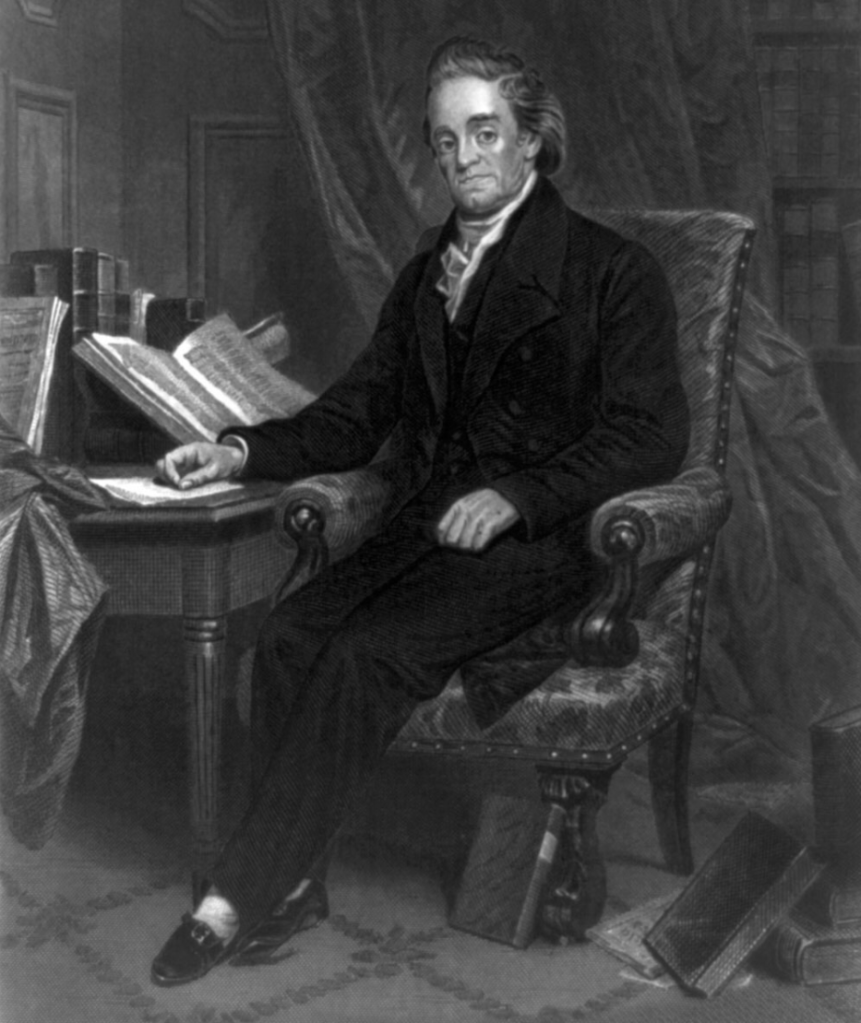
Noah Webster was born in Connecticut in 1758 and came of age during the American Revolution. He went to Yale from 1774 to 1778, and became a teacher. It was then that he realized that American education system was too dependent on England and English books, and needed to be updated. He wanted to free American English from the pedantry of English forms and traditions, and in 1783 he wrote A Grammatical Institute of the English Language which became known as the “Blue-Backed Speller” – because of its blue binding.

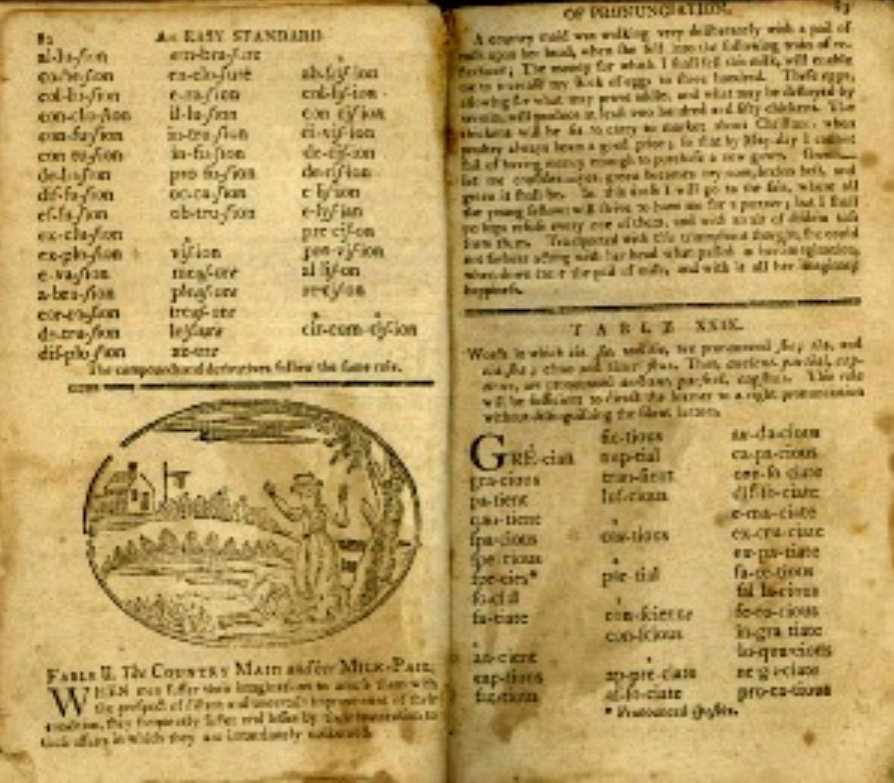
Towards the end of the 18th and the early part of the 19th century the Blue-Backed Speller was sold in general stores for 14 cents a copy. Over the next 100 years it sold 60 million copies – more than any other book in the American history with the exception of the bible, and became one of the most influential books in the history of the English Language.

The words and sentences in the book were repeated over and over in classrooms across the fledgling nation – and this repetition of the words over time changed the way Americans sounded out and pronounced the words. With this book Webster made sure Americans spoke words in a way that removed the sounds of the clipped vowels of the English aristocracy whose influence he wanted to remove from everything American. It was all part of a larger cultural transformation that freed America from an English mindset.

It was also from this book that America learnt how to spell in a standardized way across the country. Webster tried to remove all unnecessary letters and illogical spellings from American English – hence the dropping of the letter U from American honor, color etc. He also removed all unnecessary double letters – hence traveler and not traveller, wagon and not the English waggon. He simplified spelling – changing RE to ER as in theater and center, and replaced the C with an S as in defense, gaol became jail, plough became plow, and axe became ax.

With this book, America also managed to keep English pure and unchanged – even after 200 years Americans used words that had since dropped from the English language – the best example is the word fall which England used in the 16th and 17th century but later dropped for the word autumn (which has a French origin). Americans continue to use Chaucer’s “I gesse” unknowingly each time they say “I guess.”
Webster took the American Revolution into the cultural world and the realm of language and literature. With this book he not only shaped the American identity, but managed to unify a linguistically and ethnically diverse nation. At the same time with the Blue-Backed Speller, America, particularly its East Coast, claimed the future of English and became its fiercest guardian.
(Source: YouTube – The History of the English Language, Images Courtesy – noahwebster.org).
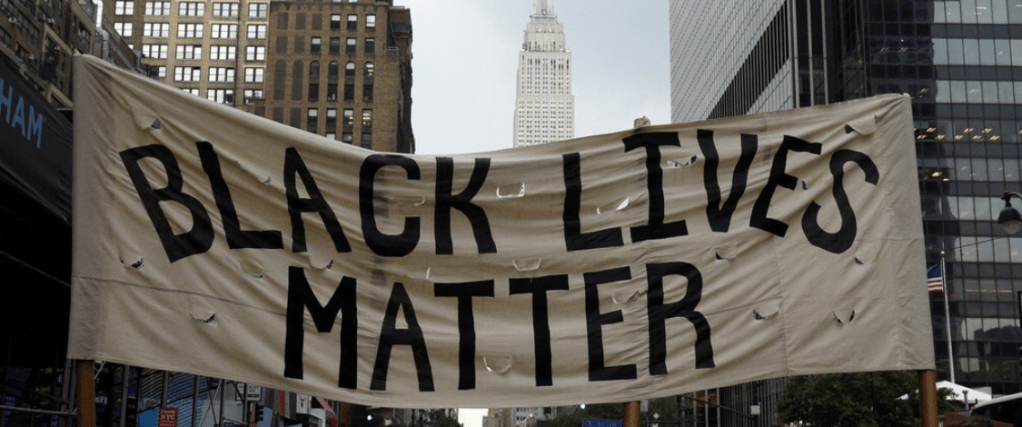
Where did this powerful term, this hashtag that has galvanized a nation, and become the rallying cry for a generation – where did it come from?

The year was 2013, and George Zimmerman was acquitted of the murder of 17 year old Trayvon Martin. Alicia Garza was shocked, saddened, and frustrated to hear the verdict, and immediately wrote a series of Facebook posts – what she later called a Love Letter to all Black People, “stop saying we are not surprised. That’s a damn shame in itself. I continue to be surprised at how little Black lives matter.” Followed by another simple, yet powerful message,“black people. I love you. I love us. Our lives matter.”
The Facebook messages were then shared by her friend and activist Patrisse Cullors who used her message to form the powerful hashtag, “declaration: black bodies will no longer be sacrificed for the rest of the world’s enlightenment. I am done. Trayvon, you are loved infinitely. #blacklivesmatter.”
This was followed by another Facebook post that was a call to action, and was the first time the hashtag was characterized as a movement,
“Alicia Garza myself, and hopefully more black people than we can imagine are embarking on a project. we are calling it BLACKLIVESMATTER”
“#blacklivesmatter is a movement attempting to visiblize what it means to be black in this country. Provide hope and inspiration for collective action to build collective power to achieve collective transformation. Rooted in grief and rage but pointed towards vision and dreams.”
Another civil rights activist Opal Tometi recognized the potential of the hashtag and the three of them created an online space for this movement to grow – somewhere where others could join and spread awareness.
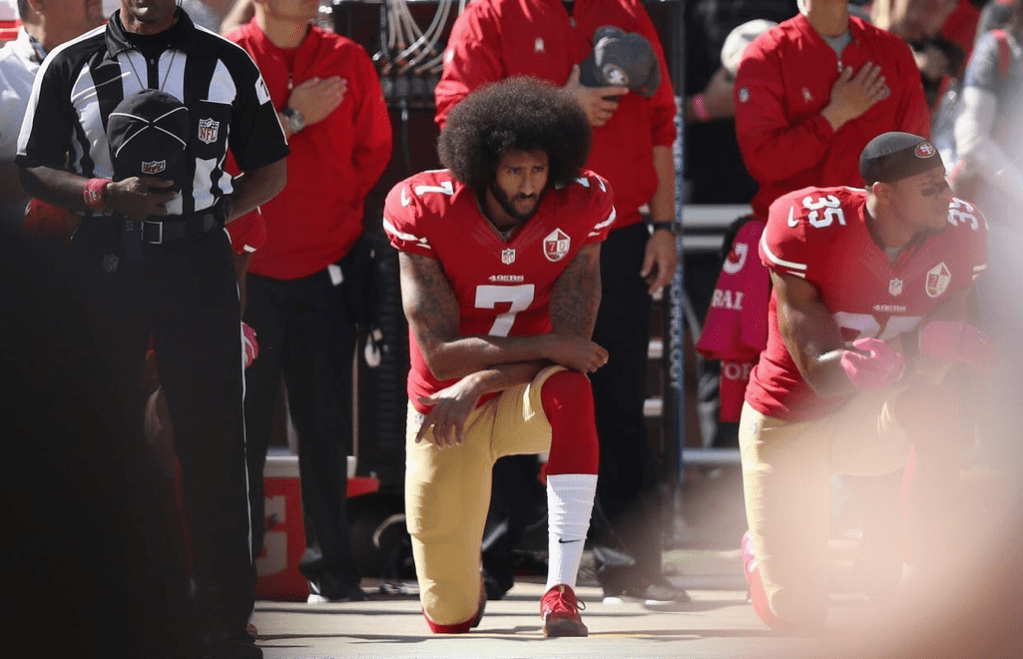
For most of 2013, the hashtag gained traction on social media as a rallying cry for a civil rights movement, but remained within the confines of social media. It was not until 2014, when Eric Garner was killed in Staten Island by a police chokehold, followed by the August 2014 killing of teenager Michael Brown by a police office in Ferguson, Missouri, and race relations came to a boiling point with demonstrations and protests continuing for weeks that #blacklivesmatter came to be used both offline and online for a movement.
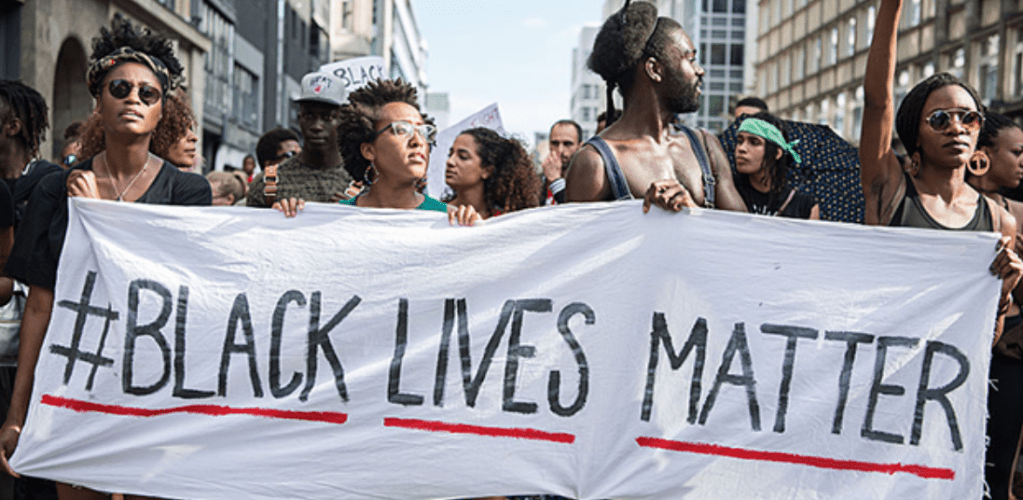
According to the Pew Research Group, #blacklivesmatter appeared on Twitter a total of 11.8 million times between July 2013 and March 2016. I am sure when the word is analyzed for 2020 it will easily cross the billion mark.
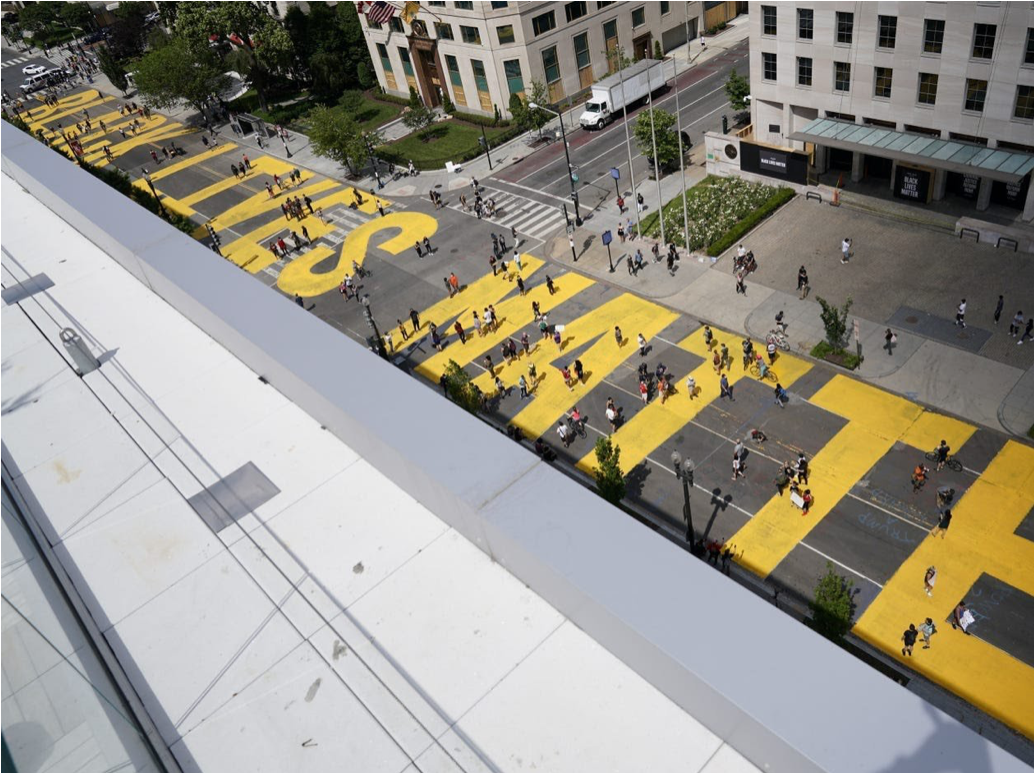

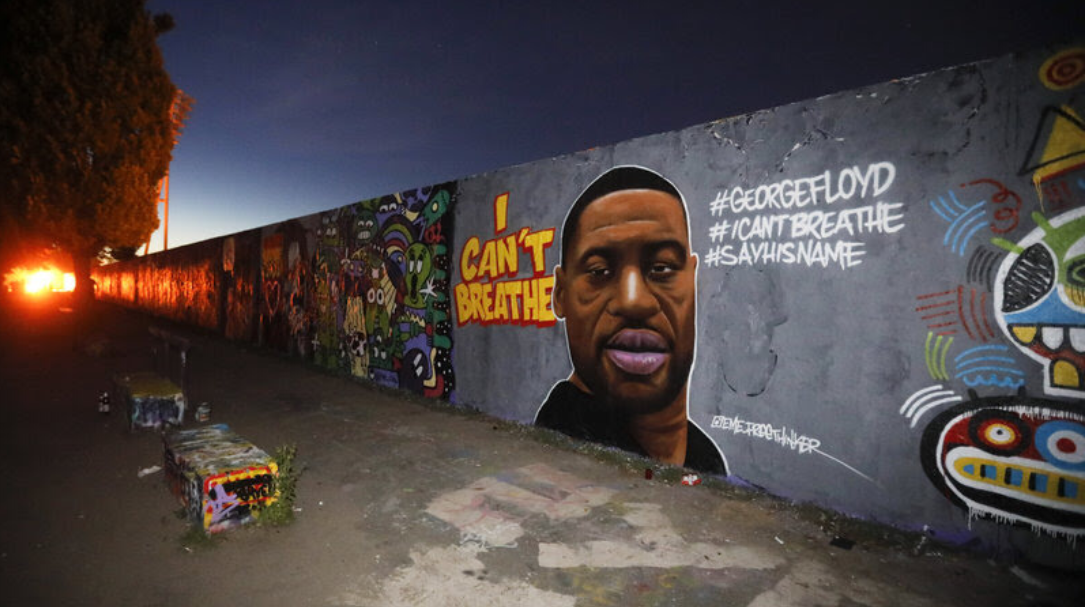
With its civil rights roots, its longevity in this short attention span world, and its phenomenal spread across the world, it is clear that this powerful and meaninful term is not just the rallying cry of 2020, but of an entire generation unwilling to accept racial inequality. The hashtag has created a new mechanism for confronting this racial inequality and has become synonymous with the fight against systematic and structural racism.
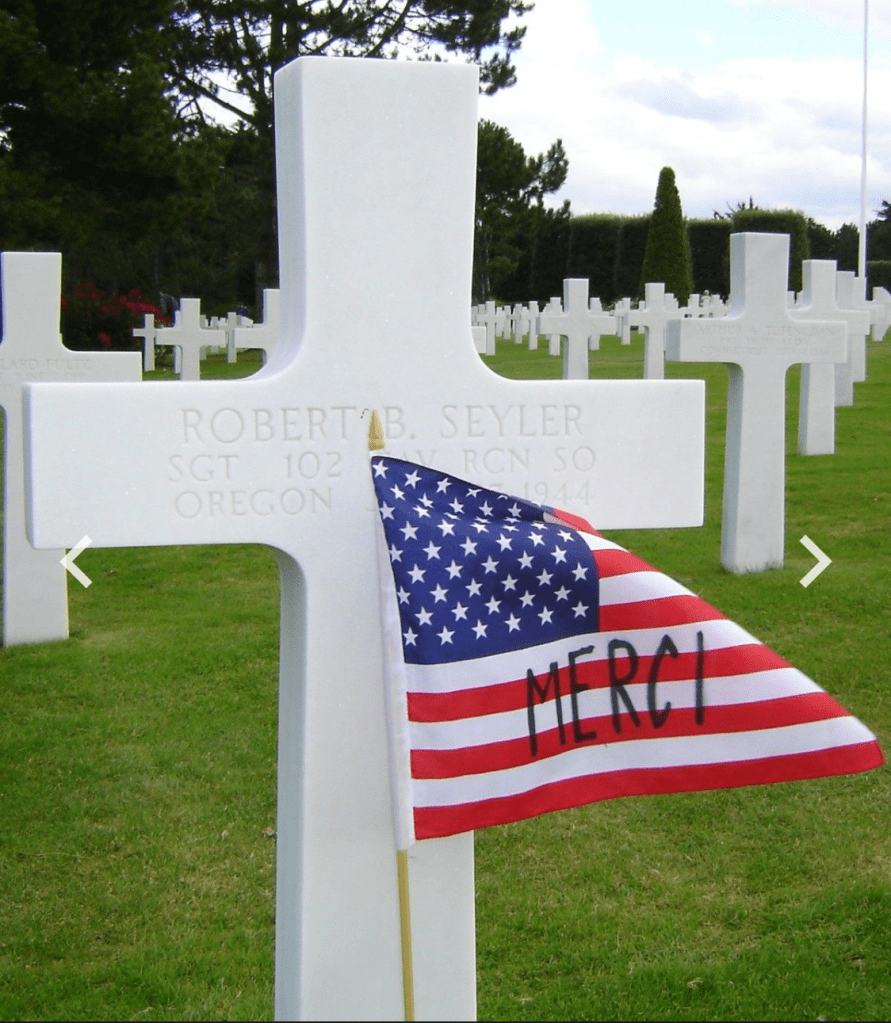
The operation that turned the tide against Nazi Germany in World War II began at dawn on June 6, 1944. Codenamed Operation Overlord, it was the largest amphibious invasion in history – in which US, British, and Canadian troops landed on 5 separate beachheads in Normandy, France, with the purpose of liberating France and Western Europe from the Nazis.
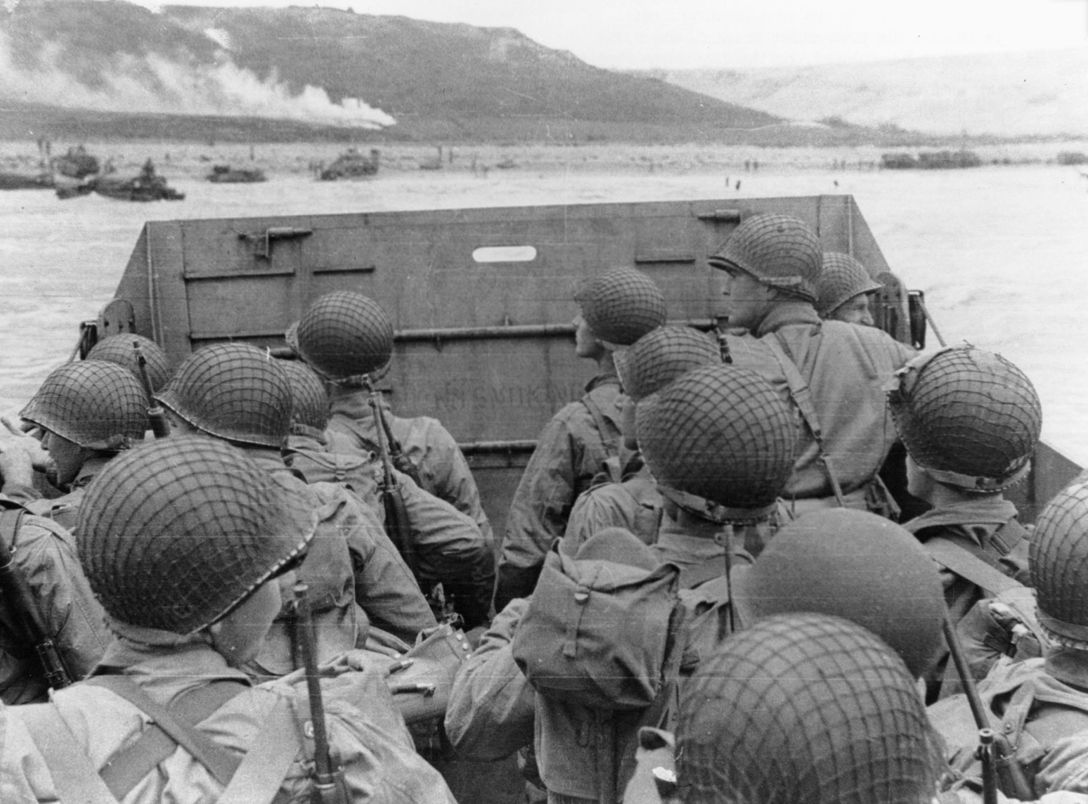

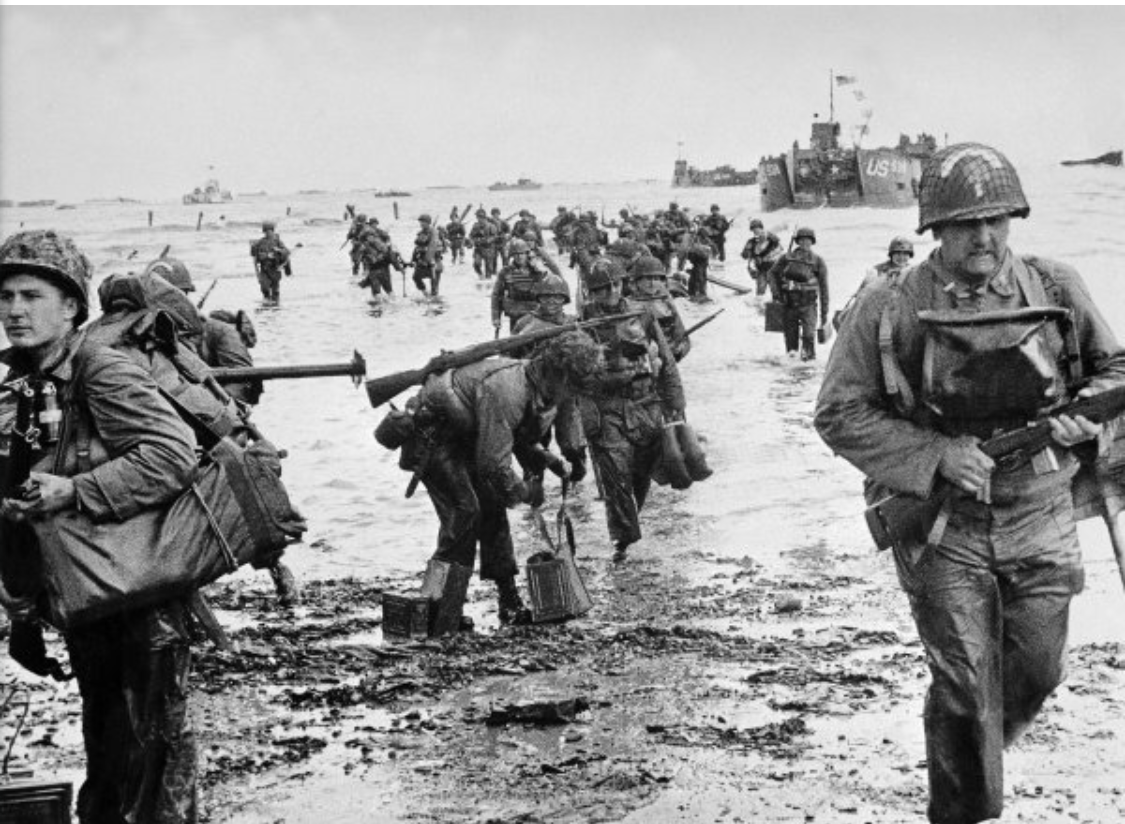
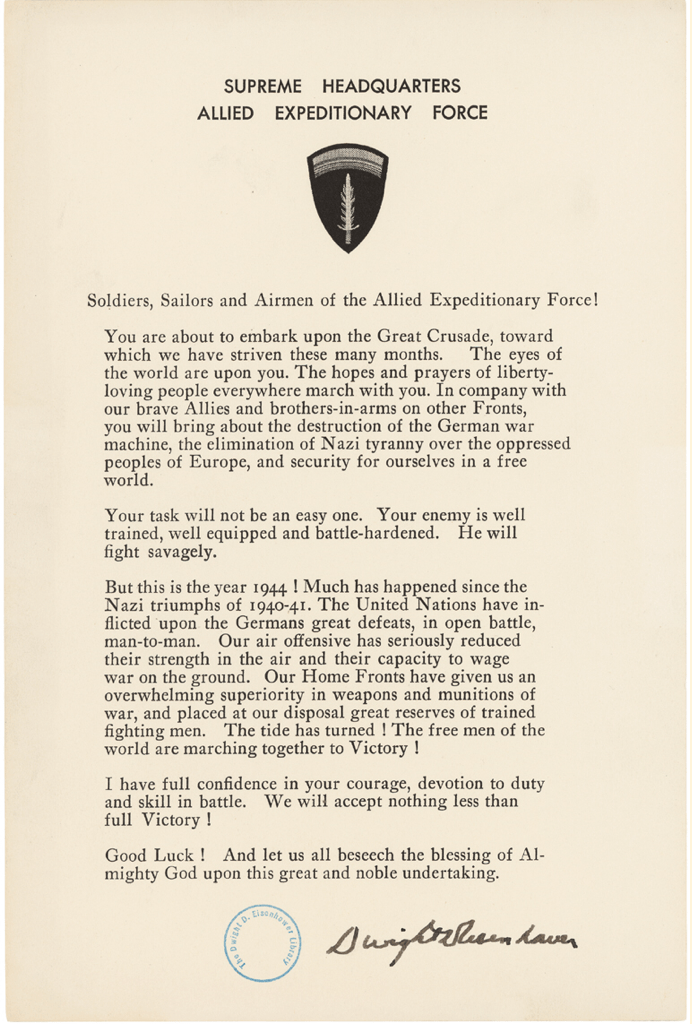

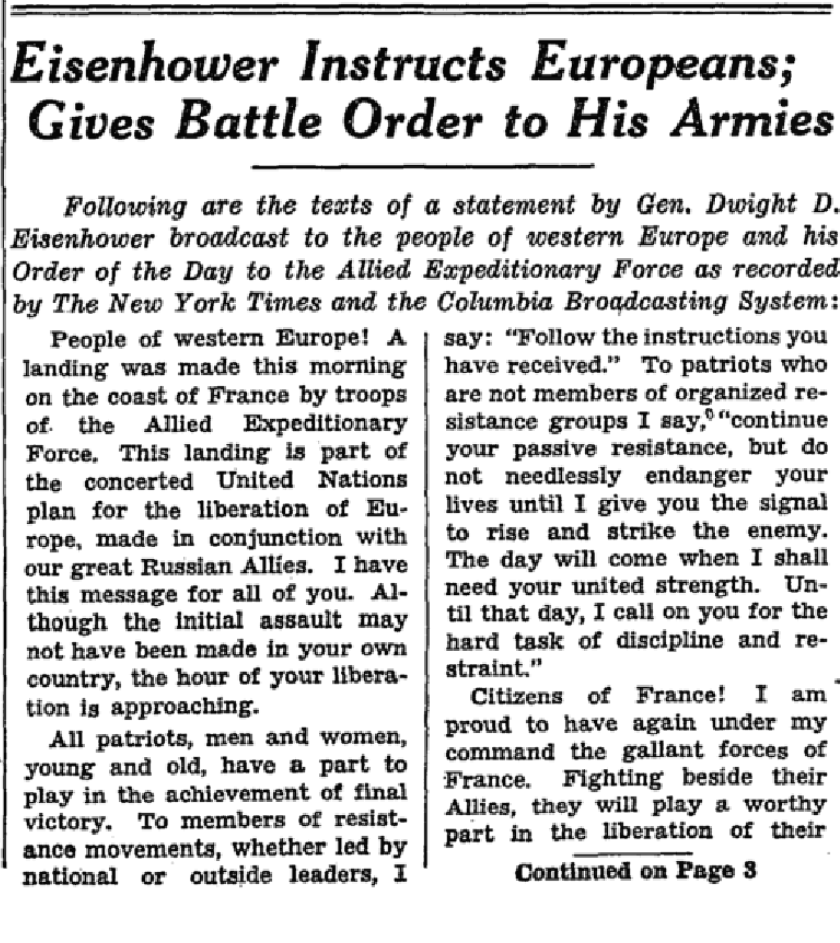

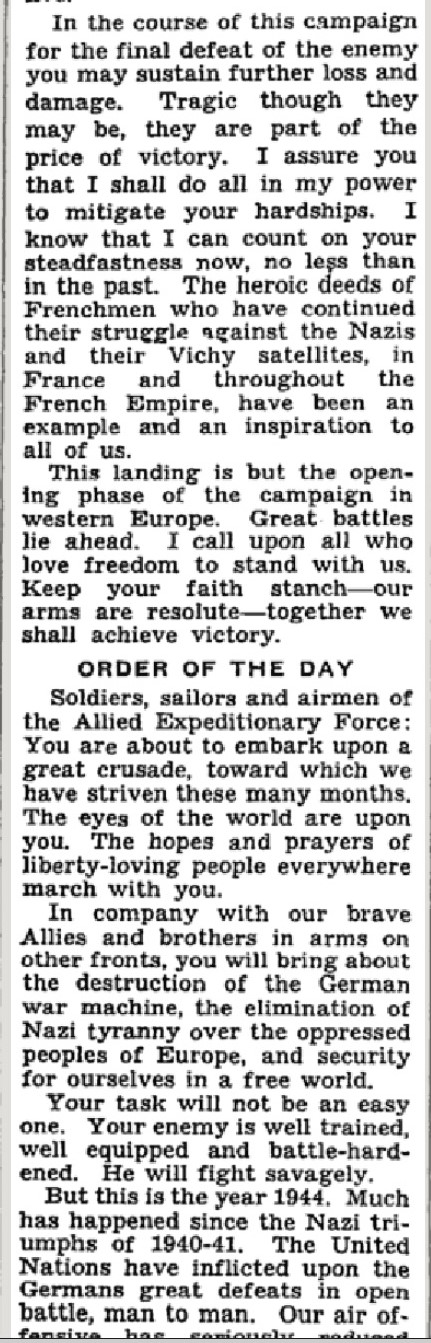
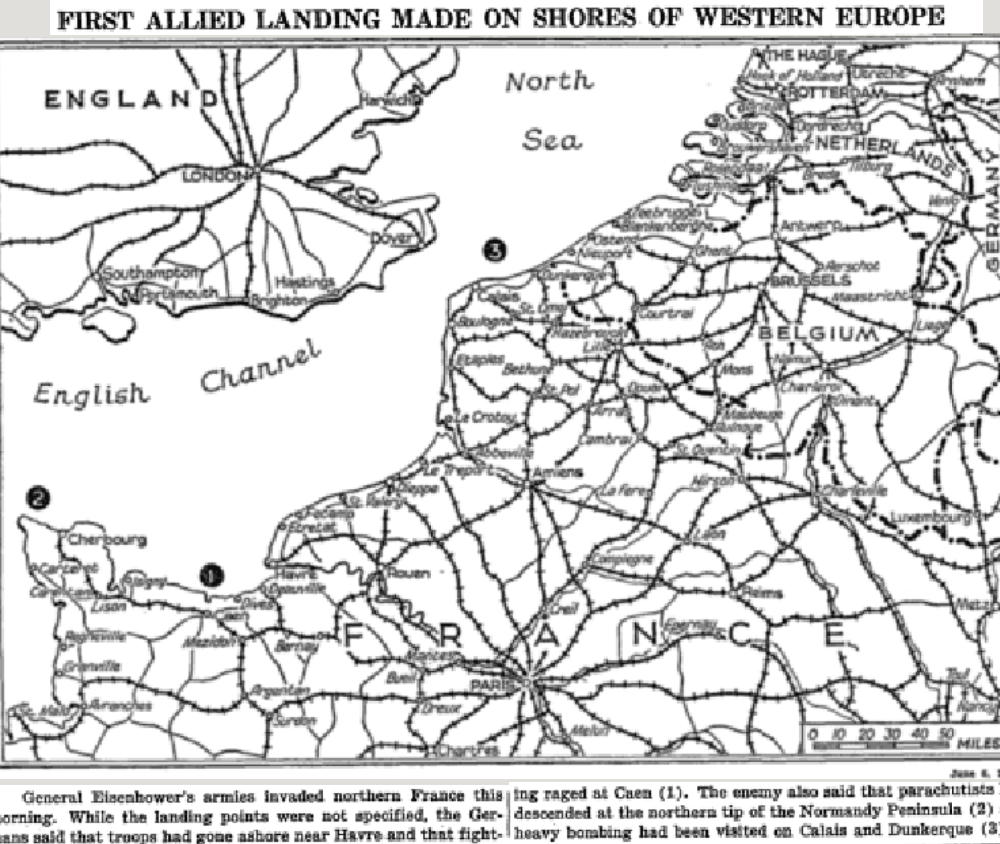
The German Occupation of France started on May 10, 1940. On June 18, 1940 General Charles de Gaulle gave a speech in which he almost predicted the Allied invasion of Normandy to liberate France from the Nazis.


I believe our sorrow can make us a better country. I believe our righteous anger can be transformed into more justice and more peace. Barack Obama. 2016.


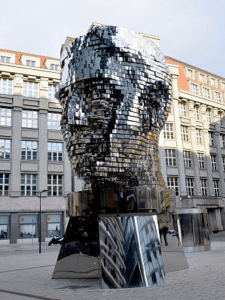
We started reading Czech author Franz Kafka’s The Metamorphosis in English last week and I am still trying to understand what I am supposed to make of this book. On its surface it’s quite simple – if one allows for all suspension of disbelief – a salesman goes to sleep a normal human being and wakes up a bug and seriously what kind of life did Kafka live to have such a wild imagination. I realize we are dealing with deeper issues like an existential crisis – but still what an imagination. I decided to find interesting quotes by Kafka for this week’s Sunday Seven.
And my favorite:
 mimisawhney.com