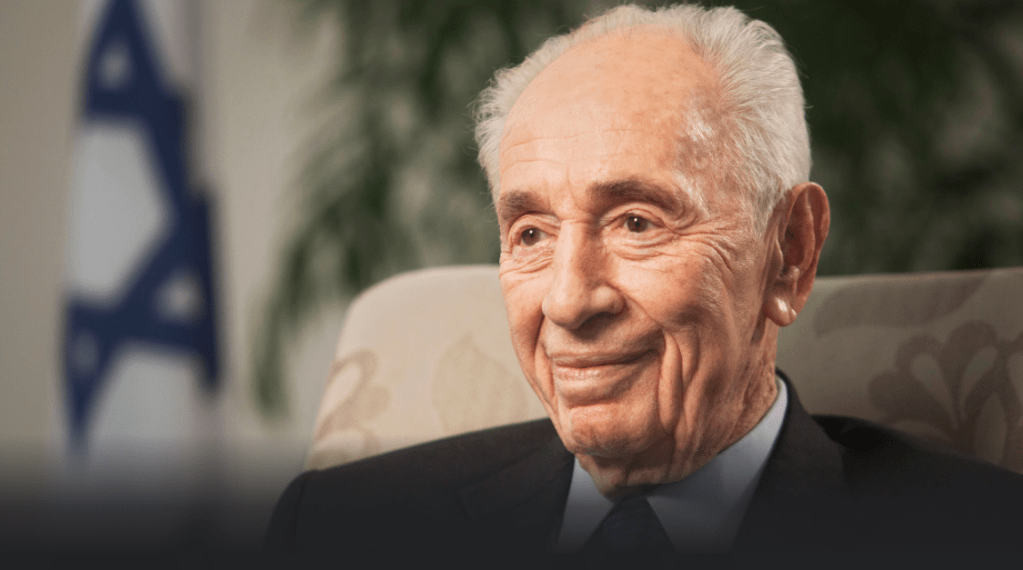
Shimon Peres, distinguished politician, statesman, and Nobel laureate was born on this day in 1923. He served as both prime minister and president of Israel. He was awarded the Nobel Peace prize for his “efforts to create peace in the Middle East.” This week’s Sunday Seven Quotes are from his speeches and his books:
We should use our imagination more than our memory.
If you eat three times a day you’ll be fed but if you read three times a day you’ll be wise.
If a problem has no solution, it may not be a problem, but a fact – not to be solved, but to be coped with over time.
If an expert says it can’t be done, get another expert.
When Israel was weak, I worked to make her fierce. Bot once she was strong, I gave my life’s efforts to peace.
Peace is a purpose – a goal worthy of the chase, while war is a function – born out of necessity.
You don’t make peace with your friends. You make it with your unsavory enemies.
It’s not enough to be up to date. We have to be up to-morrow.
Edward Moran (1829 -1901), Embarkation of the Pilgrims from Southhampton 1620
It was 400 years ago today that two ships sailed from Southampton (UK) for America – Mayflower and Speedwell. The ships that left Southampton carried the Separatists and the Strangers.
Leaving Leiden, July 22, 1620
The Separatists had left UK because of religious persecution in 1608, and had settled in Leiden, Netherlands. After 12 years they were disillusioned by their life and their ability to practice religion freely and decided to move to America. They sold all their belongings, bought the Speedwell and sailed from Leiden for Southampton on July 22, 1620.
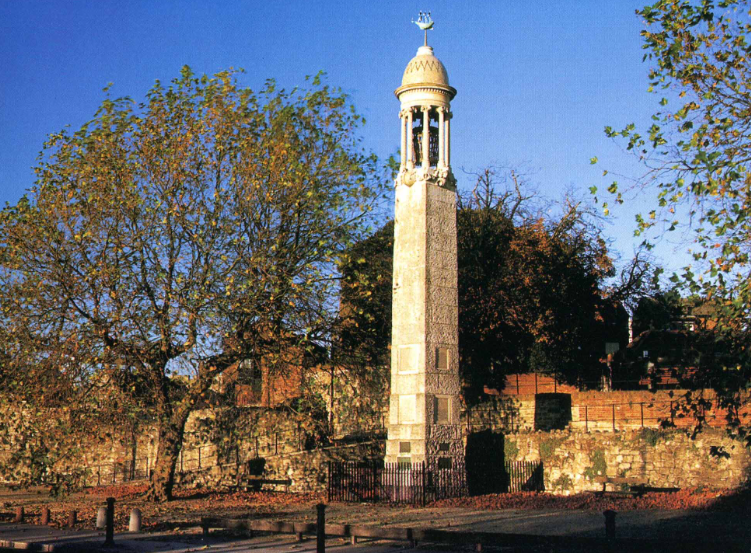
Pilgrim memorial Southampton, UK
They met up with more Separatists, and people who were moving for non-religious reasons, known as Strangers, in Southampton. The Speedwell had developed a leak in its journey from Leiden and needed repairs. While the repairs happened, the Speparatists lived on what is now known as Pilgrim Hill. They stocked up necessary supplies from merchants in Southampton before leaving on this long and unknown journey.
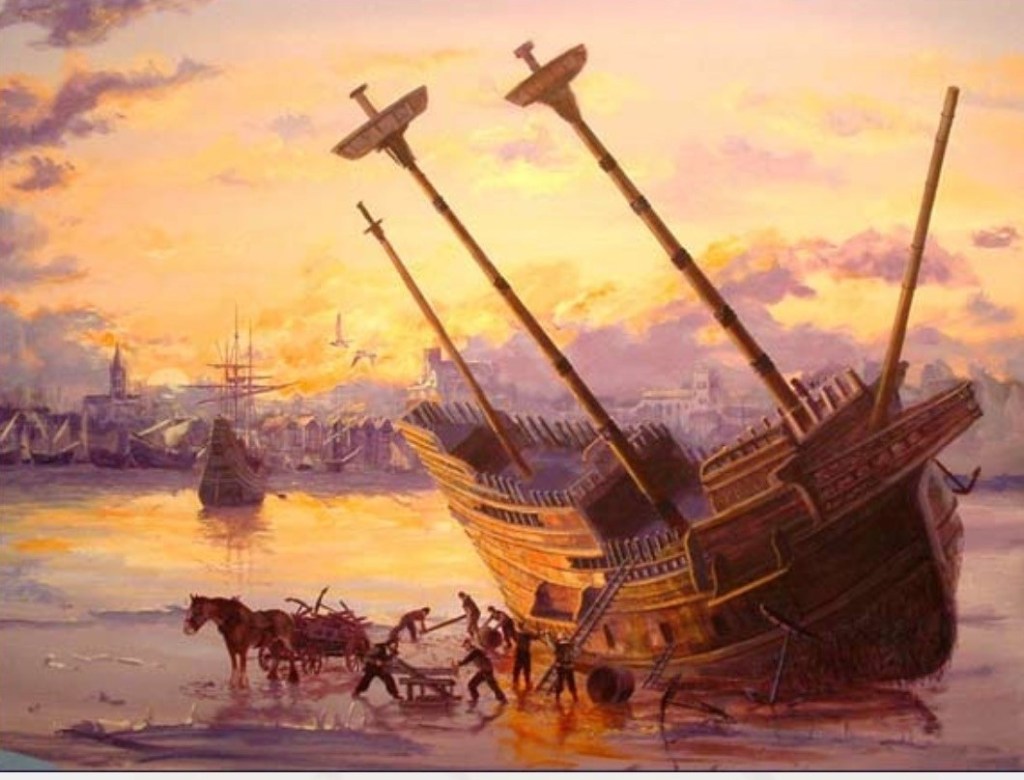
Arthur Welling Fowles (1815- 1883), Mayflower leaving Southampton 1881
It was on August 15, 1620, after Speedwell was fixed that both ships sailed. The journey, however, was cut short when Speedwell developed another leak after sailing for about 300 miles into the ocean. She was considered unsafe, and both ships turned around and headed towards Plymouth, UK.
Speedwell cannot make the journey
Speedwell had already been repaired, and at this point was considered not safe to make the transatlantic journey. Some Separatists abandoned the idea completely and returned to Leiden, other remained in Plymouth, and the rest got on board the iconic Mayflower which sailed into the ocean and into history a month later.
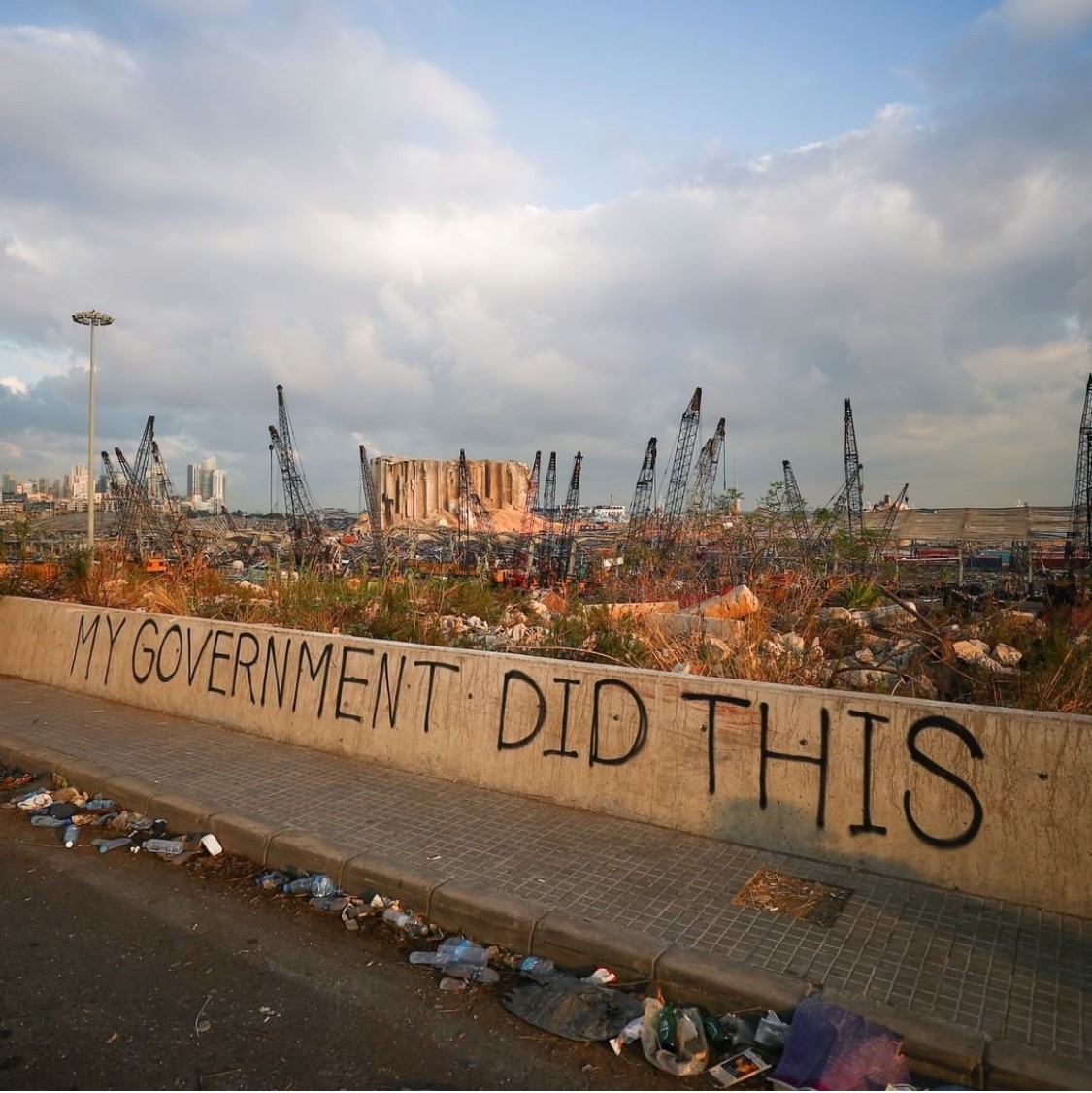
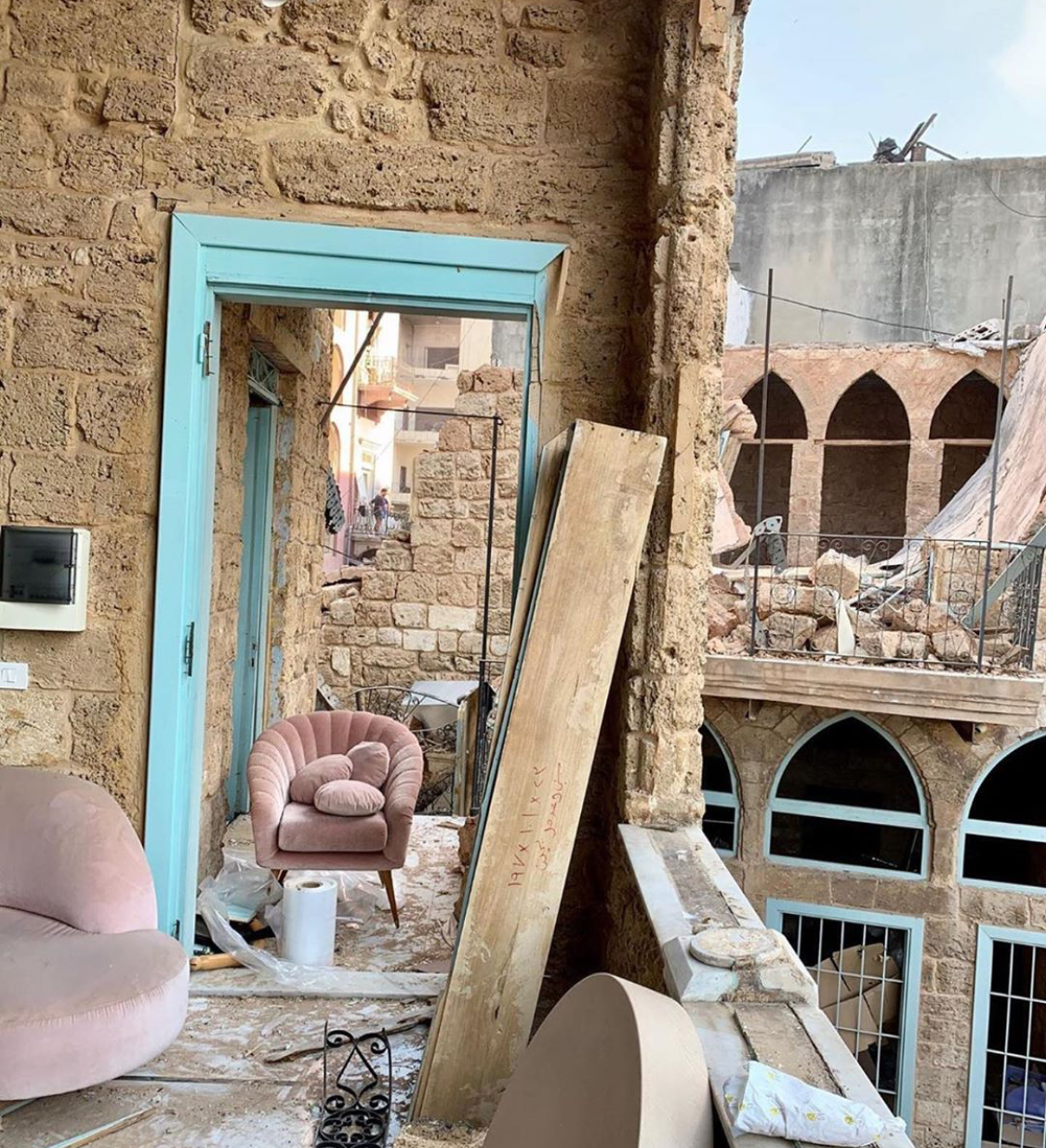
Who sold your bracelet inlaid with sapphire? Who seized your magic ring and cut your golden nails? Arise, Beirut, so that the world may survive…that we may survive….that love may survive.
Robinson Of Leyden
Oliver Wendell Holmes

HE sleeps not here; in hope and prayer
His wandering flock had gone before,
But he, the shepherd, might not share
Their sorrows on the wintry shore.

Before the Speedwell's anchor swung,
Ere yet the Mayflower's sail was spread,
While round his feet the Pilgrims clung,
The pastor spake, and thus he said:--

'Men, brethren, sisters, children dear!
God calls you hence from over sea;
Ye may not build by Haerlem Meer,
Nor yet along the Zuyder-Zee.

'Ye go to bear the saving word
To tribes unnamed and shores untrod;
Heed well the lessons ye have heard
From those old teachers taught of God.

'Yet think not unto them was lent
All light for all the coming days,
And Heaven's eternal wisdom spent
In making straight the ancient ways;

'The living fountain overflows
For every flock, for every lamb,
Nor heeds, though angry creeds oppose
With Luther's dike or Calvin's dam.'

He spake; with lingering, long embrace,
With tears of love and partings fond,
They floated down the creeping Maas,
Along the isle of Ysselmond.

They passed the frowning towers of Briel,
The 'Hook of Holland's' shelf of sand,
And grated soon with lifting keel
The sullen shores of Fatherland.

No home for these!--too well they knew
The mitred king behind the throne;--
The sails were set, the pennons flew,
And westward ho! for worlds unknown.

And these were they who gave us birth,
The Pilgrims of the sunset wave,
Who won for us this virgin earth,
And freedom with the soil they gave.

The pastor slumbers by the Rhine,--
In alien earth the exiles lie,--
Their nameless graves our holiest shrine,
His words our noblest battle-cry!

Still cry them, and the world shall hear,
Ye dwellers by the storm-swept sea!
Ye _have_ not built by Haerlem Meer,
Nor on the land-locked Zuyder-Zee!
On July 23, 1620, the English Pilgrms who had been living in the Netherlands, sailed on the Speedwell. They were heading towards Sothhampton where they would meet up with the Mayflower, and togther the two ships would sail for the New World.
I was wondering about the first known African-American artist and about the representation of Blacks in American art. I was wondering if the two might even be related – from whose point of view were we seeing Blacks in American art – and did the representation change once African-American artists started painting?
Images of African-Americans in Antebellum Era Art
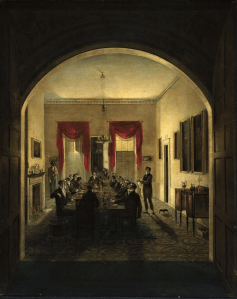
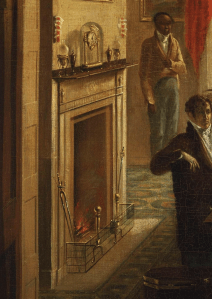
Henry Sargent, The Dinner Party, 1821
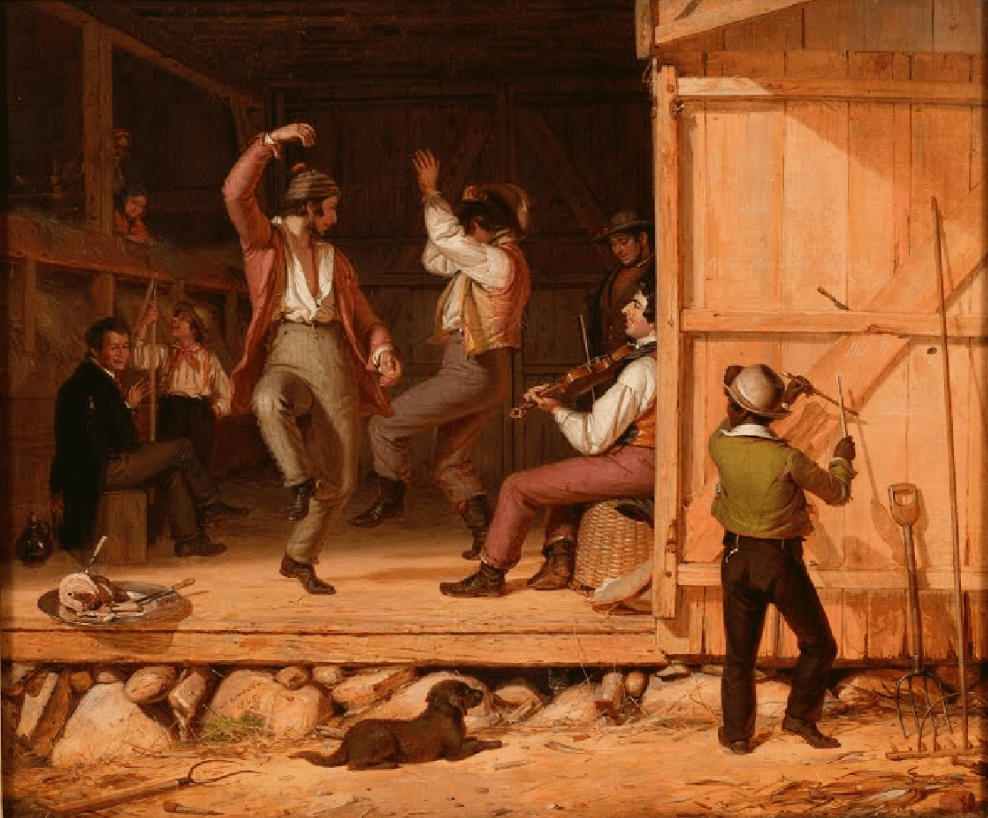
All through the 1800s, White artists depicted African-Americans as anonymous figures in the background, as unimportant figures in a larger group – never as the main focus of the painting. They were shown as waiters or as poor rural folk who are content with their lot in life. While Joshua Johnson showed sophisticated African-Americans in portraits, White artists showed them as poor marginalized figures.
Henry Sargent, The Tea Party, 1824
George Caleb Bingham, The County Election, 1852
William Sydney Mount – California News, 1850, Dance of the Haymakers 1845 & The Power of Music(1847)
Thomas Harrison Matteson, The Turkey Shoot, 1857
Eastman Johnson, Old Kentucky Home, 1859
All through the Antebellum Era, African-Americans were a side note in art – they were not given center stage until after the Civil War when pioneering artists like Henry Ossawa Tanner put them there.
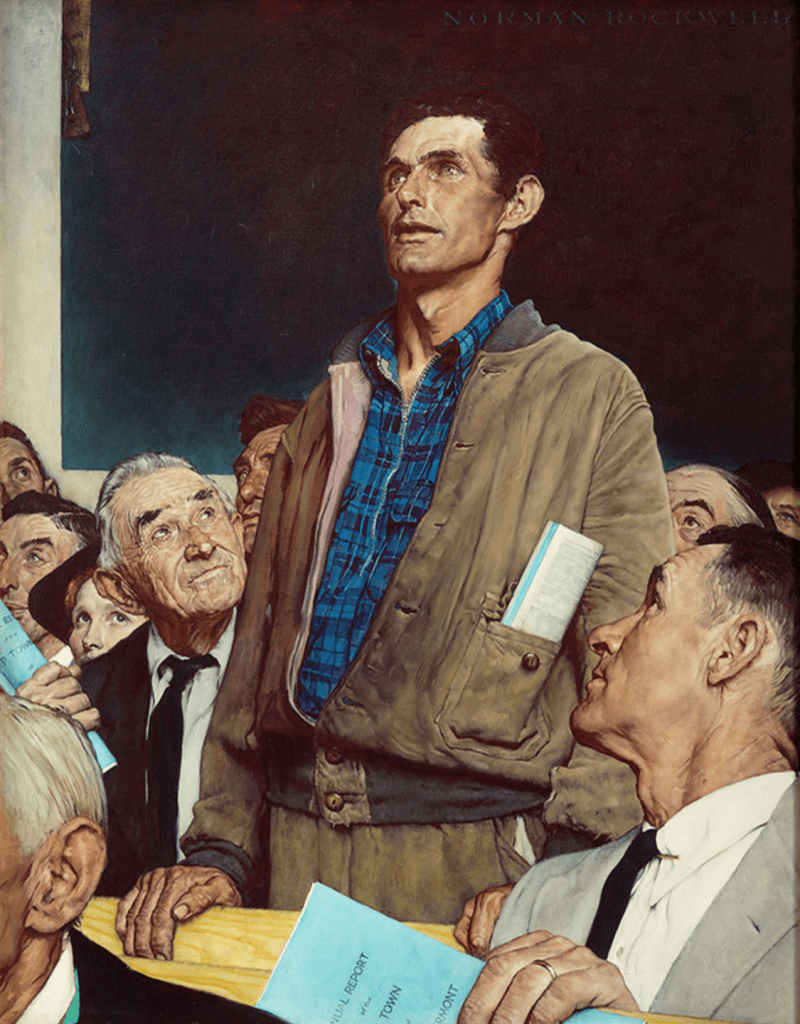
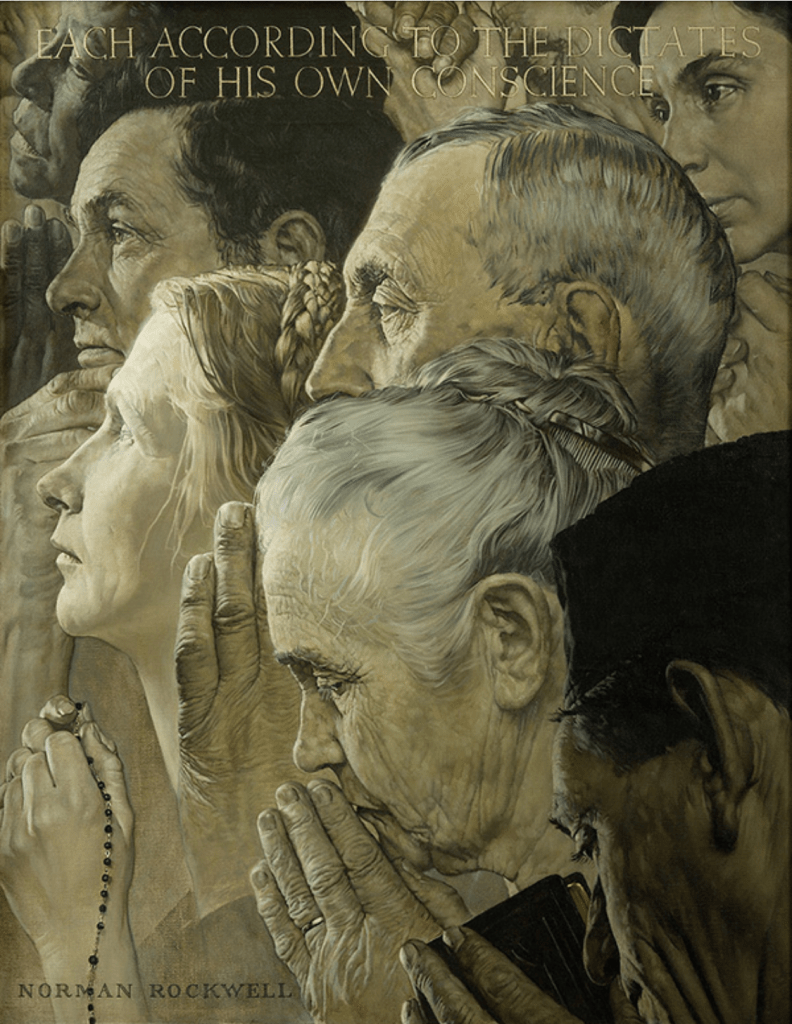
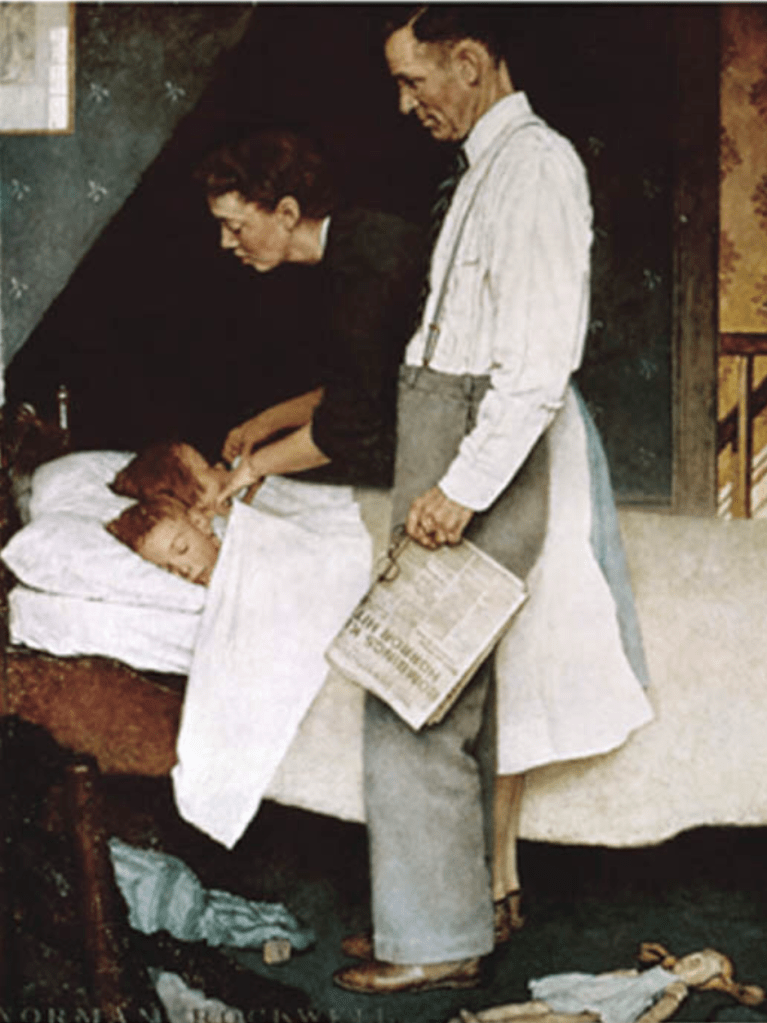
On January 6, 1941, with an eye towards the London blitz and German air raids, President Franklin Roosevelt gave a powerful speech in which he articulated his vision for a postwar world founded on four basic human freedoms. The speech was to encourage America to end its isolationism policy and join World War II. Norman Rockwell (1894-1978) was inspired by these words and visualized these freedoms in his own unique small-town neighborly way.
“In the future days, which we seek to make secure, we look forward to a world founded upon four essential human freedoms. “
“The first is freedom of speech and expression–everywhere in the world.”
Norman Rockwell, Freedom of Speech, 1943.
“The second is freedom of every person to worship God in his own way–everywhere in the world.”
Norman Rockwell, Freedom of Worship, 1943
“The third is freedom from want–which, translated into world terms, means economic understandings which will secure to every nation a healthy peacetime life for its inhabitants-everywhere in the world.”
Norman Rockwell, Freedom From Want, 1943
“The fourth is freedom from fear–which, translated into world terms, means a world-wide reduction of armaments to such a point and in such a thorough fashion that no nation will be in a position to commit an act of physical aggression against any neighbor–anywhere in the world.”
Norman Rockwell, Freedom from Want, 1943.
Two much loved, admired, and respected Americans – what an enduring legacy they have left for us to reflect upon.
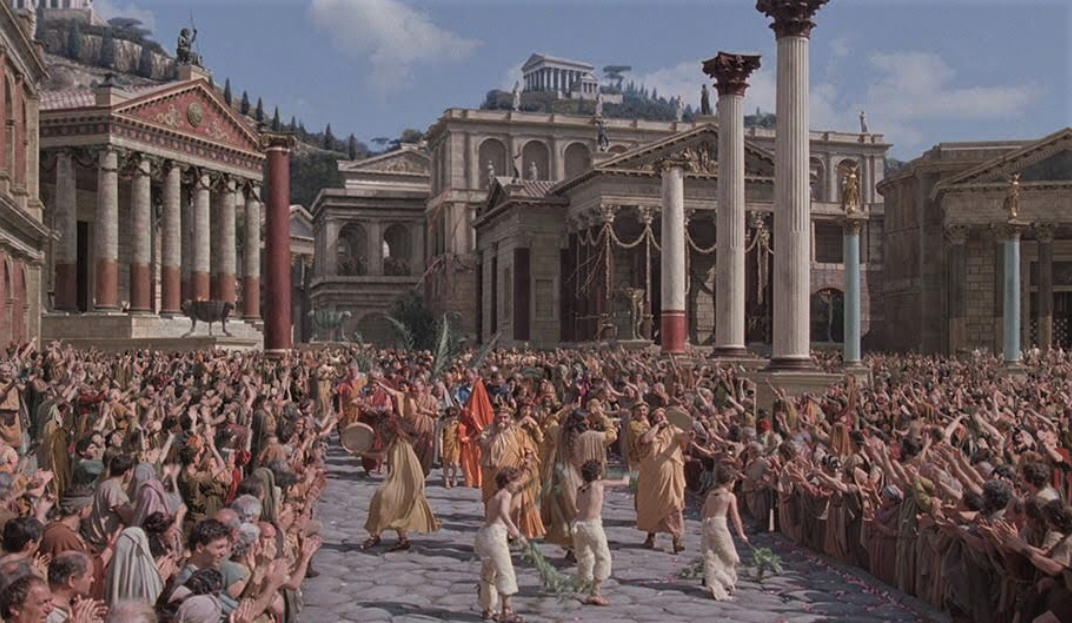
The phrase beautifully describes how leaders in ancient Rome placated the masses with free food and entertainment – with these two things in plentiful, politicians managed to keep an overpopulated, hungry, and often angry citizenry pacified and unquestioning.
Bread and Circus was not provided for the benefit of the citizens or their overall well-being – rather it was a pragmatic solution to keep politicians in power. A well fed, well entertained population is unlikely to become a revolutionary force of any kind!!
2nd Century Roman poet and satirist Decimus Iunius Iuvenalis (known as Juvenal in English) wrote this phrase in Satira X:
Nam qui dabat olim
Imperium, fasces, legions, omnia, nunc se
Continet, atque duas tantum res anxius optat,
Panem et circenses
      For that sovereign people that once gave away
Military command, consulships, legions, and every thing,
  Now bridles its desires, and limits its anxious longings to two things only
bread and circuses
Here are some other gems that this little-known Roman satire genius wrote :
Orandum es tut sit mens sana incopore sano
Rather than for wealth, power or children, men should pray for a sound mind in a sound body

Rara avis in terries nigroque simillima cycno
A truly good person is a rare bird (like a black swan)

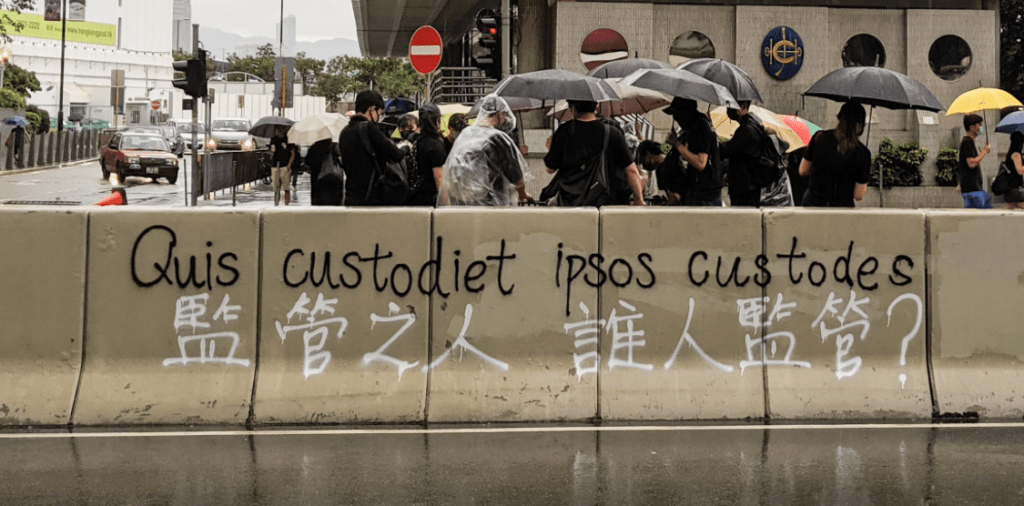
Quis custodiet Ipsos custode
Who will guard the guards?
Ques Custodiet Ipsos custodes?… found in Hongkong
Interesting how sometimes things stay relevant for centuries.
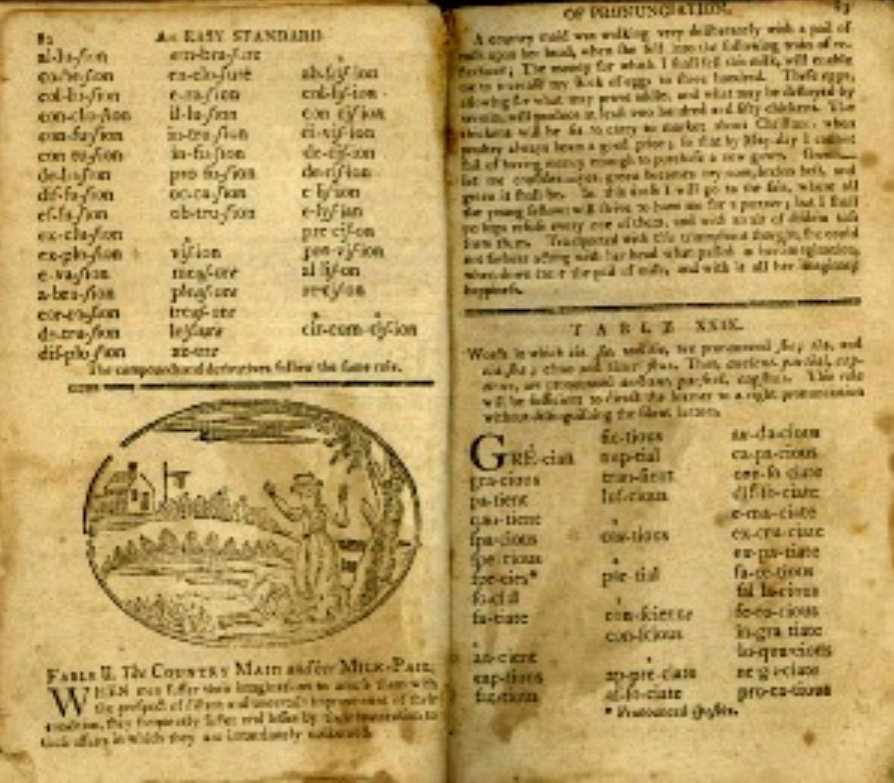
Before he wrote the dictionary, Webster wrote the book largely responsible for American pronunciation and spelling – the bestselling Blue-Backed Speller.
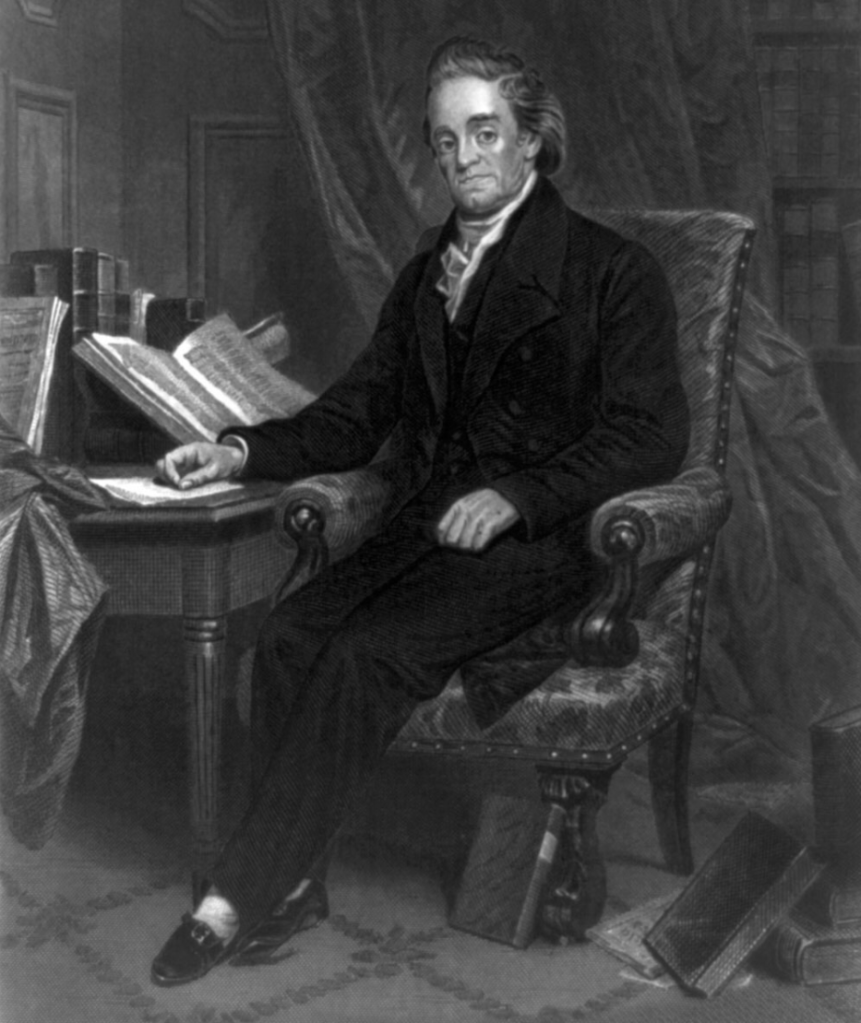
Noah Webster
Noah Webster was born in Connecticut in 1758 and came of age during the American Revolution. He went to Yale from 1774 to 1778, and became a teacher. It was then that he realized that American education system was too dependent on England and English books, and needed to be updated. He wanted to free American English from the pedantry of English forms and traditions, and in 1783 he wrote A Grammatical Institute of the English Language which became known as the “Blue-Backed Speller” – because of its blue binding.
Towards the end of the 18th and the early part of the 19th century the Blue-Backed Speller was sold in general stores for 14 cents a copy. Over the next 100 years it sold 60 million copies – more than any other book in the American history with the exception of the bible, and became one of the most influential books in the history of the English Language.
An 18th Century school in Winchester, MA
The words and sentences in the book were repeated over and over in classrooms across the fledgling nation – and this repetition of the words over time changed the way Americans sounded out and pronounced the words. With this book Webster made sure Americans spoke words in a way that removed the sounds of the clipped vowels of the English aristocracy whose influence he wanted to remove from everything American. It was all part of a larger cultural transformation that freed America from an English mindset.
Edward Lamson Henry, A Country School, 1840
It was also from this book that America learnt how to spell in a standardized way across the country. Webster tried to remove all unnecessary letters and illogical spellings from American English – hence the dropping of the letter U from American honor, color etc. He also removed all unnecessary double letters – hence traveler and not traveller, wagon and not the English waggon. He simplified spelling – changing RE to ER as in theater and center, and replaced the C with an S as in defense, gaol became jail, plough became plow, and axe became ax.
With this book, America also managed to keep English pure and unchanged – even after 200 years Americans used words that had since dropped from the English language – the best example is the word fall which England used in the 16th and 17th century but later dropped for the word autumn (which has a French origin). Americans continue to use Chaucer’s “I gesse” unknowingly each time they say “I guess.”
Webster took the American Revolution into the cultural world and the realm of language and literature. With this book he not only shaped the American identity, but managed to unify a linguistically and ethnically diverse nation. At the same time with the Blue-Backed Speller, America, particularly its East Coast, claimed the future of English and became its fiercest guardian.
(Source: YouTube – The History of the English Language, Images Courtesy – noahwebster.org).
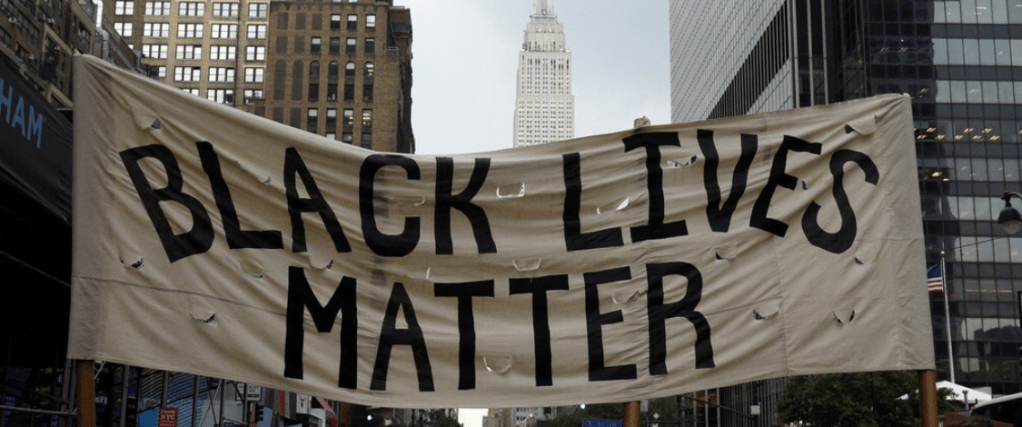
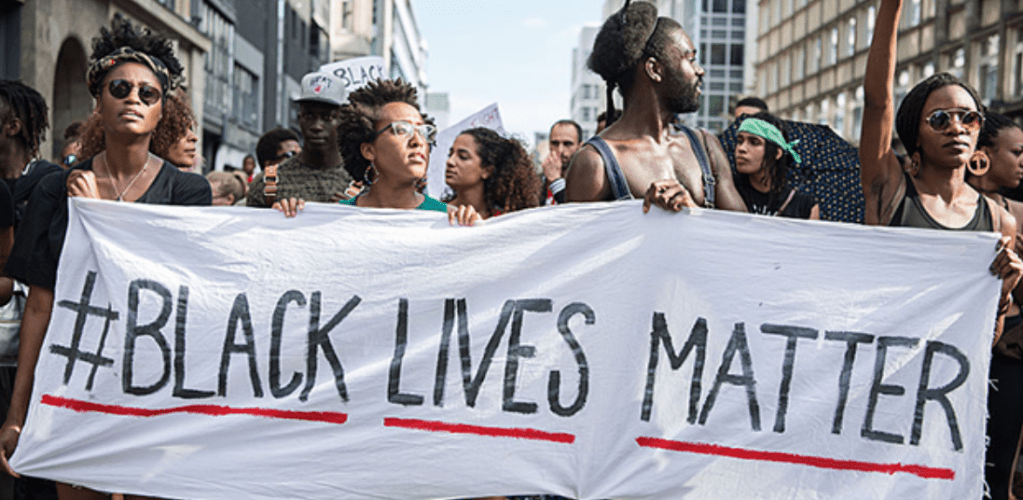
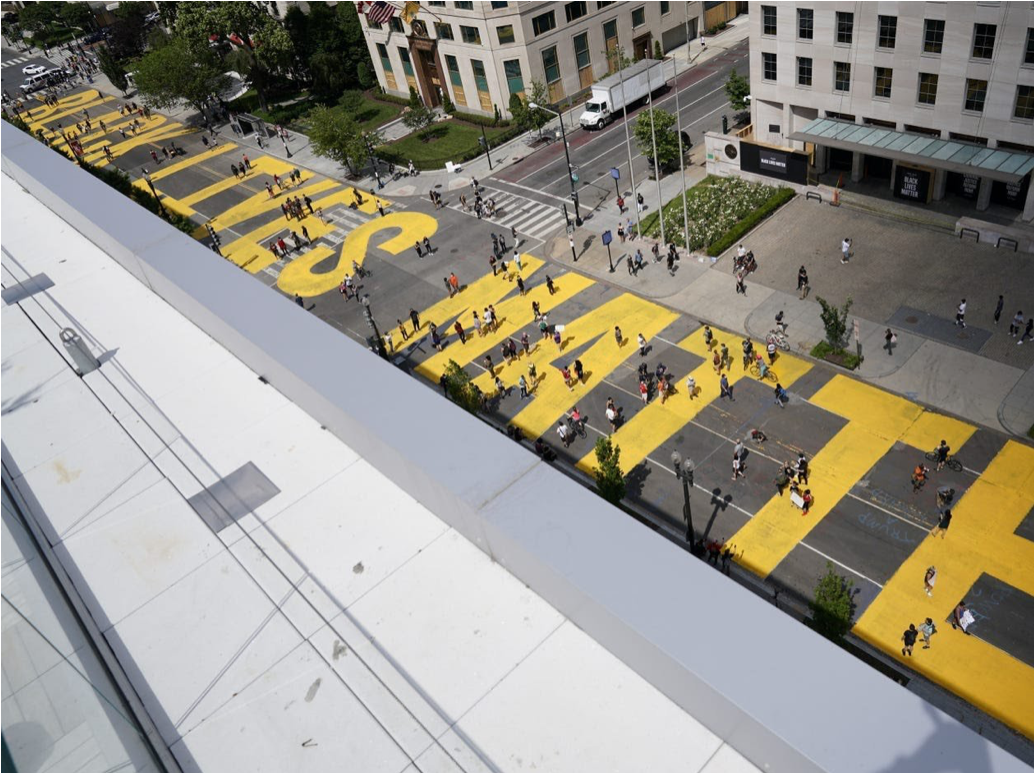
Where did this powerful term, this hashtag that has galvanized a nation, and become the rallying cry for a generation – where did it come from?
Alicia Garza, Opal Tometi, and Patrisse Cullors
The year was 2013, and George Zimmerman was acquitted of the murder of 17 year old Trayvon Martin. Alicia Garza was shocked, saddened, and frustrated to hear the verdict, and immediately wrote a series of Facebook posts – what she later called a Love Letter to all Black People, “stop saying we are not surprised. That’s a damn shame in itself. I continue to be surprised at how little Black lives matter.” Followed by another simple, yet powerful message,“black people. I love you. I love us. Our lives matter.”
The Facebook messages were then shared by her friend and activist Patrisse Cullors who used her message to form the powerful hashtag, “declaration: black bodies will no longer be sacrificed for the rest of the world’s enlightenment. I am done. Trayvon, you are loved infinitely. #blacklivesmatter.”
This was followed by another Facebook post that was a call to action, and was the first time the hashtag was characterized as a movement,
“Alicia Garza myself, and hopefully more black people than we can imagine are embarking on a project. we are calling it BLACKLIVESMATTER”
“#blacklivesmatter is a movement attempting to visiblize what it means to be black in this country. Provide hope and inspiration for collective action to build collective power to achieve collective transformation. Rooted in grief and rage but pointed towards vision and dreams.”
Another civil rights activist Opal Tometi recognized the potential of the hashtag and the three of them created an online space for this movement to grow – somewhere where others could join and spread awareness.
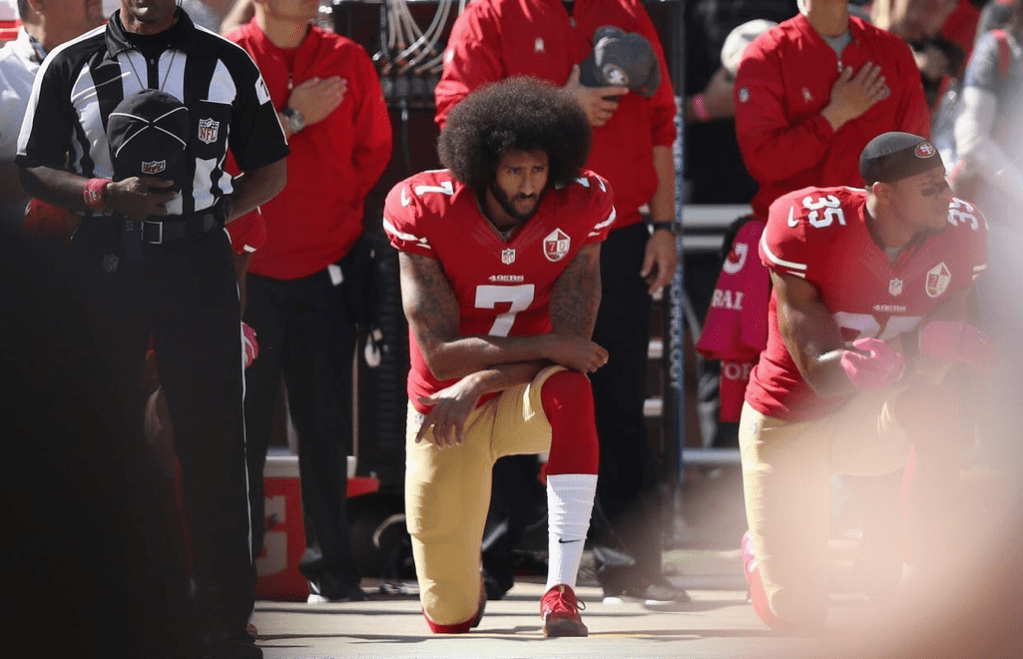
Colin Kaepernick & #blacklivesmatter – he refused to stand for the national anthem
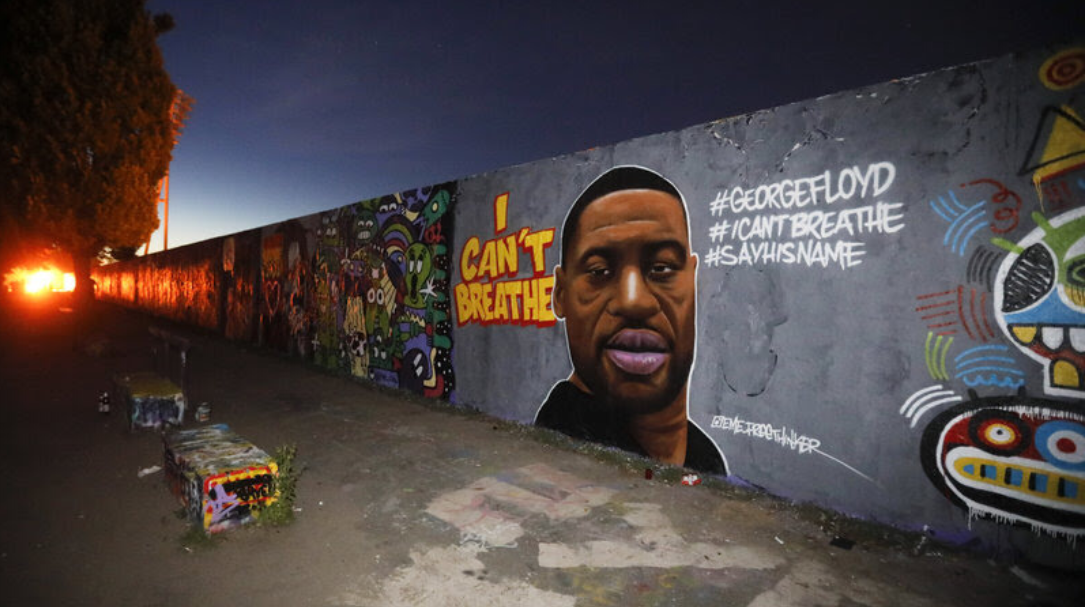
For most of 2013, the hashtag gained traction on social media as a rallying cry for a civil rights movement, but remained within the confines of social media. It was not until 2014, when Eric Garner was killed in Staten Island by a police chokehold, followed by the August 2014 killing of teenager Michael Brown by a police office in Ferguson, Missouri, and race relations came to a boiling point with demonstrations and protests continuing for weeks that #blacklivesmatter came to be used both offline and online for a movement.
According to the Pew Research Group, #blacklivesmatter appeared on Twitter a total of 11.8 million times between July 2013 and March 2016. I am sure when the word is analyzed for 2020 it will easily cross the billion mark.
With its civil rights roots, its longevity in this short attention span world, and its phenomenal spread across the world, it is clear that this powerful and meaninful term is not just the rallying cry of 2020, but of an entire generation unwilling to accept racial inequality. The hashtag has created a new mechanism for confronting this racial inequality and has become synonymous with the fight against systematic and structural racism.
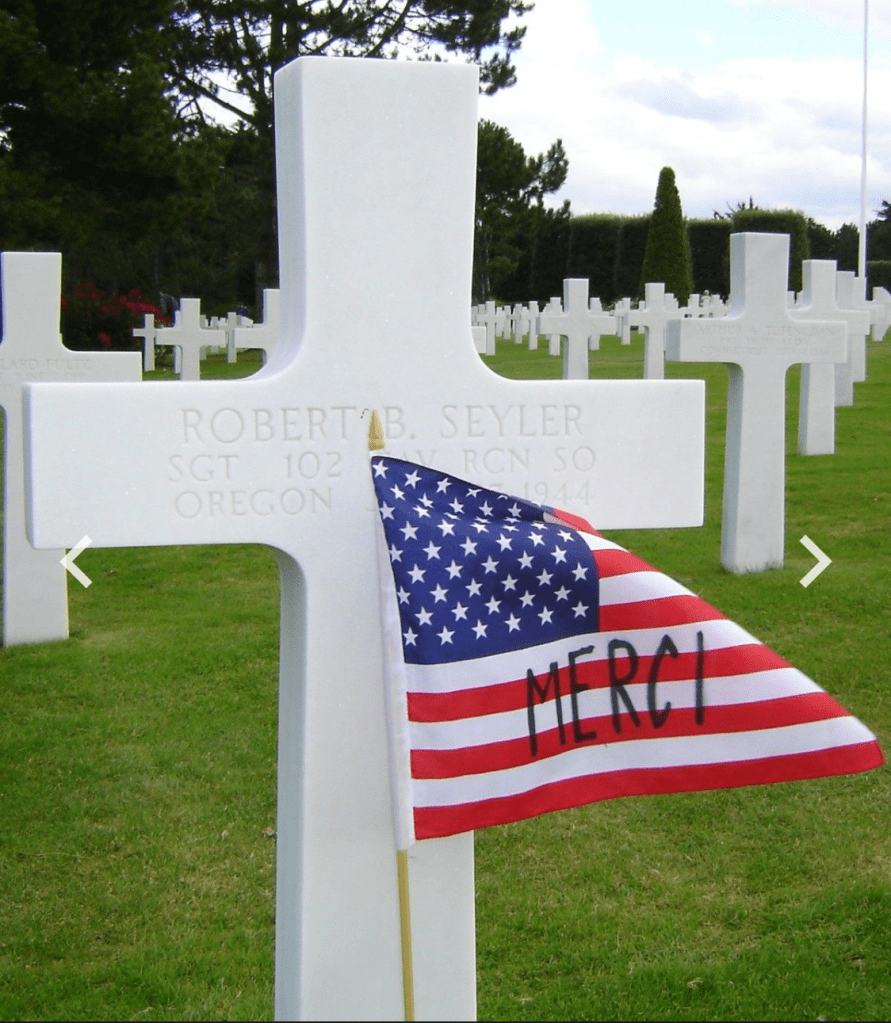
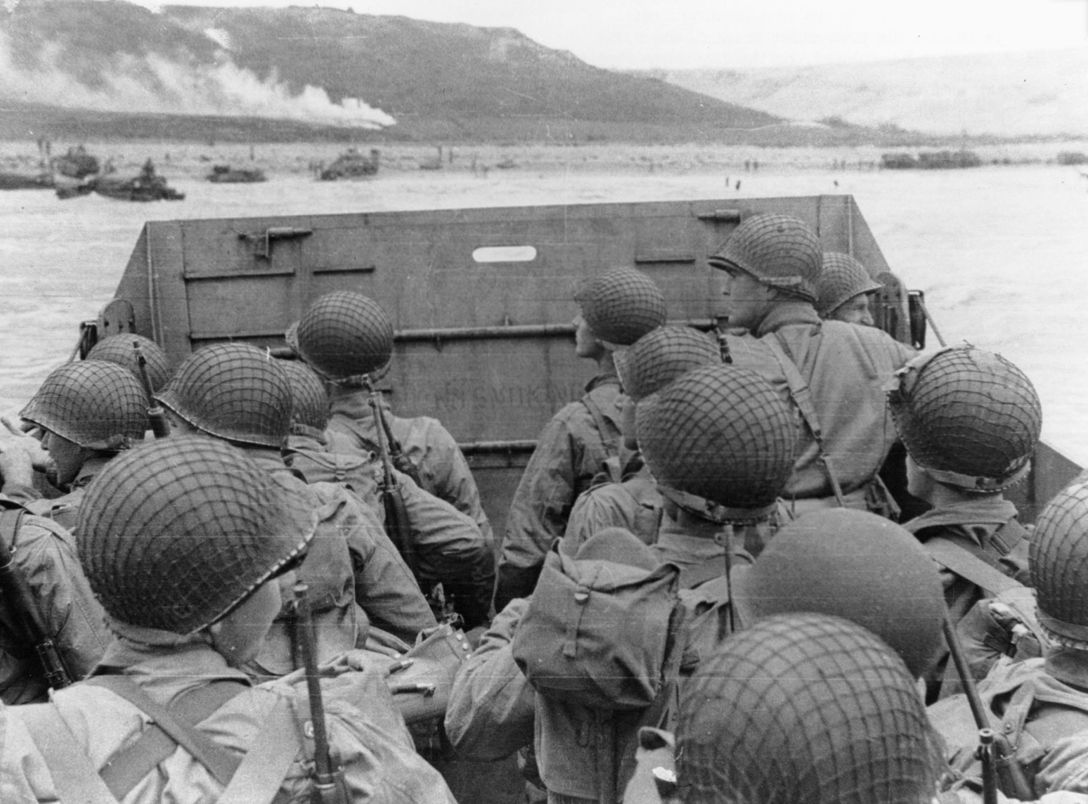
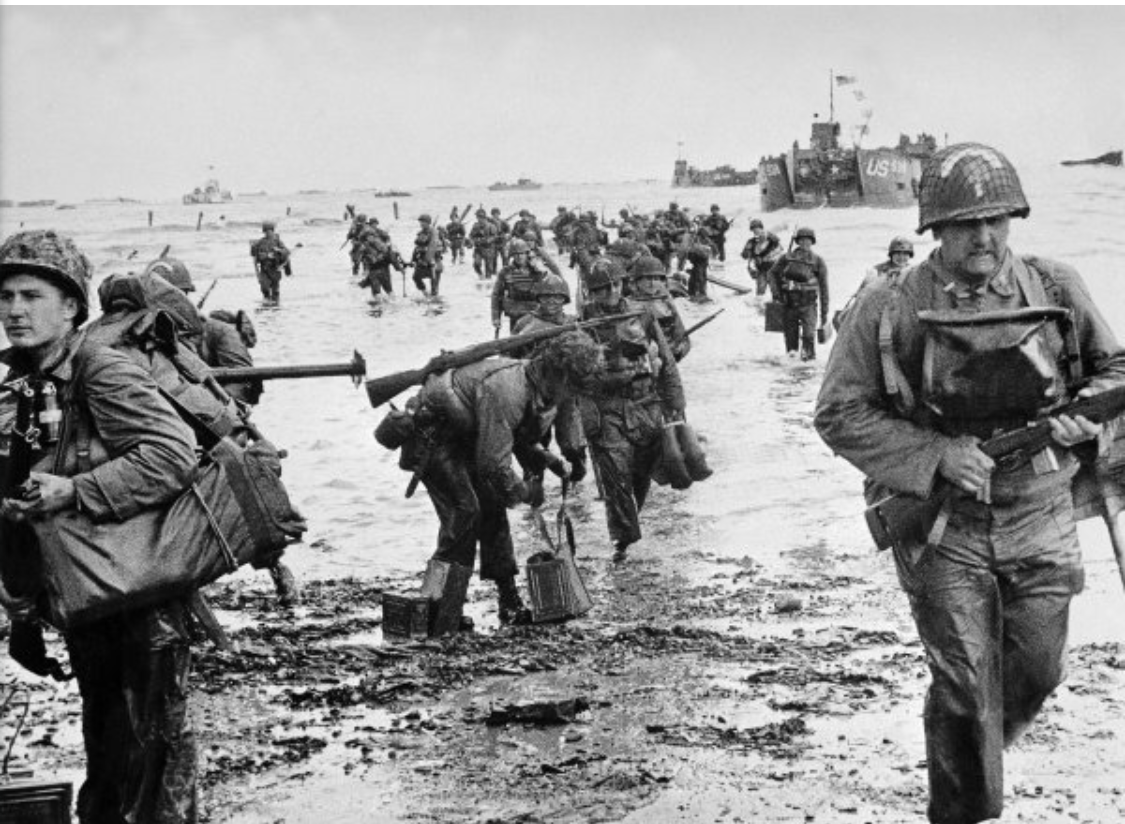
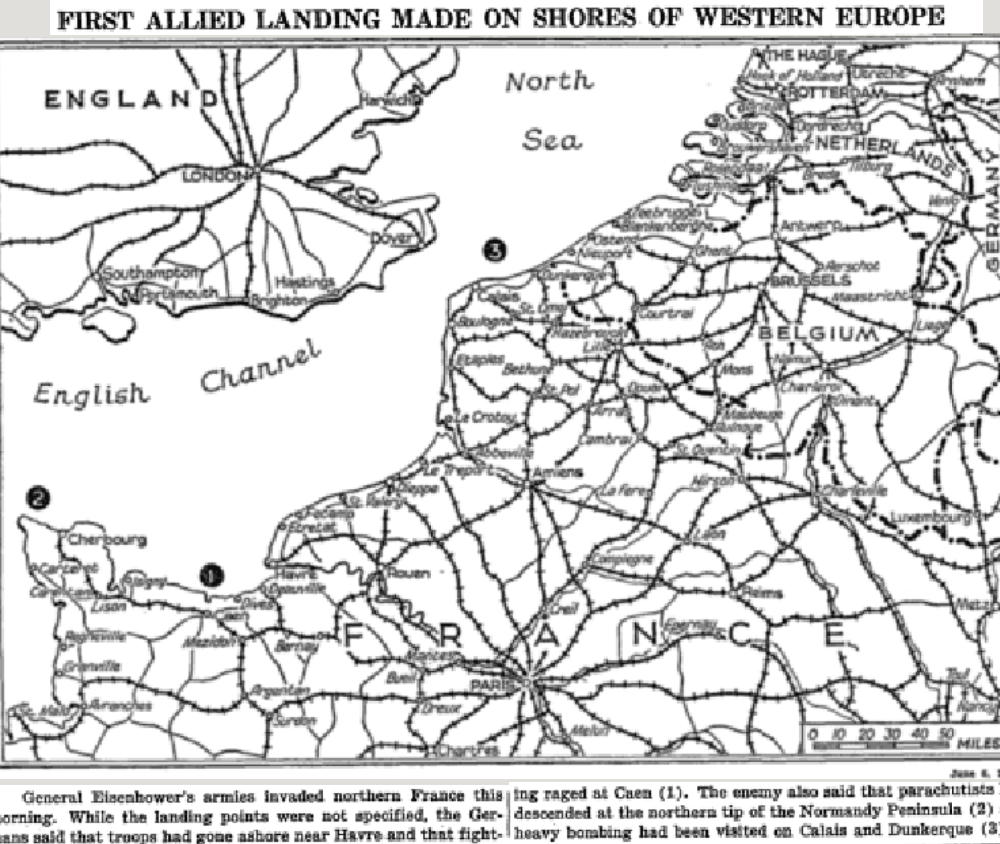
The operation that turned the tide against Nazi Germany in World War II began at dawn on June 6, 1944. Codenamed Operation Overlord, it was the largest amphibious invasion in history – in which US, British, and Canadian troops landed on 5 separate beachheads in Normandy, France, with the purpose of liberating France and Western Europe from the Nazis.
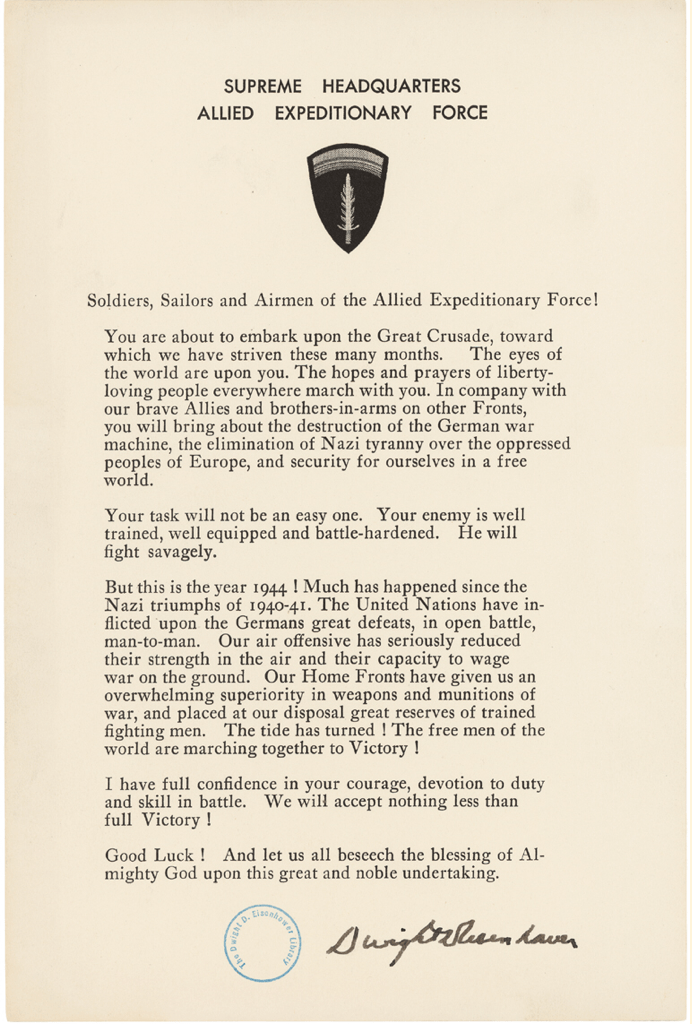
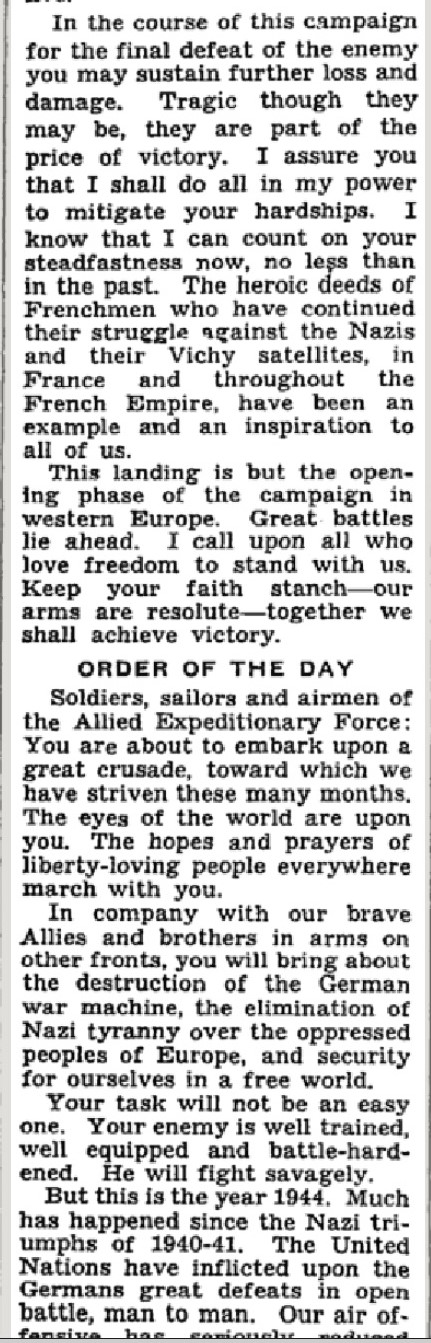
General Eisenhower’s speech June 6, 1944
General Eisenhower speaking to soldiers on the evening of June 5, 1944
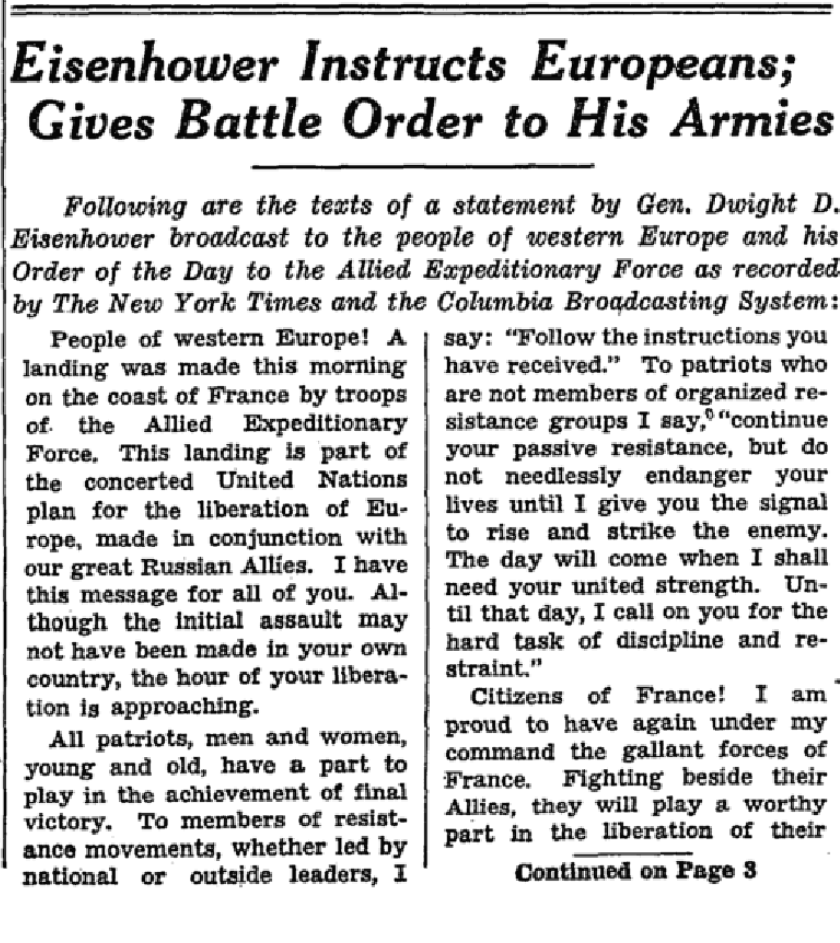
New York Times coverage of Operation Overlord.
The German Occupation of France started on May 10, 1940. On June 18, 1940 General Charles de Gaulle gave a speech in which he almost predicted the Allied invasion of Normandy to liberate France from the Nazis.





























 mimisawhney.com