Kafka – Sunday Seven

We started reading Czech author Franz Kafka’s The Metamorphosis in English last week and I am still trying to understand what I am supposed to make of this book. On its surface it’s quite simple – if one allows for all suspension of disbelief – a salesman goes to sleep a normal human being and wakes up a bug  and seriously what kind of life did Kafka live to have such a wild imagination. I realize we are dealing with deeper issues like an existential crisis – but still what an imagination. I decided to find interesting quotes by Kafka for this week’s Sunday Seven.

  • A book must be the axe for the frozen sea within us.
  • In man’s struggle against the world, bet on the world.
  • Slept, awoke, slept, awoke, miserable life.
  • I usually solve problems by letting them devour me.
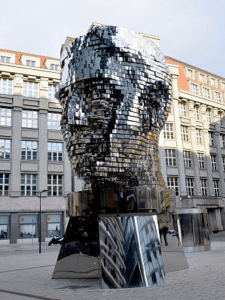
Kafka Sculpture in Prague
  • They say ignorance is bliss….they’re wrong.
  • God gives the nuts, but he does not crack them.
  • Anyone who keeps the ability to see beauty never grows old.

And my favorite:

  • How about I sleep a little longer and forget all this nonsense.
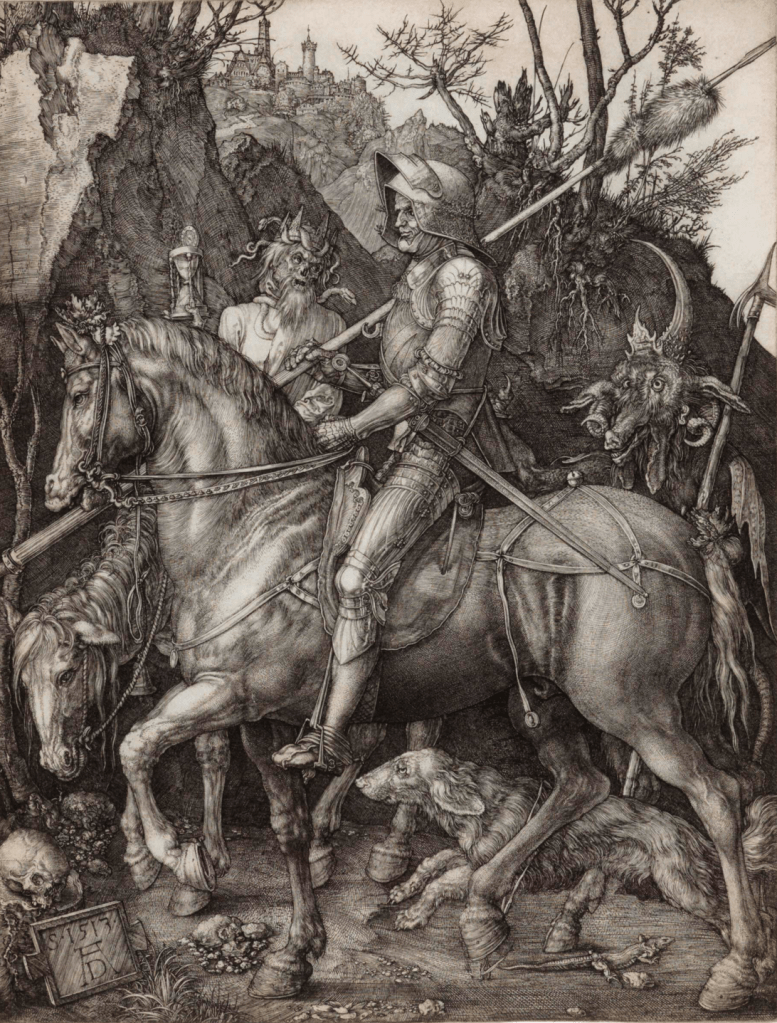
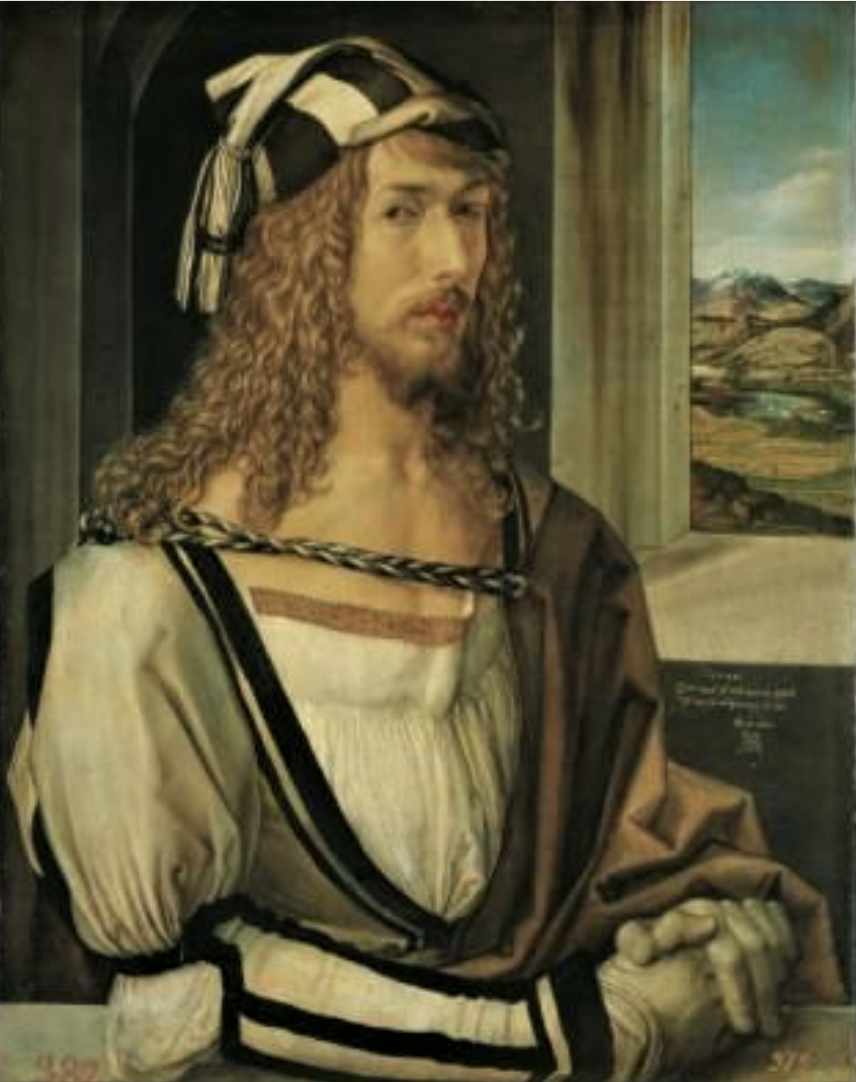
Happy Birthday Herr Dürer

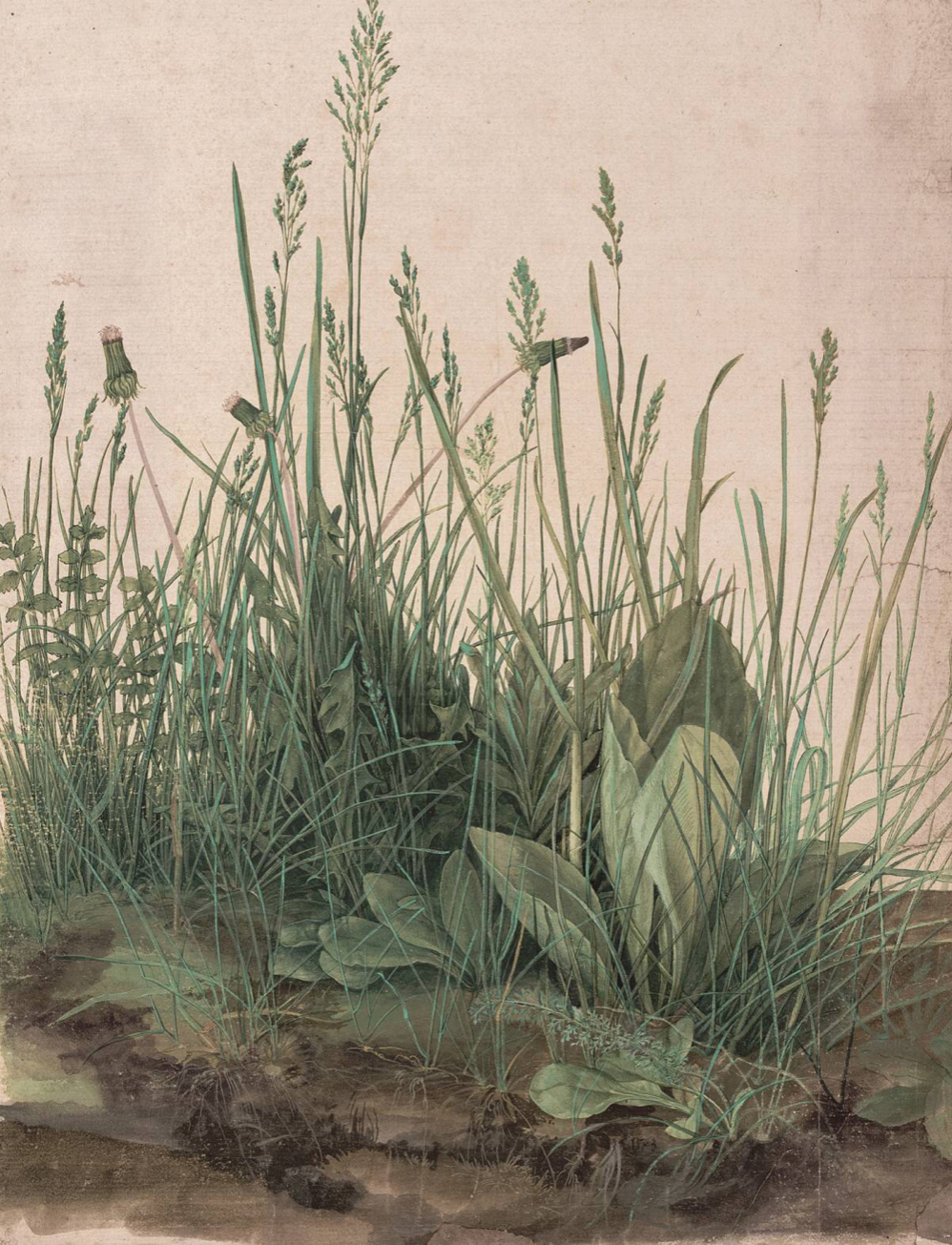
Born on May 21, 1471, Albrecht Dürer was one of the finest – and certainly the most popular – German artist. He lived and painted at the same time as Michelangelo and Leonardo, and brought the Renaissance from Italy to Northern Europe. His art brilliantly embodied the theories of perspective and proportion, and his works show an amazing passion for realistic detail.

He was born in Nuremberg, Germany, and other than when he went to the Netherlands and then Italy for training, he lived there his entire life. He was a child prodigy and a versatile artist – his travels allowed him to combine the detailed realism of Netherlandish Renaissance Art with the beauty of Florentine Renaissance. He was a master at woodcut engravings and the prints he made from them were extremely popular. His skills in woodcut engraving and printmaking remain unsurpassed to this date. His vast body of work includes altarpieces and religious works, numerous portraits and self-portraits, and copper engravings. The popularity of his prints and their lower cost made them bestsellers – making him the first bestselling artist in the world.

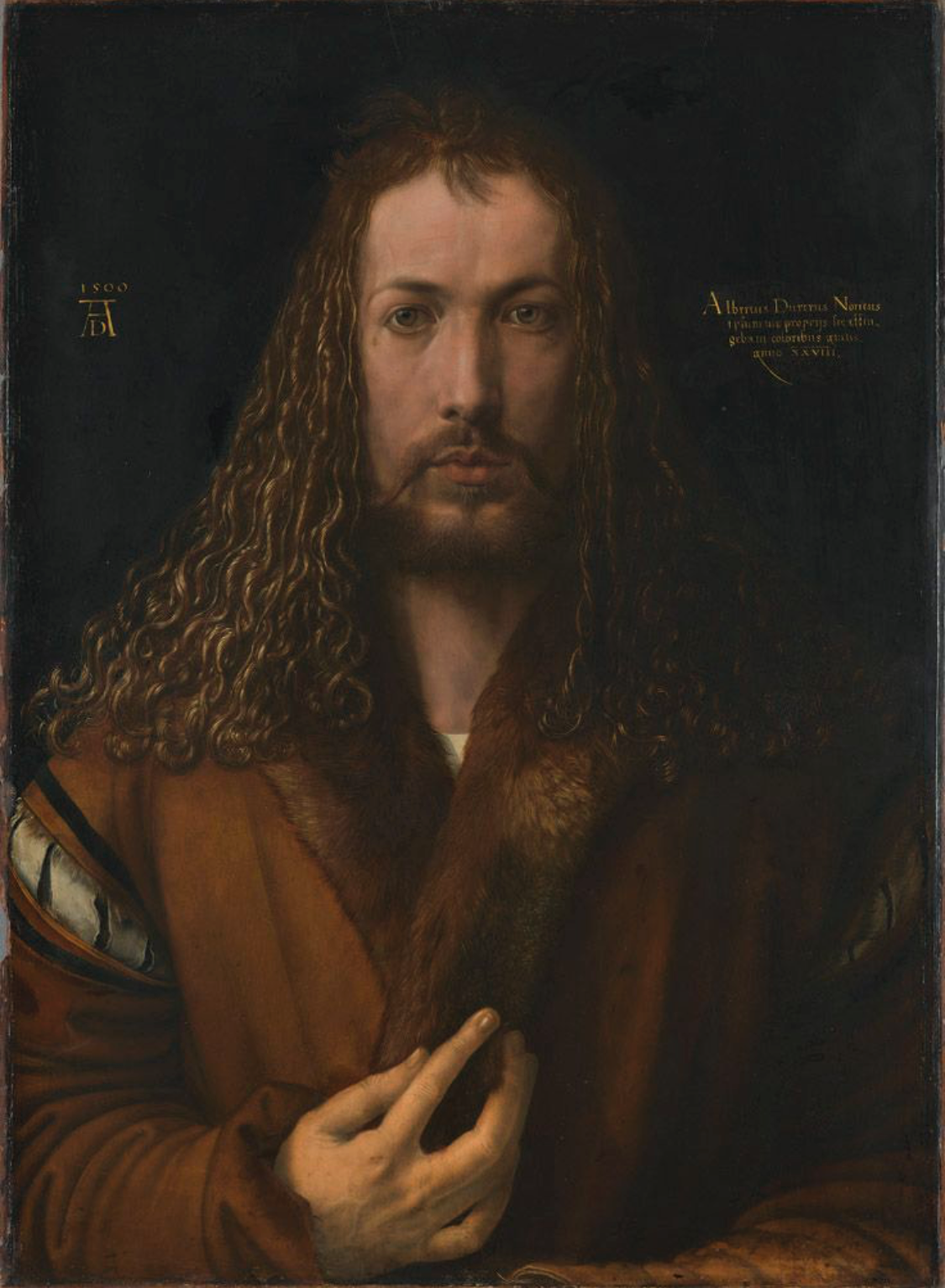
The monumental nature of his paintings, particularly his later self-portrait in which he bears an uncanny resemblance to Christ, and uses his initials significantly as AD 1500 (for the year of the painting) are all for the purpose of giving his profession the elevated stature that artists enjoyed in Italy, in contrast to the craftsman type stature they held in northern Europe. His exquisite self-portraits are breathtaking in every way – and show his journey from child prodigy to a great Renaissance artist.

So Happy 559th to this talented and versatile powerhouse of an artist.

Roman Aqueducts

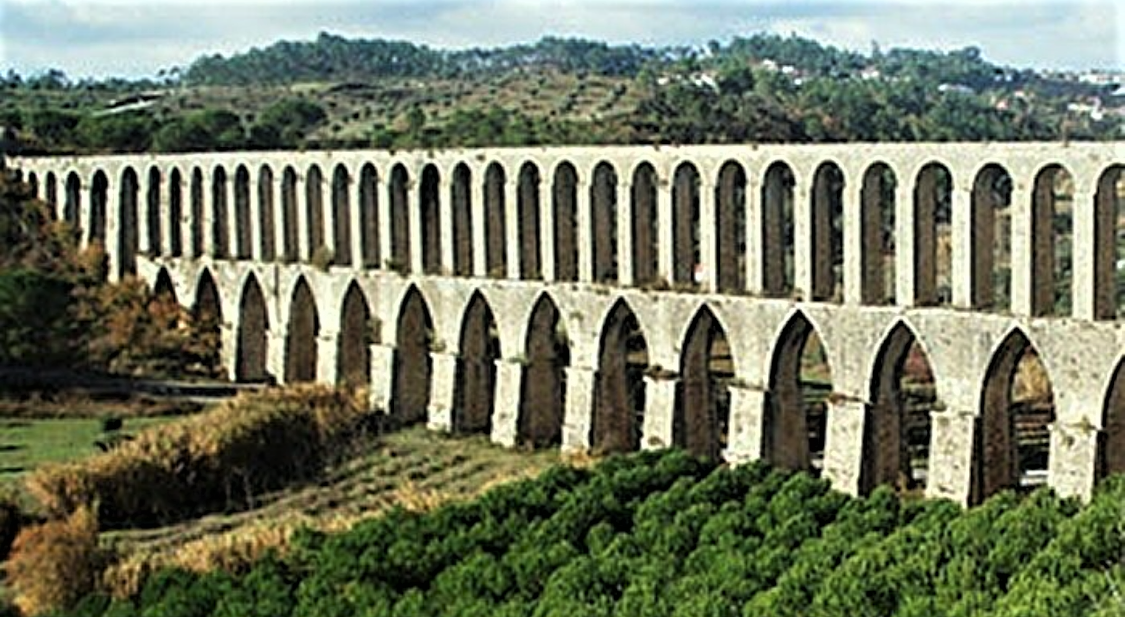
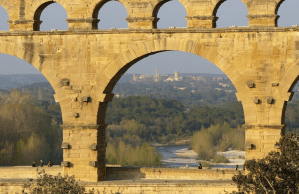
Of all the things the Ancient Romans did, what fascinates me the most are the Roman Aqueducts. These bridge-like structures supported by multiple levels of Roman arches can be seen spanning across valleys in many countries across Europe and North Africa – territories that were part of the Roman Empire.  The aqueducts carried fresh water into Rome’s homes, baths, and fountains. In fact, even today the famous Trevi fountain in Rome is fed by water from an aqueduct that was built in 19 BCE.

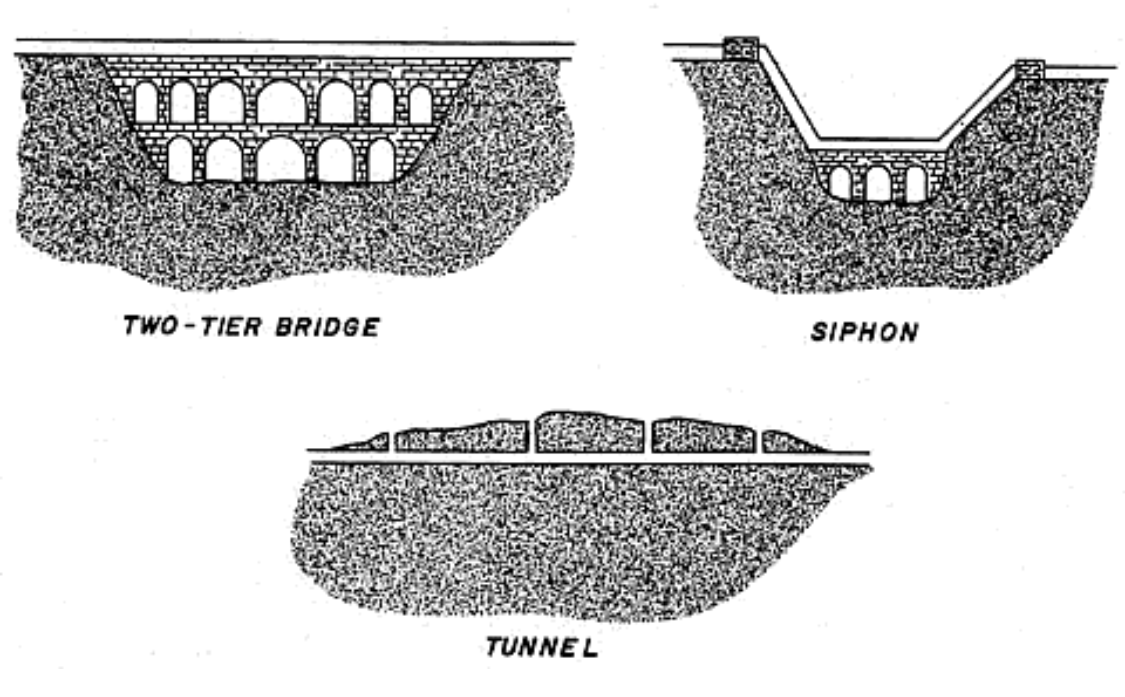
The Romans built the aqueducts from 312 BCE to 226 CE, under the rules of Augustus, Caligula, and Trajan. While the parts above ground are the most recognizable, a majority of the aqueducts were laid below ground – and are made up of underground tunnels, pipes, and canals. Of a total of 420 kms of aqueducts, only 50 kms are above ground.

The water flowed from dams, reservoirs, and other sources towards Rome because of gravity. The entire aqueduct system had to have just the right gradient – too much and the water would flow too fast particularly into Rome and burst the pipes, too low and the water would stop flowing. The Romans used rivers and riverbeds to learn about gradient technology to allow water to flow at the correct speed. The engineering knowledge the ancient Romans must have possessed to achieve this feat is remarkable.

Ancient Roman Aqueduct

Once the water arrived in Rome, it went into a large storage reservoir called the main castellum. From the castellum, the water traveled to different parts of Rome in smaller channels, and entered a secondary castellum, from where it further branched until it reached its final destination like the Trevi fountain.

The ancient Romans built 11 aqueducts in all. Some of the Roman aqueducts are Aqua Claudia, Aqua Appia (oldest), Aqua Anio Vetus, Aqua Marcia (could take water up to Palatine hill), Aqua Alexandina (last one built), and Aqua Traiana.

Pont du Gard, Nemes, France

Trentino or Quarantino

It almost sounds like I’m going to write about the movie director Quentin Tarantino – but I’m not – not that it’s not the most fascinating name – but I’m actually  writing about something that’s been on everyone’s mind a lot lately – Quarantine.

Quarantine comes from the Italian word Quarantino, which comes from the Latin word quaranta giorni – which translates to “space of forty days.” The policy of quarantine was first enforced during the bubonic plague in 1348 in Venice. Ships carrying sailors and cargo had to stay on the ship in Venetian lagoons for 40 days before they could enter Venice.

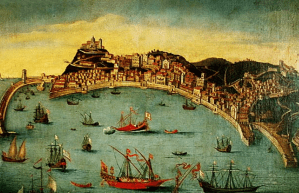
Medieval Dubrovnik

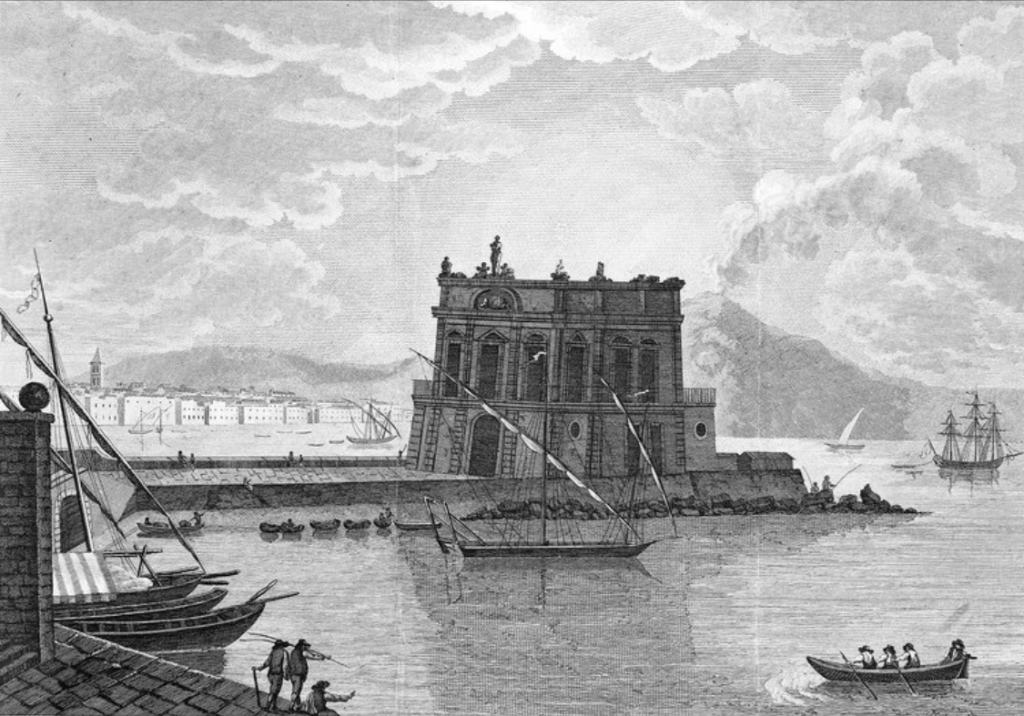
Even before the Venetian quarantine the city of Dubrovnik in Croatia became the first to pass laws requiring a mandatory order for all inbound ships and sailors to stay away from the city for a period of 30 days for fear of carrying infection into the city. The sailors were sent to an uninhabited rock island for 30 days – and this was called trentino. This is the first known evidence of isolation and is remarkable that the officials of Dubrovnik had this much understanding of diseases and incubation.

Biblical importance of 40 days

The 30 days was later changed by Italians to 40 days – and this makes us question – why 40 days? The period of 40 days has numerous biblical references – and may have been picked for that reason. According to the bible when God flooded the earth it rained for 40 days and 40 nights, and Jesus fasted in the wilderness for 40 days. Even today, in many countries, women have to rest for 40 days after childbirth.  

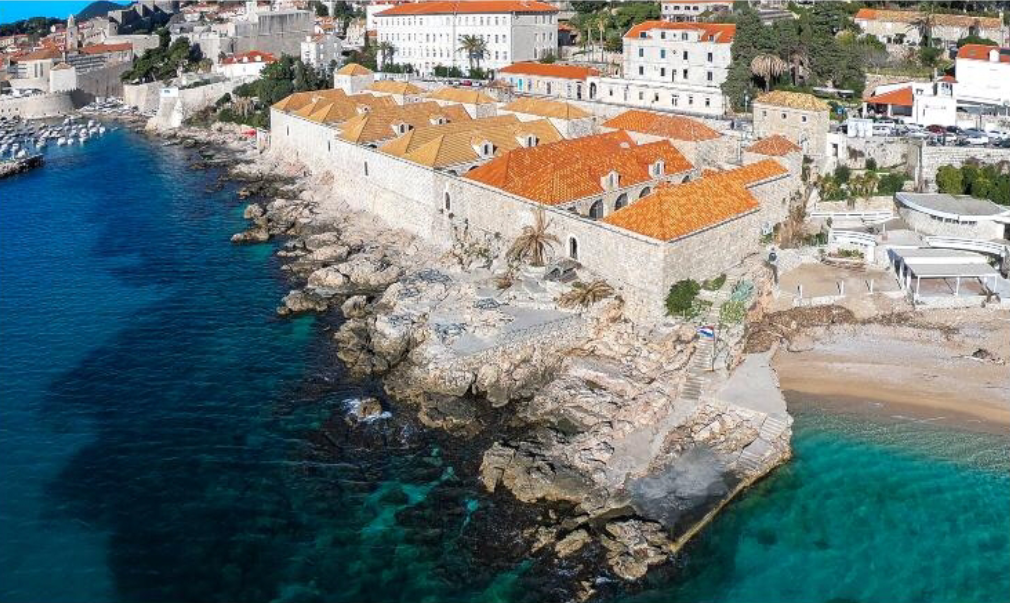
Another interesting and related term is Lazaretto – which is the place where the quarantine took place, or a place where people with diseases, especially lepers, stayed. The term traces its origin to the biblical Lazarus who was covered in sores. So for instance the rocky island near Dubrovnik where the quarantined (or should I say trentined) people were sent would be a lazaretto.

Dubrovnik Lazaretto

Sunday Seven – Mother Teresa

Mother Teresa is considered one of the greatest humanitarians of the 20th Century. She was a nun and a missionary who dedicated her life to helping the orphans in Calcutta (India). She received the Nobel Peace Prize in 1997, and was canonized as Saint Teresa of Calcutta after her death in 1997. On this Mother’s Day Sunday, I want to dedicate my Sunday Seven to her quotes.

  • A life not lived for others is not a life.
  • I alone cannot change the world, but I can cast a stone across the waters to create ripples.
  • Be faithful in small things because it is in them that your strength lies.
  • If you can’t feed a hundred people, then feed just one.
  • It is a kingly act to assist the fallen.
  • Peace begins with a smile.
  • We fear the future because we are wasting today.
  • Do ordinary things with extraordinary love.

“the German War is at an end”

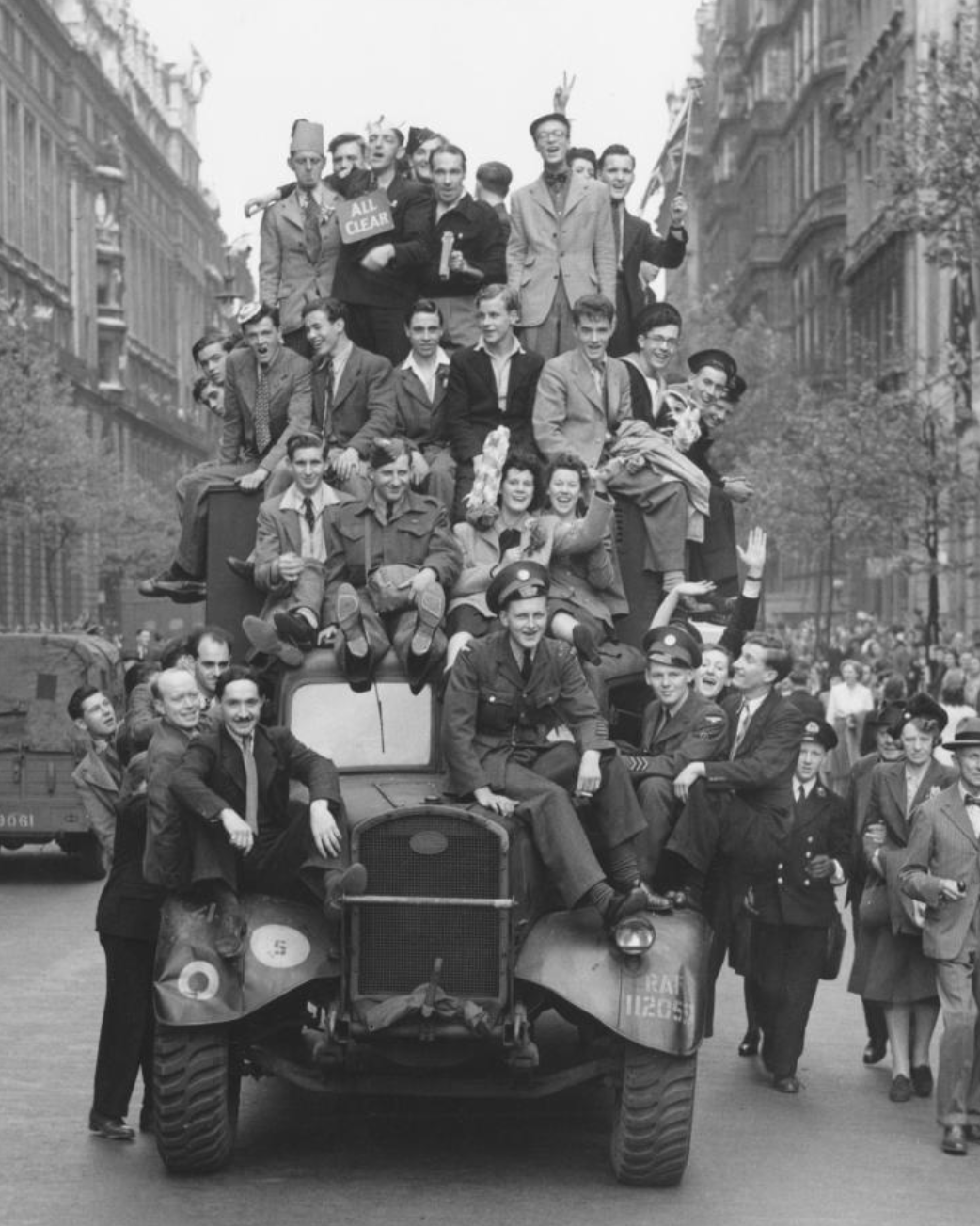
This is how Prime Minister Winston Churchill announced the end of World War II 75 years ago today. On May 8, 1945, after six years at war in which millions of young lives were lost, the guns finally fell silent over Europe. The Allies defeated Adolf Hitler and Nazi Germany, and the day became known as VE – Victory in Europe – day.

75 years later the generation that fought this war remains undoubtedly the greatest generation. The sacrifices made by the young men and women of this generation defy understanding, and we owe them an unpayable debt of gratitude for the freedoms we all take for granted. The men that fought this war, those that are still alive, continue to inspire and amaze us to this day. One such hero is World War II veteran captain Tom Moore who turned 100 years old on April 30th.

Captain Tom celebrating his 100th birthday

War veterans like Captain Tom know how to inspire – they have seen the worst of humanity, they have lived to tell about it, they choose to see the positive instead of dwelling on the negative. Captain Tom has singlehandedly brought the UK – perhaps even the world – together at this time – across generations and across all financial and racial boundaries. Captain Tom, a lifelong fan of Britain’s Health system (NHS) decided to walk a 100 laps of his garden by his 100th birthday to raise $1200 for the NHS.

Captain Tom completing his 100th lap for charity
Captain Tom as a young man in the army.

A world dealing with a pandemic found its hero – and Captain Tom raised $40 million. He received 125,000 cards on his birthday, a Royal Air Force flypast, and a possible knighthood. And like all people of his generation, Captain Tom told the world to remain positive and hopeful: “For all those finding it difficult: the sun will shine on you again and the clouds will go away.” What an amazing man!!

As the world battles with an enemy of a different sort, on this day when six years of darkness ended, we should pause and remember the heroes of World War II that sacrificed so much, and learn to live life with the same grace that they showed during and after the war, and continue to show to this day.

It’s May Day!!

There’s Mayday and there’s May Day – the 1st day of the month of May which falls right in between spring equinox and the summer solstice.

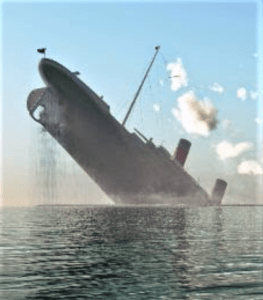
Mayday, Mayday, Mayday!!

Mayday, Mayday, Mayday !!– interestingly has nothing to do with the lovely month of May. It’s the international signal for a distress call over the radio – and it has to be used only when the distress is real, life-threateningly real. And it has to be said three times so there is no confusion over static radio signals as to what the caller is saying.

Mayday as a distress signal started in 1923, when a radio officer at the Croydon Airport in London came up with this term – primarily because it sounded like the French word for help me m’aider. Also it had no ‘s’ or other sounds which tend to get lost over radio signals. For non-life-threatening issues the signal is pan-pan pan-pan pan-pan which is a derivation of another French word “penne,’ which means breakdown.

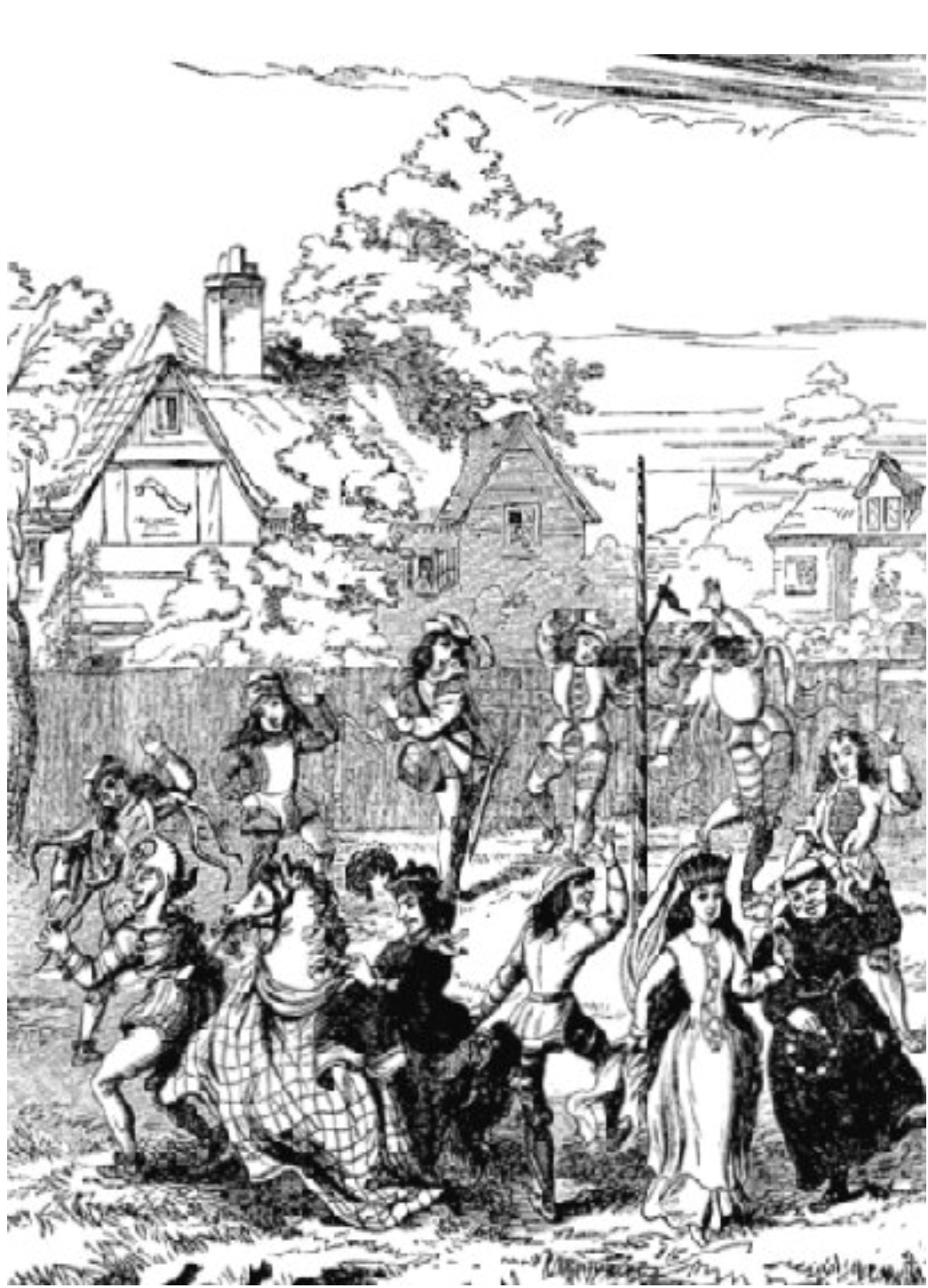
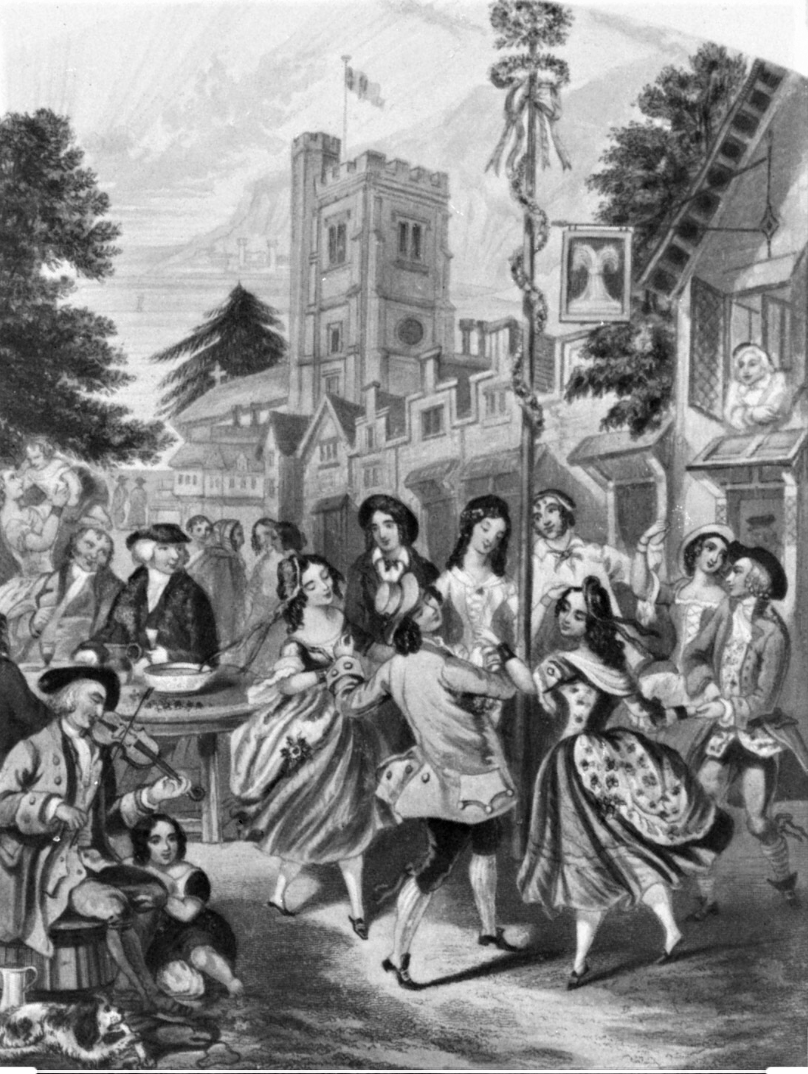
May Day on the other hand is a word that relates to this day which traditionally is celebrated with May flowers in baskets and dancing around maypoles. All across Europe, the seeds sown in springtime had started to sprout and this was cause for celebration – cattle were driven to pasture, special bonfires were lit, and people decorated their front doors and filled baskets with May flowers. Many of these festivities were shunned by the Puritans, and traditional May Day celebrations never really took hold in the US.

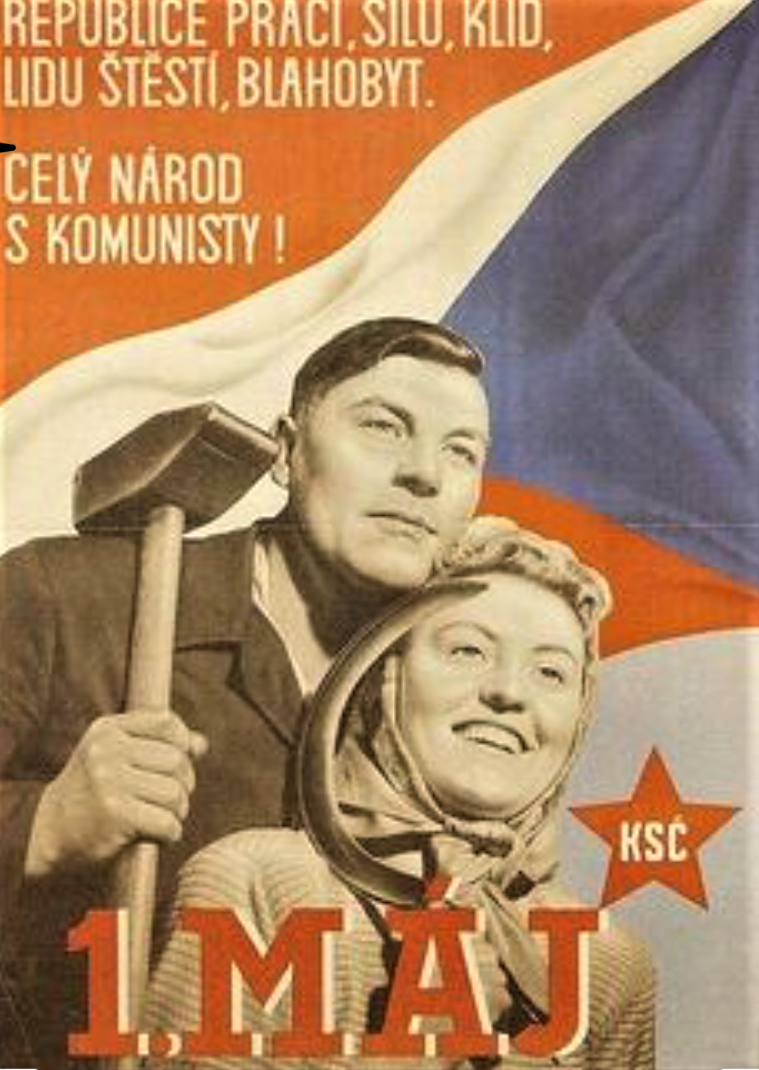
Starting with the 19th Century May Day took on a new significance – it became the International Workers’ Day –  a day that celebrates the struggles and gains made by the labor movement such as the fight for an 8 hour work day in the US. May 1 was chosen as Workers’ Rights Day in 1889 as an homage to the May 4, 1886 Haymarket Riots in Chicago. The communist states embraced this day and used it unite workers against capitalism. It became famous for the spectacular annual May Day parade in the Red Square in Moscow. After the decline of communism, the importance of this day diminished in the communist countries.

(Images courtesy Old Farmer’s Almanac).