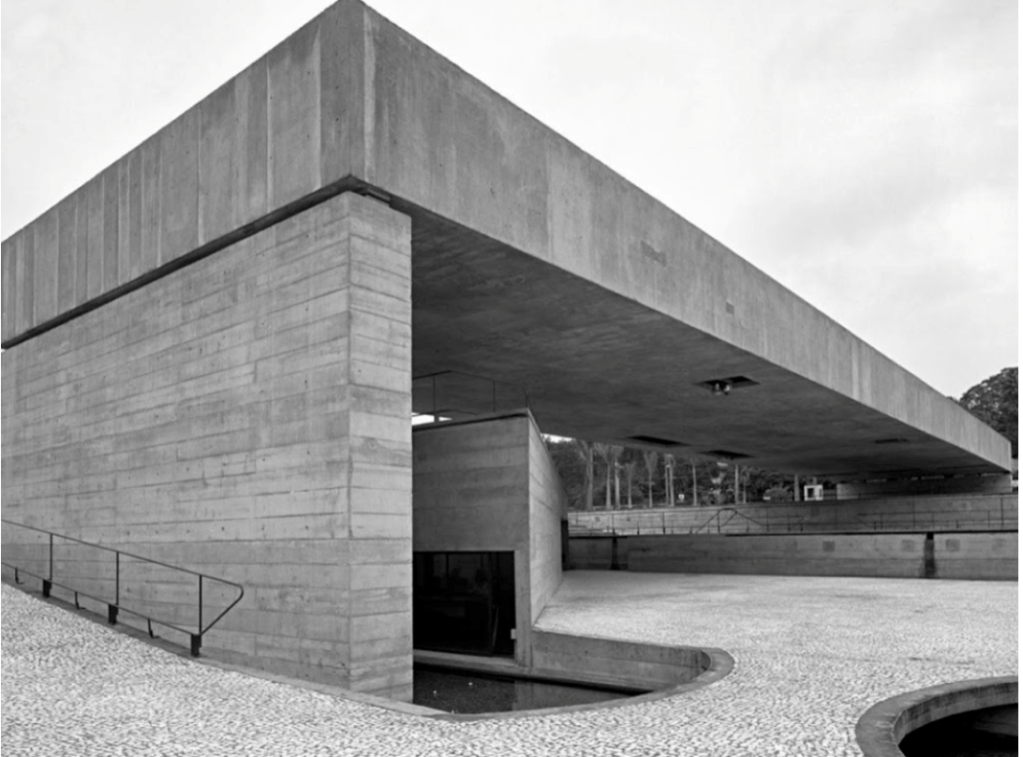
Brazilian architect Paulo Mendes da Rocha, responsible for a number of the brutalism inspired buildings in Brazil, died at the age of 92 earlier this week. He was part of the iconic generation of modern Brazilian architects from the Paulista School whose open and airy buildings made of poured concrete dot the urban landscape of Brazil. Because of his contribution to the architecture of Brazil, he was awarded the coveted Pritzker Architecture Prize in 2006.
Month: May 2021





Little Peach Swords
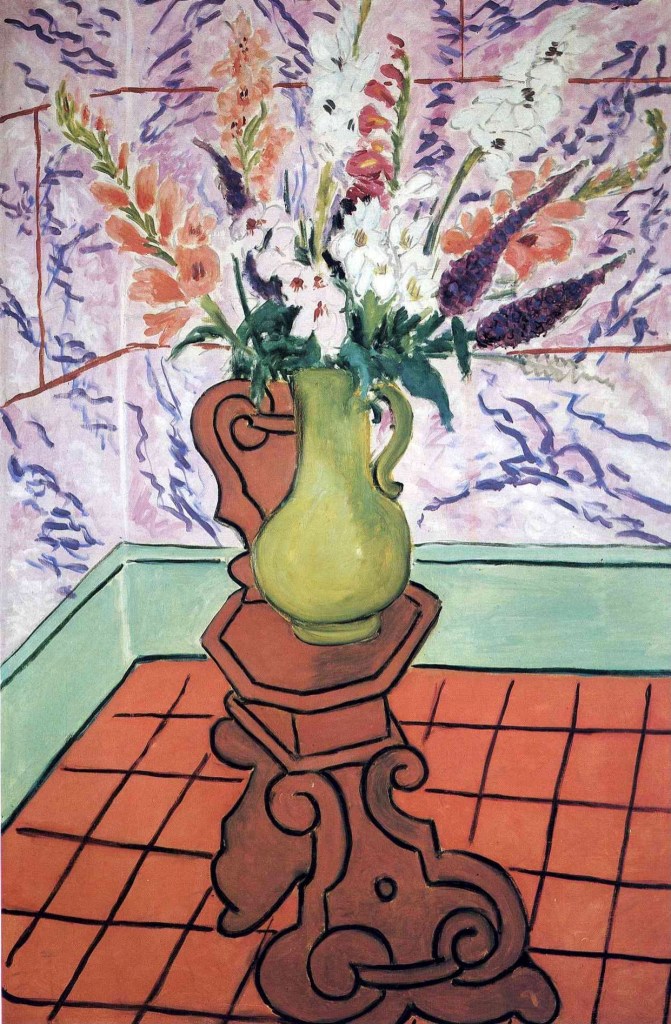
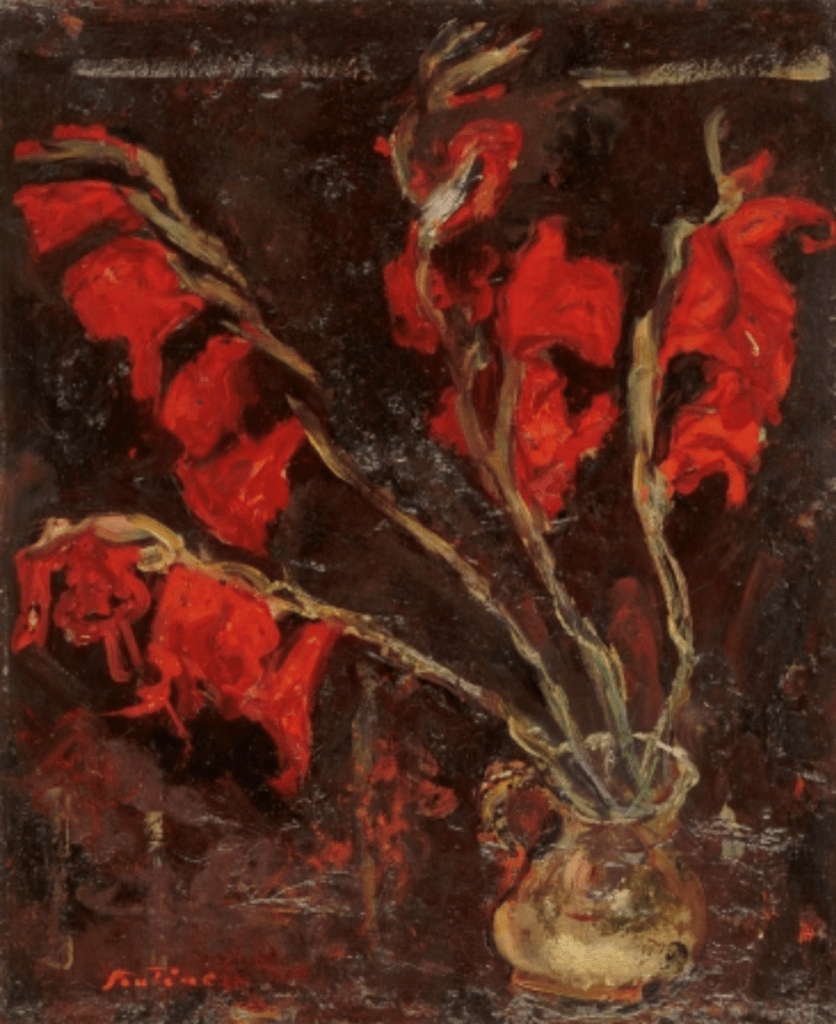
When I think of flowers at home in vases, the first ones that come to mind are long peach gladioli. These beautiful flowers -which come in many more colors and share a name origin with Roman gladiators – are named after the Latin word “gladius” or little sword due to their shape. The flowers were named by Roman naturalist and author of Naturalis Historia, Gaius Plinius Secundus aka Pliny the Elder (23 – 79 AD).
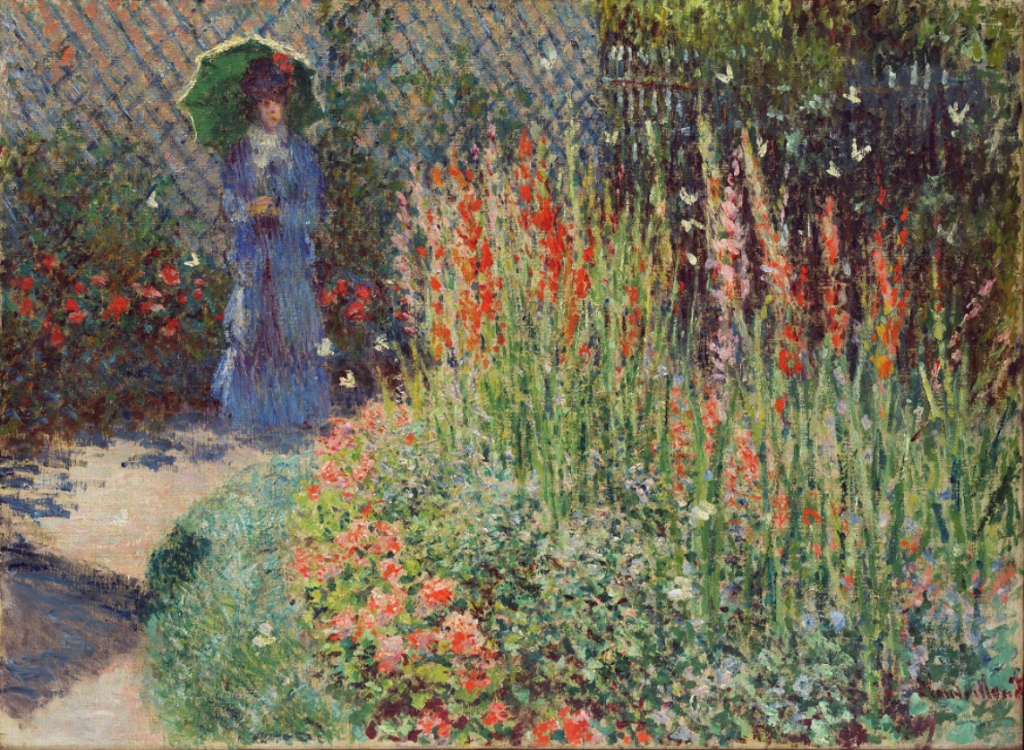

The Dutch have a saying – there’s always a Dutch saying I’m coming to realize – “de dood of de gladiolen,’” meaning “death or the gladiolus,” which basically means “all or nothing” – where the “all” is the gladiolus. The saying alludes to the Roman custom of throwing gladioli at victorious gladiators in the amphitheaters. It’s interesting that they were throwing gladiolus at the gladiators because I have also read that these flowers (from Asia and Africa) were not grown in Europe until the 18th Century – I can’t imagine how the Roman public had that many imported – and expensive- gladiolus to throw into the amphitheater.
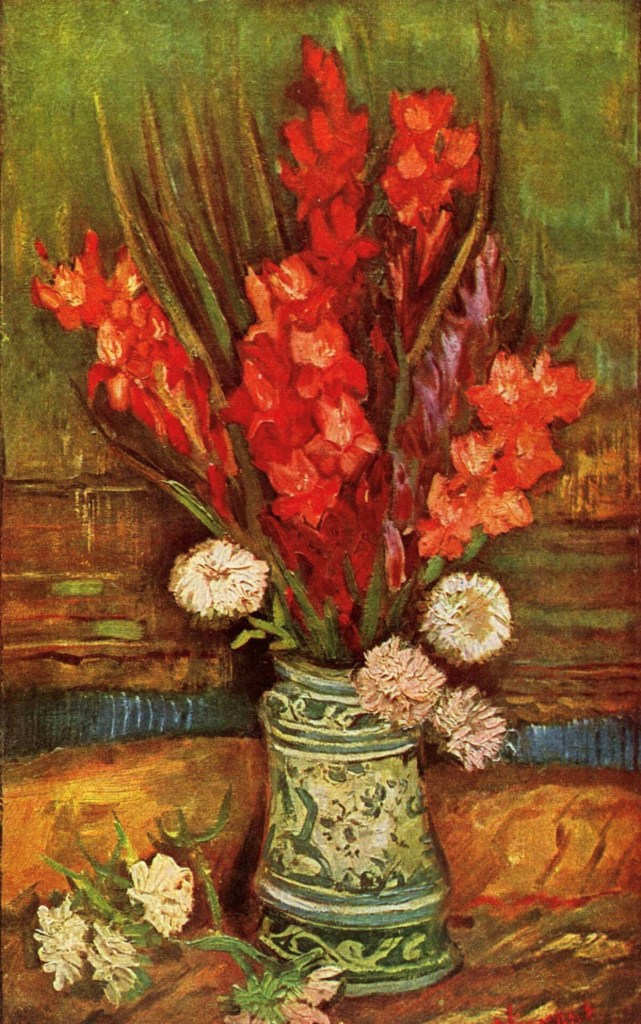

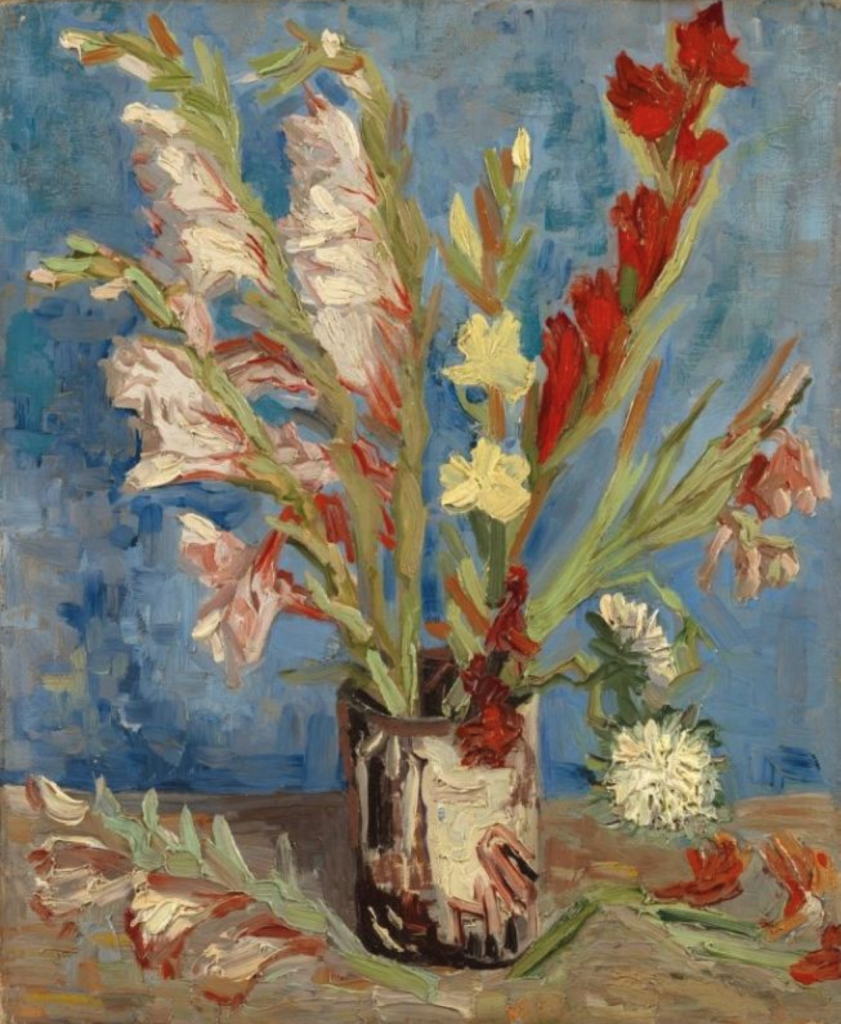
They are my mom’s favorite flowers and since Mother’s Day was last weekend, I decided to write about them. The flowers symbolize honor, remembrance, strength of character, never giving up, and infatuation. The Victorians used these flowers to express their feelings when they themselves could not speak of them – again that’s a lot of imported flowers especially considering how shy the Victorians were about expressing any kind of feeling. Interestingly, “gladiolus” was the 1925 Spelling Bee word that the champion spelled correctly to win the tournament.
 mimisawhney.com