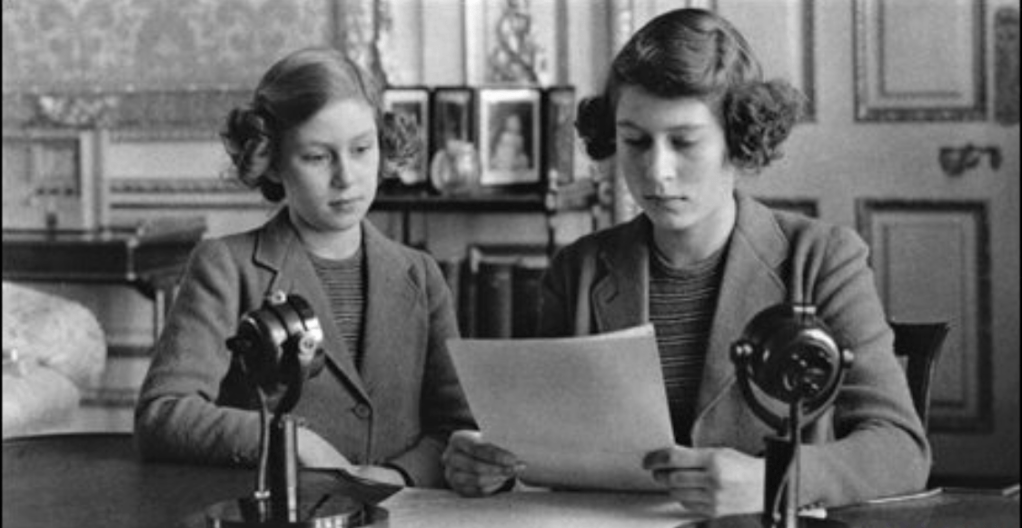
Today I heard a speech by Queen Elizabeth on TV – she was speaking to her nation to remain united and resolute in the face of the current epidemic. What was startling for me about the speech was that she referred to a speech she and her sister gave in 1940 – that was 80 years ago!! I can’t imagine that there is any other world leader, part or present, that can say that. That got me thinking about all the brilliant, funny, and poignant things she may have said over the course of these years, and I decided that I would find some of the ones I liked and make that my Sunday Seven for this week.
We know, every one of us that in the end all will be well; for God will care for us and give us victory and peace. And when peace comes, remember it will be for us, the children of today, to make the world a better and happier place (Radio address to the children of the Commonwealth on Oct 13, 1940).
It has been women who have breathed gentleness and care into the hard progress of humankind.
The upward course of a nation’s history is due in the long run to the soundness of heart of its average men and women.
I declare before you all that my whole life, whether it be long or short, shall be devoted to your service and the service of our great imperial family to which we all belong.
Work is the rent you pay for the room you occupy on earth.
It’s all to do with the training: you can do a lot if you’re properly trained.
True patriotism, doesn’t exclude an understanding of the patriotism of others.
In remembering the appalling suffering of war on both sides, we recognize how precious is the peace we have built in Europe since 1945.
..my strength and my stay..
He has, quite simply, been my strength and my stay all these years, and I and his whole family, and this, and many other countries, owe him a debt greater than he would ever claim or we shall ever know. (About her husband Prince Philip).
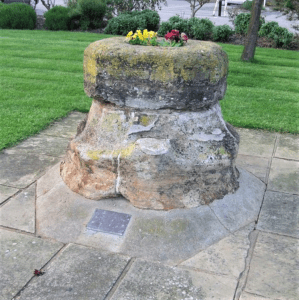
Many comparisons are being made nowadays of the current pandemic to Spanish flu in the early 1900s and the bubonic plague in the 1500s. Then, as now, the quickest way to stop the spread of the disease was through voluntary and enforced quarantines and keeping a safe distance from others. In towns across England one such reminder, of the social distancing that occurred, remains to this day.
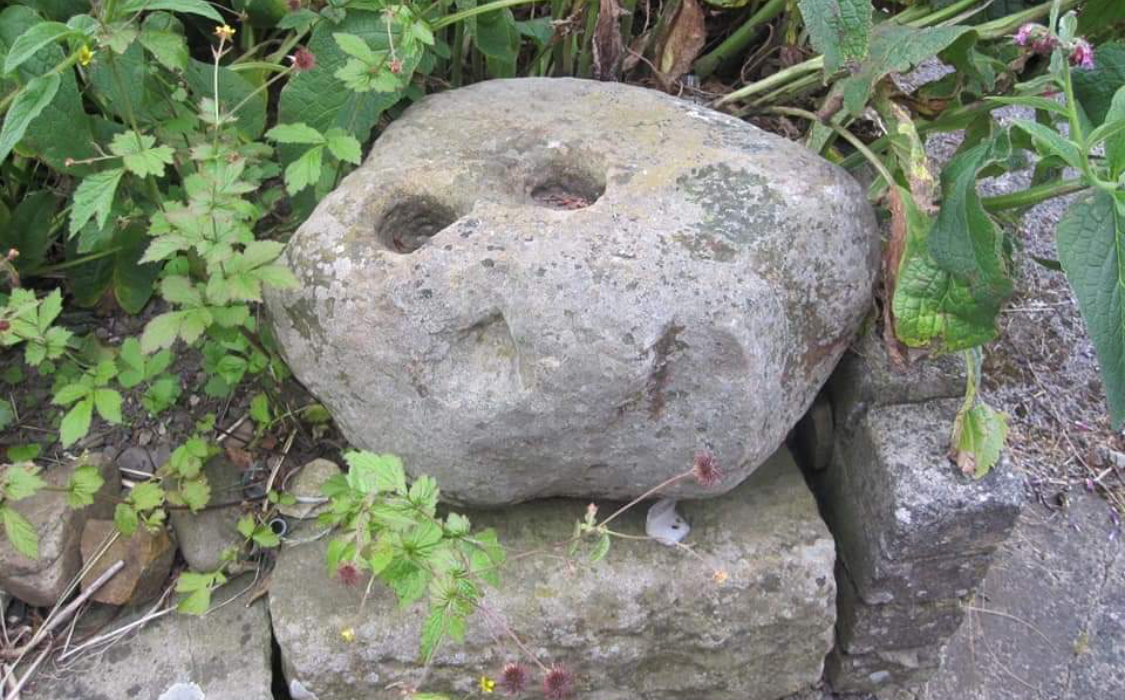
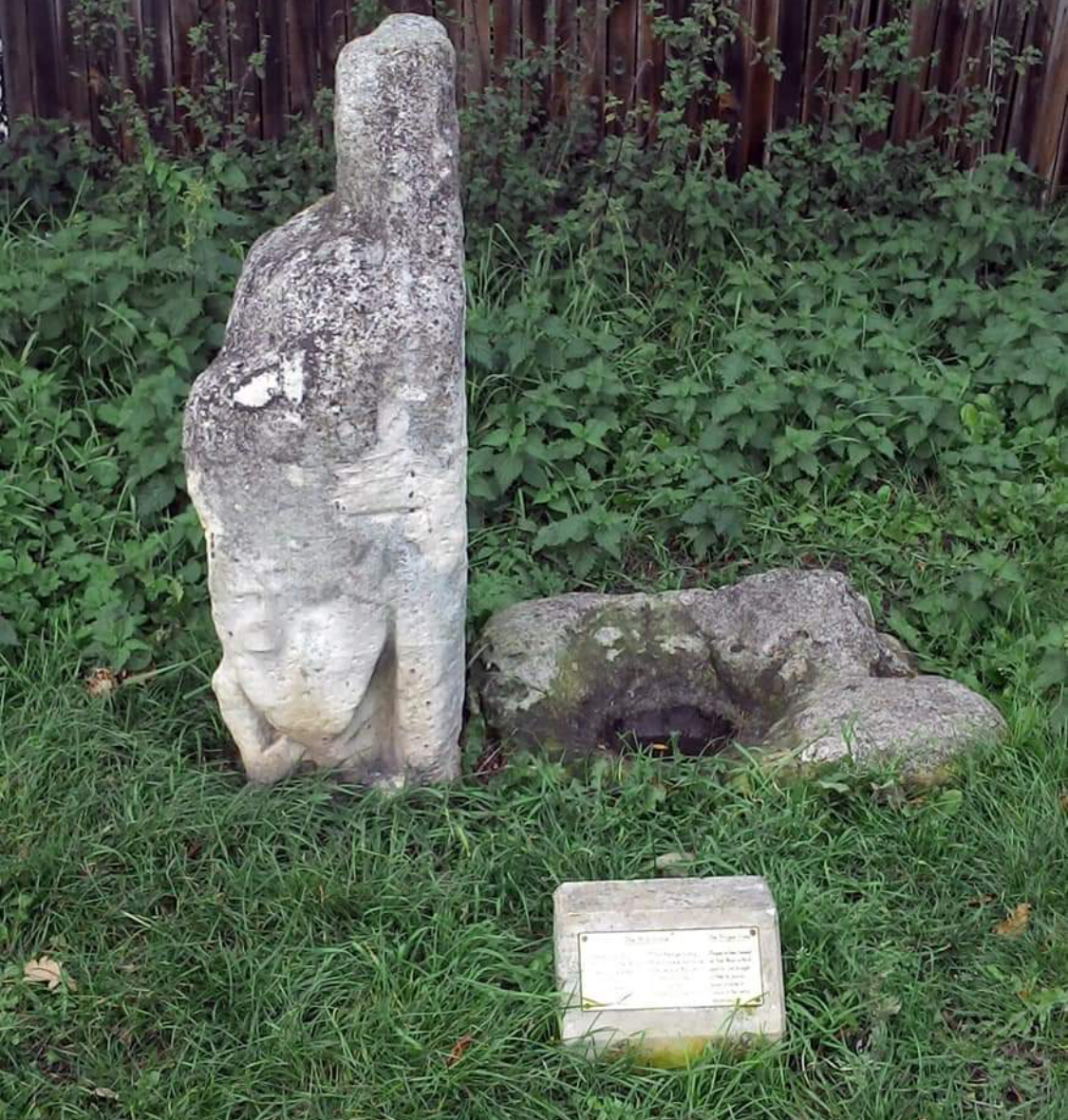
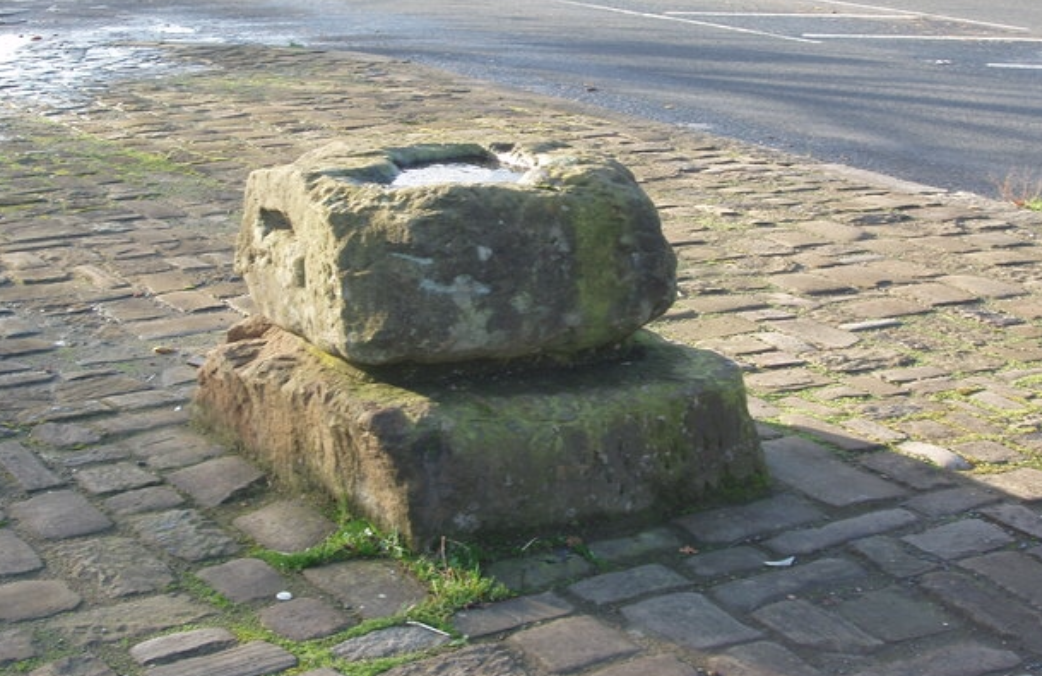
Sitting unnoticed beside main roads, or near the outskirts of many towns all across England are stones that tell a story of the plague. These Plague Stones were hollowed out from the middle, filled with vinegar, and placed at the edge of town. Farmers were terrified to bring goods to market because of the plague, as a result of which there were severe food shortages in the towns.
People from the town left coins in the vinegar and retreated a safe distance (one would assume of 6 feet or more) away from the stone. Farmers then came to the stone, picked up the – now sanitized with vinegar – coin from the hollow and left their farm produce, eggs, bread, etc. by the stone for the person standing a safe distance away.
And that was how Plague Stones played their part in stopping the spread of the plague the 1500s – they were the contactless delivery of today.
These Plague Stones teach us the importance of social distancing in fighting any pandemic. And more importantly, they teach us the value of knowing our History and learning from it – knowing how our ancestors got through the plague will teach us how to get through our current crisis. (Images courtesy of UK town travel websites– exploreperinth.org.uk etc).
After Independence, it was important for Congress to know the total population of the fledgling nation, and know where its people lived. It was one of the first things that the new Congress instructed the government to do, and they wanted it done every 10 years (which continues to this day).This information was needed to form a representative government and to make the states pay their fair share of the Independence war bill.
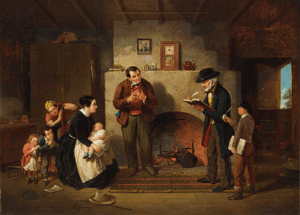
And so on August 2, 1790 – the first census day – the brave counters – also known as enumerators – rode out on horseback to find the people of this country and count them for the first census.
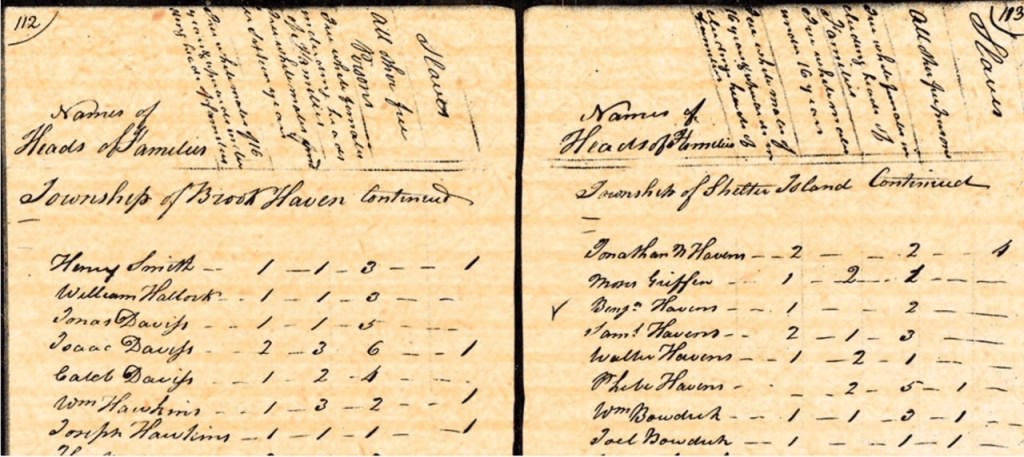
The census listed the head of household and counted 1) The number of free white males age 16 and over (to get a handle on the number of men available for military service) 2) The number of free white females and all other free persons & 3) Number of slaves
There was supposed to be a form for recording the answers, but most often the Marshals had to provide whatever paper they could find to record the information. The census of 1790 took 18 months to complete, and counted 3.9 million people.
Census 1790 – Newburyport, MA
Counting the People
What started in 1790 continues to this day in America. Today, April 2, 2020 is the 24th Census day, and the first that can be filled online.
Last week at a debate tournament, the impromptu speaking event was based on Walt Disney’s quotes – which seemed too perfect to not use them for this week’s Sunday Seven. These quotes make you realize what a happy and positive person Walt Disney really was.
I only hope that we will never lose sight of one thing – that it was started by a mouse.
All our dreams can come true, if we have courage to pursue them.
When you wish upon a star, makes no difference who you are.
It’s kind of fun to do the impossible.
There is more treasure in books than in all the pirate’s loot on Treasure Island.
The way to get started is to quit talking and begin doing.
We keep moving forward, opening new doors, and doing new things, because we’re curious and curiosity keeps leading us down new paths.
When you’re curious, you find lots of interesting things to do.
When you believe in a thing, believe in it all the way, implicitly and unquestionably. The more you like yourself, the less you are like anyone else, which makes you unique.
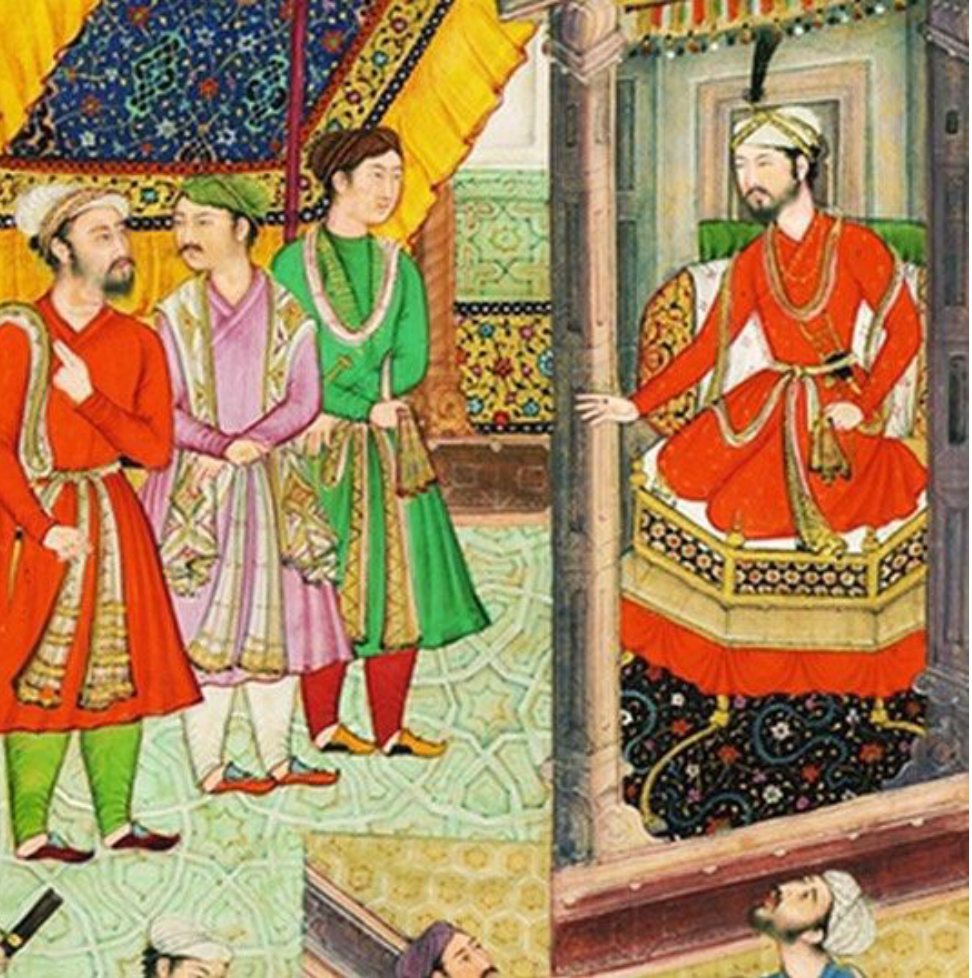
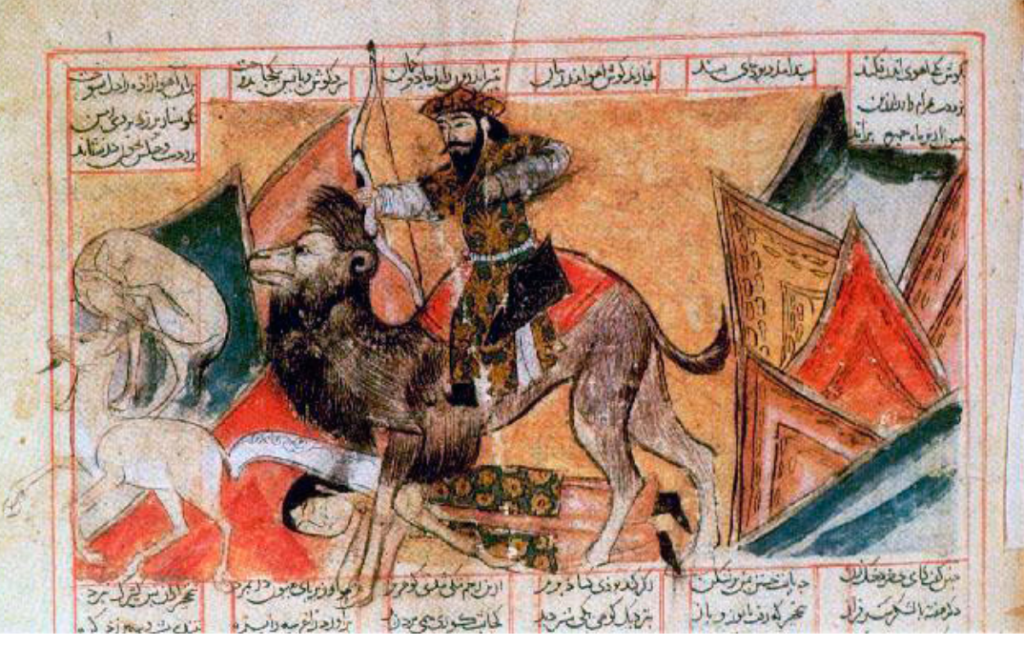
From 420 – 438 CE, there ruled a Sasanian king by the name of Bahram Gor (406 – 438 CE) in Persia. He was a benevolent ruler whose reign was mostly peaceful. He is however mostly remembered for being the favorite protagonist of Persian poets.
Emperor Bahram Gor – a favorite of poets
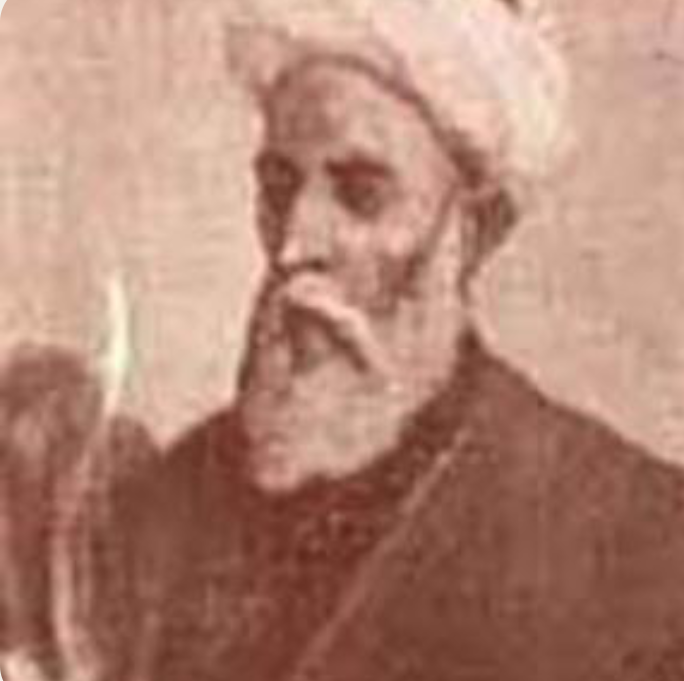
The first poet to write about Bahram was Ferdowsi (940 – 1020), who made him the central figure in Ferdowsi’s epic masterpiece Shahnameh (Book of Kings) written between 977 and 101 CE.
Then in 1197, Bahram was the main protagonist in Nizami Ganjavi’s (1141 – 1209) romantic poem Haft Paykar (Seven Beauties), which was based on the Shahnameh. This was followed in 1302 by the poem Hasht-Bihisht (Eight Paradises) which was written by Amir Khosrow (1253 – 1325), and was based on Haft Paykar. Hasht-Bihisht is also framed around folktales and legends of Bahram Gor. However, in this poem Khosrow added the story of the Three Princes of Serendip.
The Italian Translation
An Armenian, known as M. Christoforo Armeno, who was born in Tabriz, Iran in the 16th Century, and was fluent in both Persian and Italian translated the story of the Three Princes of Serendip from Khusrow’s Hasht-Bihisht into Italian. He told the story verbally to a Venetian printer named Tramezzino who published the story in a small volume of Oriental Tales under the name of Peregrinnagio di tre figluoli del re di Serendippo in 1557.
With this translation, the legends and folklore associated with Bahram Gor finally entered Europe, gained a great deal of popularity, and were translated into German and French. Chevalier de Mailly’s French translation was further translated into English in 1722, and published under the title, The Travels and Adventures of Three Princes of Serendip.
Henry Walpole, 4th Earl of Orford
It was this translation that Henry Walpole (1717–97), son of British Prime Minister Robert Walpole and the 4th Earl of Orford read as a child and remembered long after as an adult when he coined the word “serendipity’ in a letter he wrote to his friend Horace Mann on January 28, 1754.
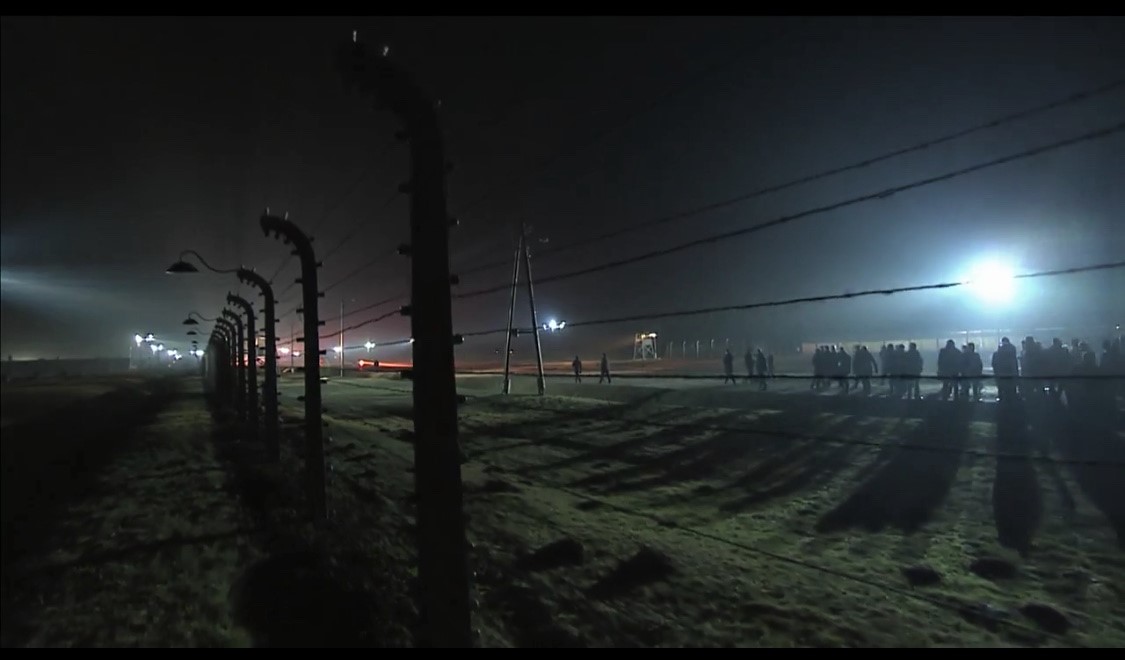
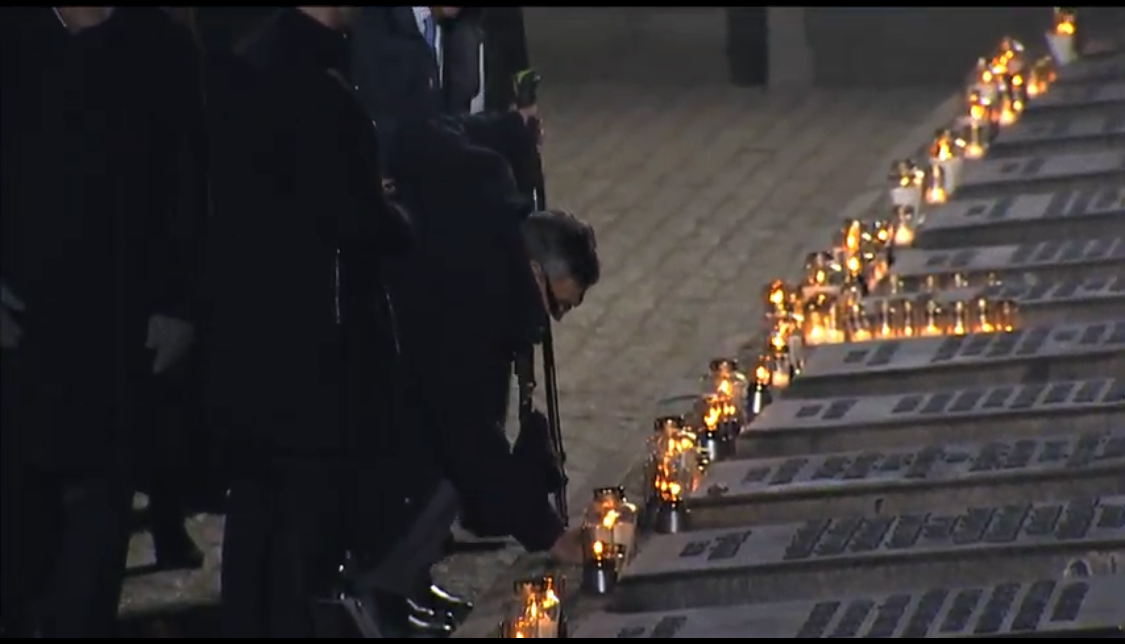
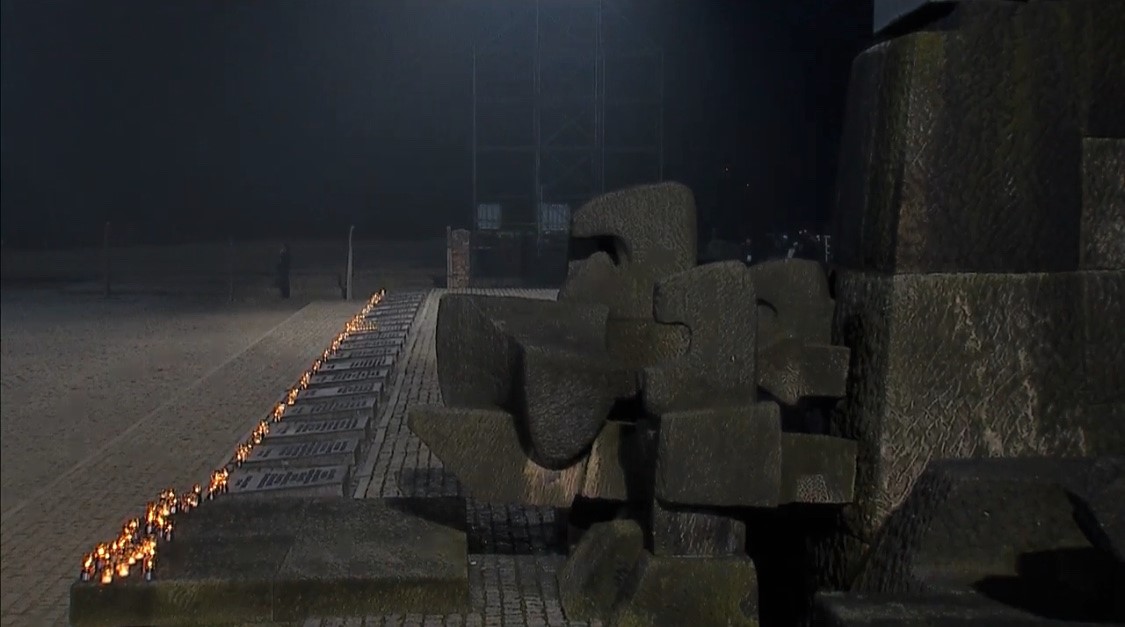
75 years ago today, on January 27, 1945, over 7000 prisoners of the German Nazi camp were liberated by the Soviet Army. It was day 1,689. Nazis had deported 1.1 million Jews, 150 thousand Poles, 23 thousand Roma, 15 thousand Prisoners of war and 25 thousand others to Auschwitz between 1940 and 1945. 1.1 million Jews were murdered. ( All images:@AuschwitzMuseum)
Arbeit Macht Frei – Work makes You Free. The sign was made by an inmate who put the upside down B as a gesture of defiance.
On Jan 27, 1945 – 75 years ago – the Soviet Army liberated over 7000 prisoners at Auschwitz. These quotes are from survivors of Auschwitz, with the exception of the first quote that is so powerful that I wanted to include it in this list.
Wenn es einen Gott gibt muse r mich um Verzeihung bitten. (If there is a God, He will have to beg my forgiveness). Unknown, Mauthausen Concentration Camp prison cell wall.
All of a sudden you are told to leave it all and walk out with a single suitcase. Irene Fogel Weiss, Survivor
I realize that loss of faith in people is more devastating than loss of faith in God. Irene Fogel Weiss, Survivor
I had survivor’s guilt. Edith Eger, Survivor.
So, let us be alert – – alert in a twofold sense. Since Auschwitz we know what man is capable of. And since Hiroshima we know what is at stake. Victor E Frankl, Man’s Search for Meaning.
No matter what I accomplish, it doesn’t seem like much compared to surviving Auschwitz. Art Spiegelman, Maus II: A Survivor’s Tale: And Here My Troubles Began.
To remain silent and indifferent is the greatest sin of all. Elie Wiesel.
Words can sometimes, in moments of grace, attain the quality of deeds. Elie Wiesel.
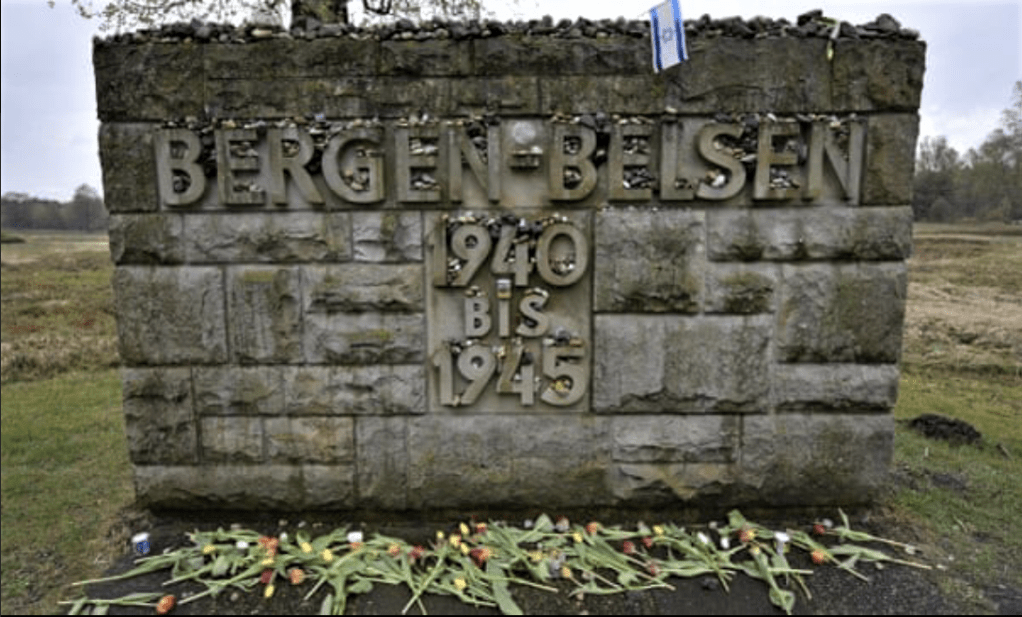
Today, I read a series of incredible tweets by Daniel Finkelstein (@dannythefink) about his mother’s release from Bergen-Belsen Camp 75 years ago. I am sharing them here exactly how he tweeted them.
“This week I will be tweeting about my mother’s release from Belsen, 75 years ago.
75 years ago today, my grandmother Margarethe Wiener appeared before German medical examiner at Bergen-Belsen to prove she was medically fit to be used in a prisoner exchange. She was almost too weak to stand but with freedom at stake for her girls she somehow managed to pass.
The Germans wished to avoid the allied countries seeing how ill and weak the Belsen prisoners were. 20 January 1945.
At 9 am on the 21st January 1945, my grandmother and her three girls, Ruth and Eva (my aunts) and Mirjam (my Mum then 11 years old) are taken from their barracks and placed in a quarantine area. Then they were taken for a shower. The stood waiting not knowing what would come out.
It was water. They are given a meal. It is soup as usual, but it had “actual bits of potato in it” my mother remembers. It’s a proper train not a cattle truck. Their false Paraguayan passports, even though they have expired seem to have done the trick.
The documents have made them eligible for exchange with Germans who wish to return from allied occupied countries. 50,000 people died in the supposed exchange camp of Belsen. But little more than 300 people are ever exchanged. This train carries some of these few.
But the story isn’t over yet.
January 22nd 1945. My Aunt Ruth had been keeping a diary. She’d won a pocket one in a magazine competition just before arrest. So she made little short entries, just a few words because the pencil was tiny and if it ran out she wouldn’t be able to get another one.
She had recorded camp events such as “special meal: peas soup” or somehow making a homemade belt for my mother’s 11th birthday. Days of sickness and many punishments are recalled. On 20 December 1944 through the barbed wire Ruth notices friends in the next door camp section.
She writes in her diary. “Margot and Anne Frank in the other camp”.
On this day, 22 January 1945 as the train heads to freedom, she writes only “train trip via Berlin”.
On 23rd January 1945 there is a calamity. The Germans decide they have too many people on the train. More than half will have to leave the train before freedom in Switzerland. My Aunt records them in her diary as being at Ravensbruck camp on this day.
My mum remembers it as bitter cold and that expulsion from the train surely meant death for them all. By this point my grandmother was desperately weak and ill. An SS Guard comes through their carriage and says to the “Off!”.
Ruth (the oldest sister) says they cannot get off. Their mother is too ill to move. They cannot move her. The guard pauses, shrugs, says “Stay then” and passes on to the next carriage. In this moment their lives are saved.
24 January 1945. There is one more day before the train reaches freedom. Today some more of the prisoners are moved to a civilian internment camp, where many survive the war, but some do not. The Wiener family continues to the border. Tomorrow will come the end of the story.
25 January 1945 the train crosses into Switzerland. Margarethe has sacrificed everything, given every scrap of food to her children, protected them against all but she has seen her girls to freedom.
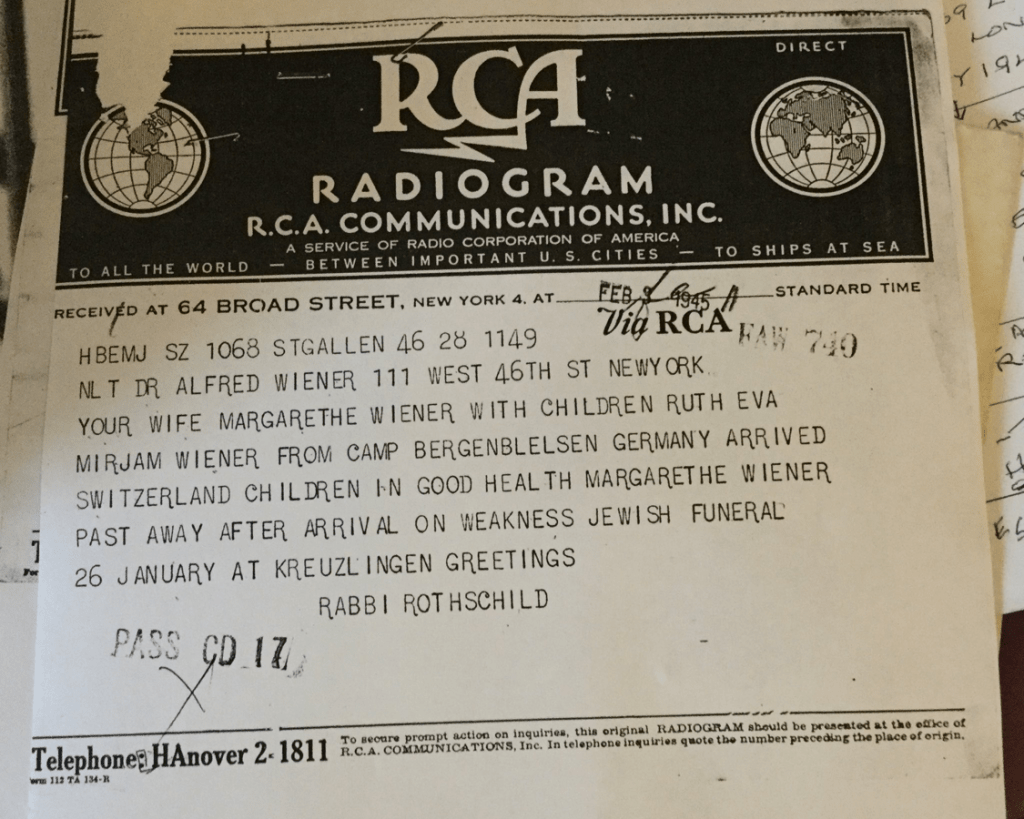
My grandfather is in New York securing the supply of his library on the Nazis, which is to provide one of the main sources of evidence at the Nuremberg trials. A telegram has been sent to him carrying the news.
Margarethe died at 1:15 am on 26th February (I think Daniel Finkelstein meant January here). Her daughters sail to America and all remember the moment they see the Statue of Liberty. Mirjam meets my father, a survivor himself of deportation to Serbia. She becomes a maths teacher and together they have a happy and long life.
She was never bitter and neither was he. They loved life and freedom and this country. So it’s traditional to finish a thread with the word ends/. But at this moment of freedom I finish the thread with begins/.”
(NOTE: Daniel Finkelstein’s grandfather is Dr. Alfred Wiener, founder of the Wiener Library (London and Tel Aviv)).
Lightning makes no sound until it strikes (Martin Luther King, Jr).
We may have all come on different ships, but we’re in the same boat now (Martin Luther King, Jr).
Only in the darkness can you see the stars (Martin Luther King, Jr).
No person has the right to rain on your dreams (Martin Luther King, Jr).
Change does not roll in on the wheels on inevitability, but comes through continuous struggle ((Martin Luther King, Jr).
We cannot walk alone (Martin Luther King, Jr).
We will remember not the words of our enemies, but the silence of our friends (Martin Luther King, Jr).
The Western arrogance of feeling that it has everything to teach others and nothing to learn from them is not just (Martin Luther King, Jr: Why I am opposed to the War in Vietnam).
Strength does not come from physical capacity. It comes from an indomitable will (Mahatma Gandhi).
Live as if you were to die tomorrow. Learn as if you were to live forever (Mahatma Gandhi).

























 mimisawhney.com