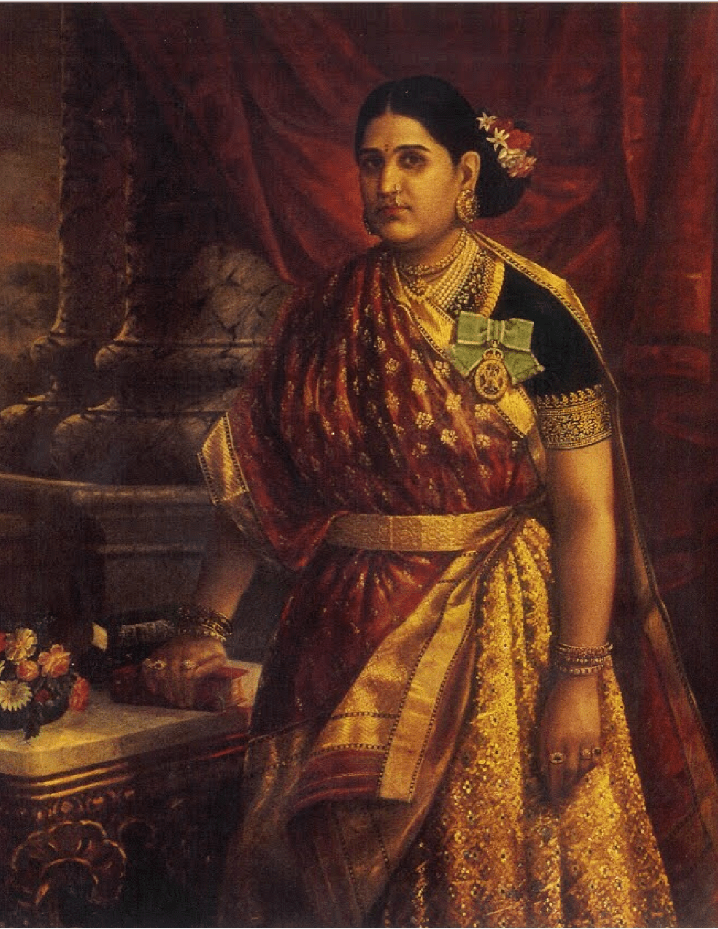
Happy 190th to this Badass Indian Queen

Rani (Queen) Lakshmi Bai – this brave, young queen of the Kingdom of Jhansi stood up to the British after her husband died and refused to hand them her kingdom. Her brave words, “Main Jhansi nahi dungee,” – “I will not give you Jhansi,” to the British still reverberate with the people of India who revere her as a Goddess.

She was born on November 19, 1828 and married the ruler of Jhansi in 1842. After her husband’s death she became Queen Regent to an adopted son. At the same time the British East India company was expanding its territory in India, and annexing kingdoms without natural born heirs. Rani Lakshmi Bai was having none of that, and when her attempts at negotiations failed, she took up arms against the British and led the people of Jhansi in the Indian Rebellion of 1857 which was the first battle for independence – 90 years before the country finally gained independence in 1947.  She died fighting the British in June 1858 at the young age of 29.
Her bravery has reached mythic proportions and Indian school children recite poems written about her bravery. John Latimer, a member of the British Central India Field Force, wrote a letter on 24 June 1858 to his Uncle in which he speaks of her courage and bravery:

Proud and impetuous, she required but little persuasion, she girded on her father’s sword raised the standard of her ancestors and entered the palace of Jhansi at the head of the troops. Her life has been a brief and eventful one and gives to the revolt – its only romantic tinge. Whatever opinion the world may entertain regarding her cruelty, her courage shines pre-eminent and can only be equaled, but not eclipsed by that of Joan of Arc. She played for a high game, and even when she found out she had losing cards did not despair, but looked defiant to the last.”
11:00am on 11/11 of 1918

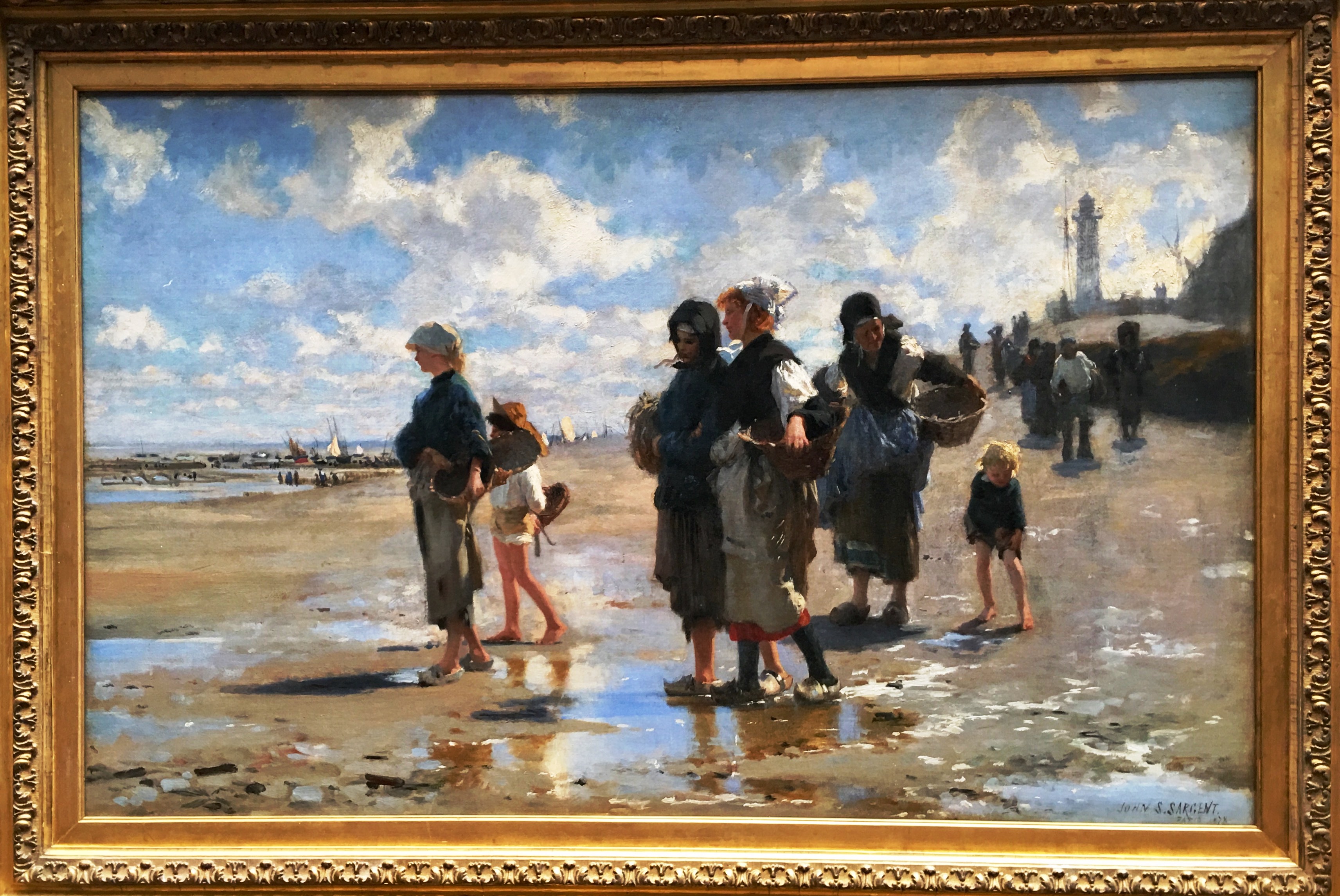
John Singer Sargent (1856 – 1925) completed his monumental war painting Gassed which shows the devastation of war in March 1919. Lt. Wilfred Owen, MC worte the first draft of Dulce et Decorum Est at the Craiglockhart War Hosital in 1917. He succumbed to his war injuries and died one week before Armistice Day.

Dulce et Decorum Est

Bent double, like old beggars under sacks,
Knock-kneed, coughing like hags, we cursed through sludge,
Till on the haunting flares we turned our backs,
And towards our distant rest began to trudge.
Men marched asleep. Many had lost their boots,
But limped on, blood-shod. All went lame; all blind;
Drunk with fatigue; deaf even to the hoots
Of gas-shells dropping softly behind.

Gas! GAS! Quick, boys!—An ecstasy of fumbling
Fitting the clumsy helmets just in time,
But someone still was yelling out and stumbling
And flound’ring like a man in fire or lime.—
Dim through the misty panes and thick green light,
As under a green sea, I saw him drowning.

In all my dreams before my helpless sight,
He plunges at me, guttering, choking, drowning.

If in some smothering dreams, you too could pace
Behind the wagon that we flung him in,
And watch the white eyes writhing in his face,
His hanging face, like a devil’s sick of sin;
If you could hear, at every jolt, the blood
Come gargling from the froth-corrupted lungs,
Obscene as cancer, bitter as the cud
Of vile, incurable sores on innocent tongues,—
My friend, you would not tell with such high zest
To children ardent for some desperate glory,
The old Lie: Dulce et decorum est
Pro patria mori.

French Provincial in Orlando

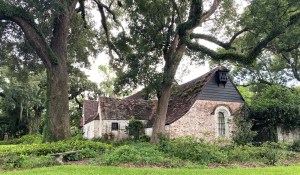
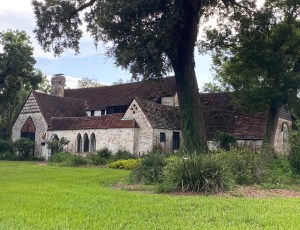
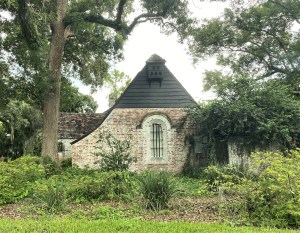
I have been seeing this house almost every day for years – it’s right by my school. And every time I drive past it, I am amazed at its beauty – with its aged look, an almost sagging roof, whitewashed brick, intricate woodwork, long gothic looking windows, and somewhat overgrown garden. It looks like it should be in a village in France – not in Orlando.

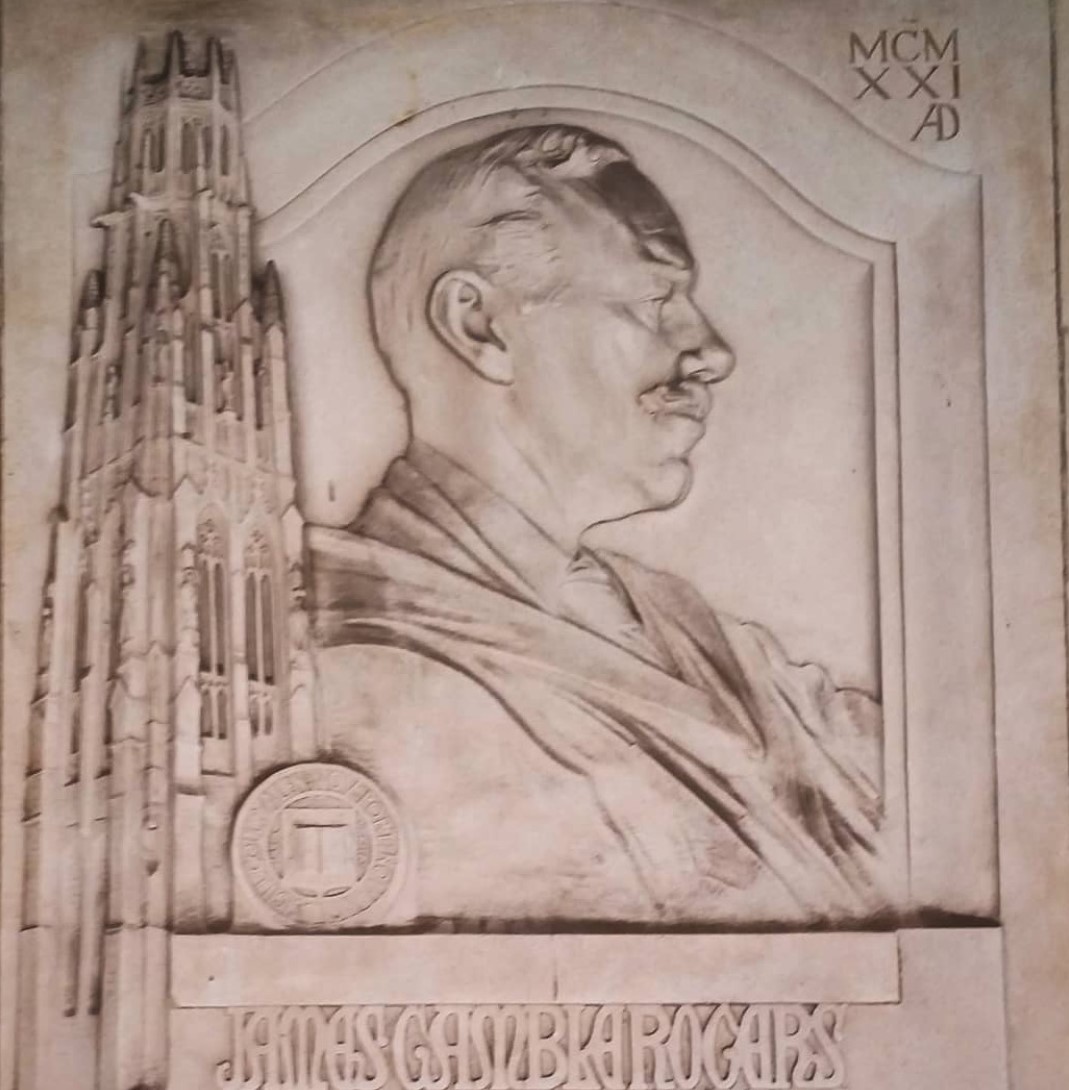
When I started to research the house, I learned it known as the Ingram House, and was designed by a celebrated American architect James Gamble Rogers II (1901-1990), who practiced mostly in Winter Park and is known for his work in the Spanish Revival, Mediterranean Revival, French Provincial, and Colonial Revival Styles.

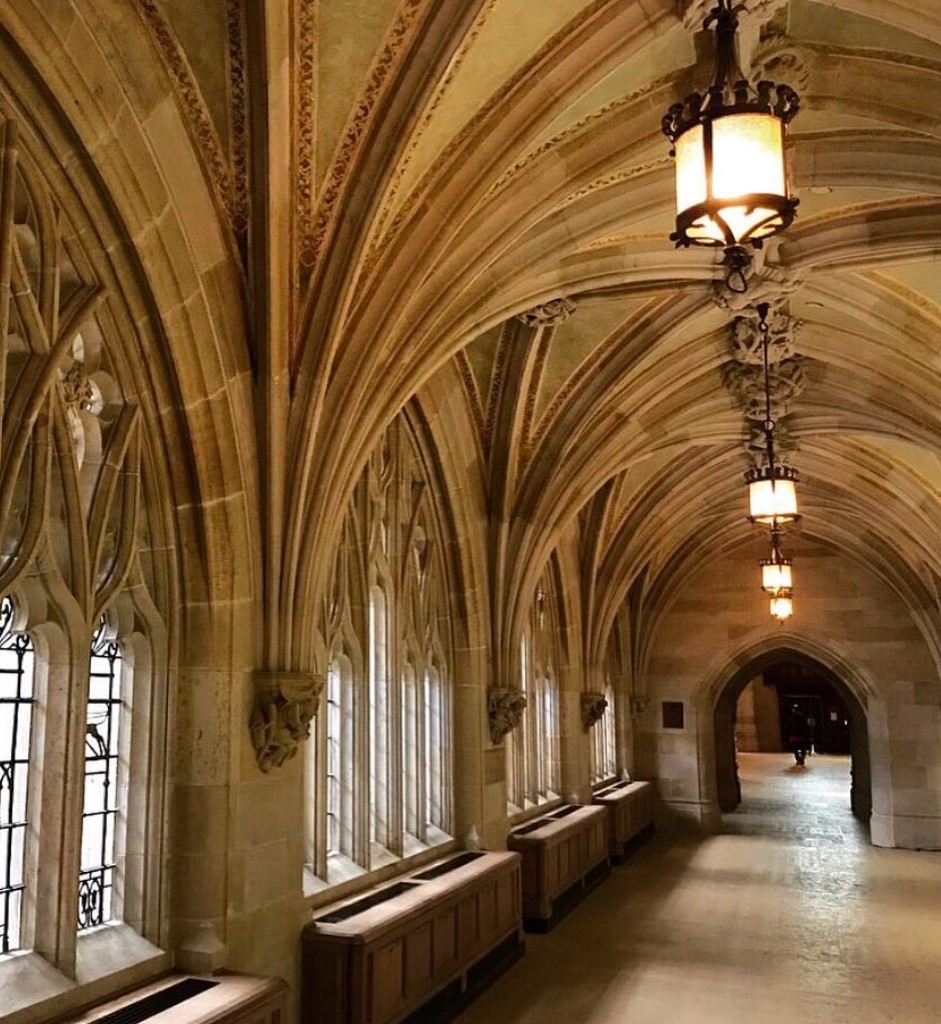
Mills Library at Rollins College in Winter Park

Rogers II is responsible for giving Winter Park its look because of the many gorgeous buildings he designed in that city – among them Casa Feliz, Barbour Apartments, Greeneda Court, and numerous building at Rollins College. He also designed the Florida Supreme Court building in a Greek Revival Style.

Another really interesting fact about Rogers II is that he is the nephew of renowned architect James Gamble Rogers (1867-1947) who designed many buildings at Yale, Northwestern, and Columbia Universities.

(Images courtesy Winter Park Library and University Websites).

A Labor Day Tribute

The Statue of Liberty Soliloquy 
BY Jim Johnson 

Give me your poor, your mouth breathing, your drooling
Give me your tired masses.
I have floors to clean, tables to set, guests to feed.
Give me preferably your Scandinavians.
I have shoes to shine. So hurry up now, give me your Blacks.
I have laundry. Give me a few Orientals.
I have flowers, lawns to trim, fruit trees. How about some Latinos.
I have boats to unload. Give me some Irish then.
I have minerals to mine. Give me any from the
slag heaps of Europe.
I have this thin soil to till. So send me some serfs.
I have trees to cut. Finns will do.
Just give me your workers, your farmers. Give me your all.
I exclude no one ? not even democrats. Socialists,
communists, intellectuals excepted.
I have so much work to do.

This tribute to both immigrants and labor was written by 2008 Duluth Poet Laureate Jim Johnson.

An Essay on America

I meant to do this post on July 4th – but I was in camp with very little time to compose any thoughts.  But there is never a bad time for a patriotic post so I figured I would do it now.  Would be nice if something could unite us all and drive us out by the millions to celebrate the way the World Cup sent the French to the Champs Elyse.  What absolute fun to forget your differences briefly and just celebrate a well- deserved victory.  I know it doesn’t seem like it, but we do have reasons to celebrate every day.  Towards that end, I want to share one on my sister’s college responses to a prompt about inclusion in America.  I think she answered it brilliantly.

“It was late – a lot later than we expected when the bus finally rolled out of the parking lot into a dark, and surprisingly cold, Florida night to start the trip back to Orlando. A proud group of LHP students sat in the bus that evening.  For two grueling days we had competed in a Speech and Debate tournament in Tampa and were taking home some hard-won trophies.

As most of my teammates drifted off to sleep, my mind started to mull over the question of acceptance and inclusion in a country that tries hard every single day to live up to its own promise to itself – and it occurred to me that this bus was the promise of America, the America that perhaps the founding fathers dreamed of. The driver – a man with a mission – led the way; behind him sat the coaches and chaperones, still chaperoning, navigating, and making sure we stayed on track. I could imagine the aged, ever-watchful gaze of the founding fathers upon them.

Behind them sat a vibrant, dynamic melting pot – a veritable “salad bowl” of students, a young team of various teenage years, of more ethnicities than any founding father dared to hope for, of individual dreams and common hopes. We were all recent immigrants or children, grandchildren, great-grandchildren, and great-great grandchildren of recent immigrants. As our passions for our competition and trophies flared, our ethnicities faded – our common goal melted away the differences in our skin colors, our religions, our aromas of homemade food, and the accents of our ancestors upon our tongues.

I was keenly aware that despite every criticism, this bus – a microcosm of the world – could not have been rolling down a highway in any other country in this world. Perhaps it is naïve of me to equate this bus to the promise of America – but weren’t the founding fathers just naïve young men when they rolled down a revolutionary highway with nothing but a dream?

For four years, since I made my first competition piece on immigrants, and started to explore my place in America, I have waited to attend a course like the —. I am excited to engage, to share, listen and learn from others in my class. I am ready, and my generation is ready, to continue fulfilling the promise of America.”

I think her response is brilliant. I loved the comparison and the feeling of pride and belonging.

A-7713

He carried these tattoed numbers on his arm for a lifetime, and on this day ltwo years ago, Elie Wiesel, an Auschwitz survivor, died at the age of 87. He took the holocaust out of history books, and with his powerful words, seared it into our conscience. I wrote this poem after reading his book Night, in which he talks about the last time he saw his mother.

Sparrow

In the cold winter months
with moonless skies,
She flew down from the clouds
to sit on my shoulder
and see me through the night.
 
I felt her gently
through the tattered fabric
that covered my shoulders and
Striped its way down to my knees;
a vain barrier between skin and snow.
 
The first time She came
was when I saw Mama last.
They dragged Mama away,
her feet making long tracks
in pure winter snow.
 
Mama’s body was theirs to kill,
Her soul was God’s alone.
She came from the blackness of the smoke
to light the fire in my soul
and soften the hunger in my belly.
 
 
My little sparrow held me up
when I was too weak to stand.
While they starved my body
She nourished my soul,
and stopped me from dying.
 
I had to live
for Mama, for papa, and Elsa too.
I was the fragment that remained
from the fabric of our lives.
The thread was mine to weave.
 
Night after night
She sat on my shoulder
to see me through till dawn,
and when I wanted to fly with her
She wanted me to stay.
 
When finally the gates of hell opened
And the air was ours to breathe
And the land was ours to roam  
It was then, and only then
that Mama stopped coming to me at night.


(Image courtesy of Baltimore Jewish life website).

My afternoon with Sargent

Last weekend I went to Washington DC to accompany my sister on a speech tournament. I could do that because school is over.  Since the group had free time, we went to various museums around the city.  I went to the National Gallery of Art (NGA) which was great fun especially because it was so hot outside.  The museum was big but not huge like the Louvre or the Hermitage, and I felt like I saw most of it.  It’s a gorgeous building with an atrium on either side – where one can sit and relax.  There was a Sally Mann photography exhibition going on in the museum.  Her large black and white landscapes of the South were really stunning.  Unfortunately, we weren’t allowed to take pictures of the exhibition.

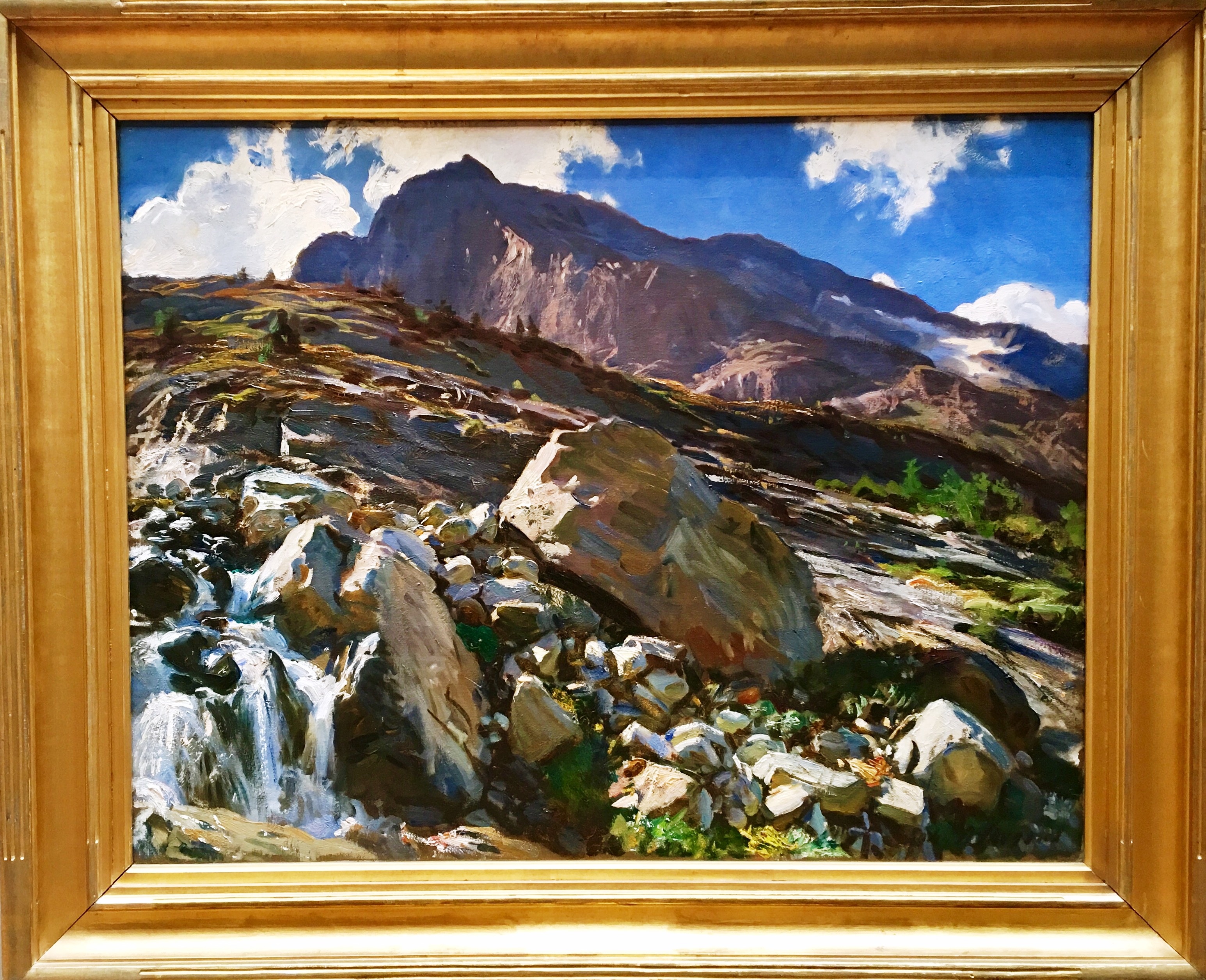
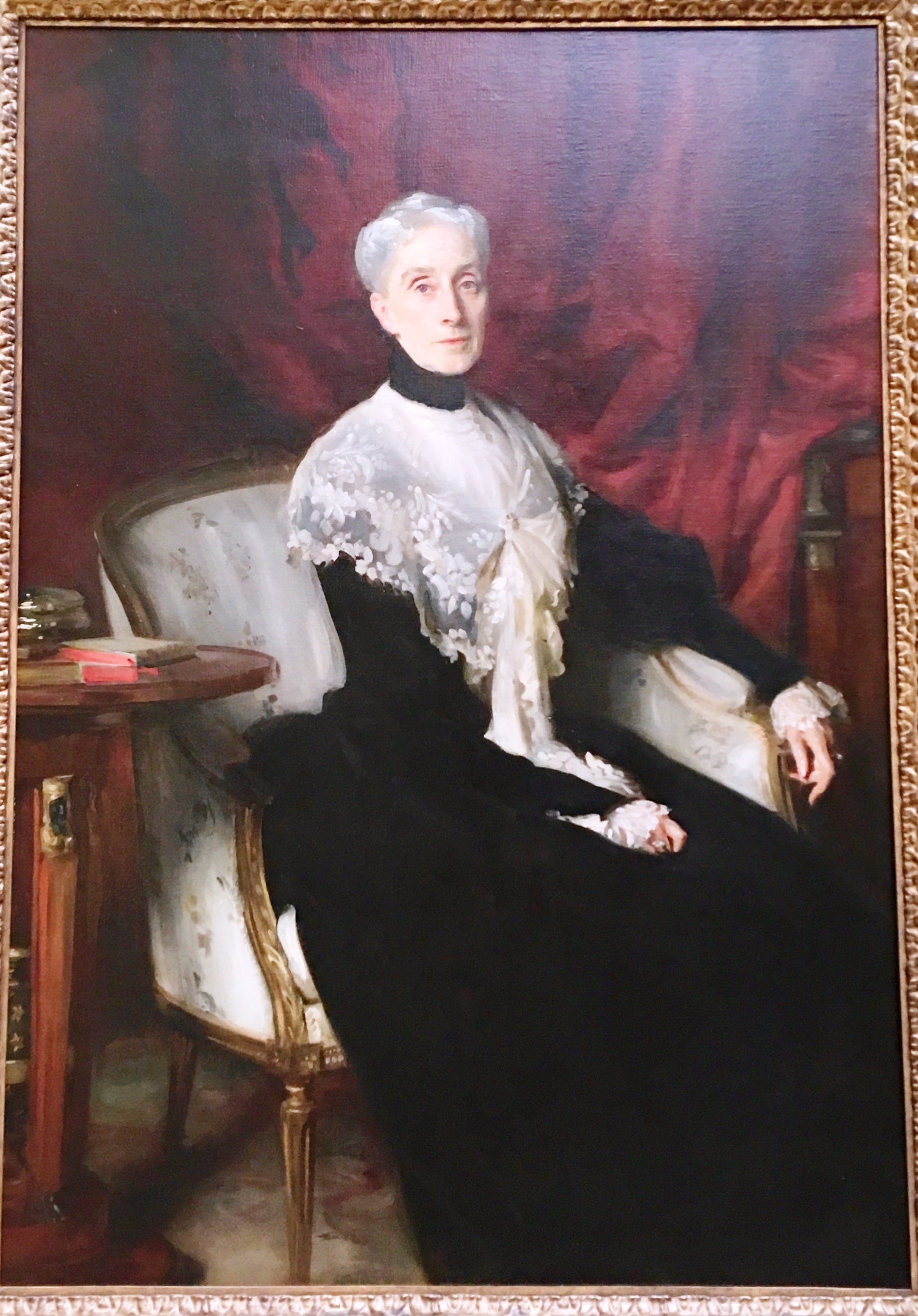
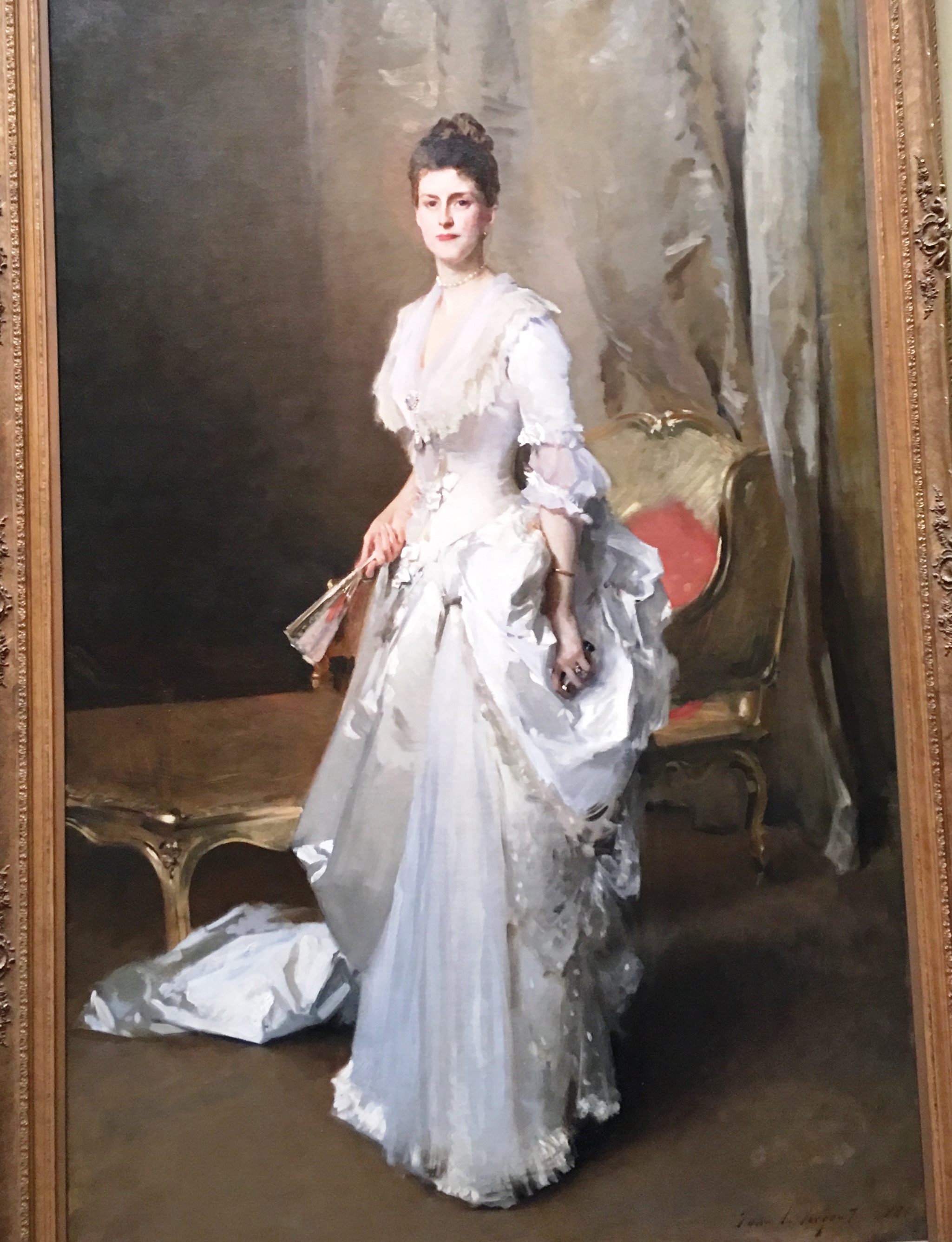
I spent a long time admiring the John Singer Sargent paintings in the museum. Sargent (1856 – 1925) is an American artist, who was trained in France, and lived in London. He is heavily influenced by Spanish master artist Velazquez, whom he studied passionately.   Interestingly, Sargent also painted murals which can be found in the Boston public Library and Boston’s Museum of Fine Arts.  The NGA in DC has some beautiful Sargent works which I photographed (with permission of course).  The paintings in the museum show his versatility as an artist – his landscapes, portraits, interiors are all equally beautiful.  It’s very difficult to pick a favorite but if I had to, I would pick the lady in the white silk gown with the paisley shawl.  I had a really fun time in the museum because I saw a lot of stuff but focused on one artist the most.  Others may not like to focus on one artist as they feel it limits their enjoyment of the museum – for me it was great fun.

Sargent - Pavement, Cairo, 1891Sargent - Nonchaloir (Repose), 1911

Patriotism

I recently found this poem by Duluth Poet Ellie Schoenfeld, and thought it was a nice poem about Patriotism for Patriots Day.

My country is this dirt
that gathers under my fingernails
when I am in the garden.
The quiet bacteria and fungi,
all the little insects and bugs
are my compatriots. They are
idealistic, always working together
for the common good.
I kneel on the earth
and pledge my allegiance
to all the dirt of the world,
to all of that soil which grows
flowers and food
for the just and unjust alike.
The soil does not care
what we think about or who we love.
It knows our true substance,
of what we are really made.
I stand my ground on this ground,
this ground which will
ultimately
recruit us all
to its side. 

Arts in the City Beautiful

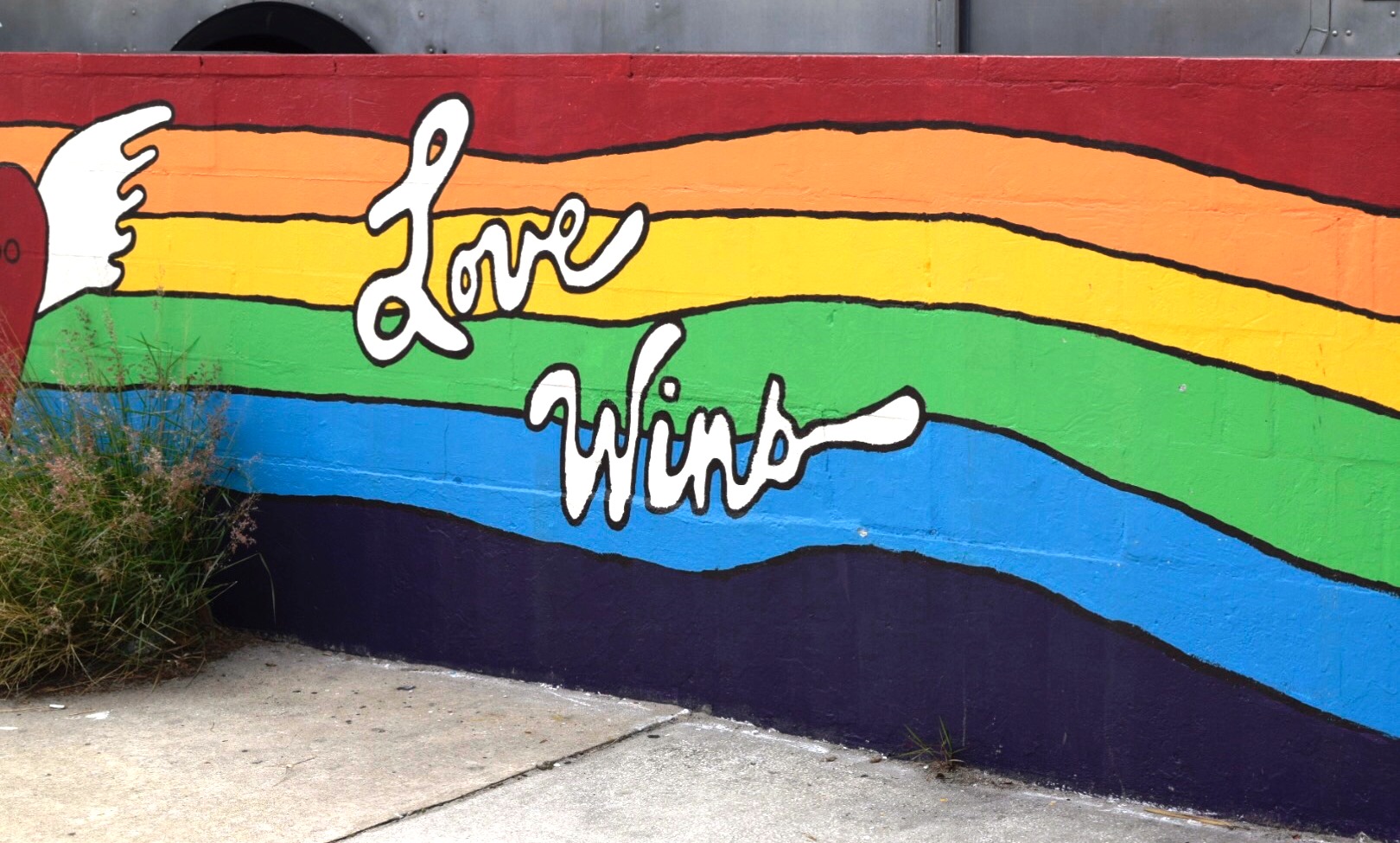
Art, in the words of Picasso, “washes away from the soul the dust of everyday life.” For Orlando, it was the balm that soothed its wounds from the horrific nightclub shooting. Orlando, as a city, collectively turned to art to heal the wounds of that horrible night and find a way forward. Lake Eola Park is a beautiful public space in downtown Orlando.  For the last year, the hatch shell has been painted in the colors of a rainbow to symbolize LGBTQ pride and #OrlandoStrong.

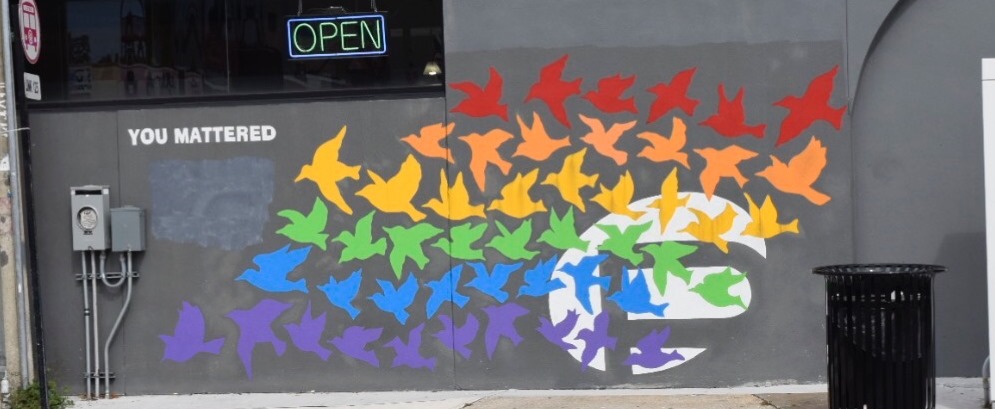
In Orlando, all around the ‘city beautiful,” there are new murals, graffiti, and even painted electric boxes – some memorializing the Pulse nightclub, others just there to add a little beauty to our day. Driving to school, stopping at red lights, being stuck in traffic, I have appreciated this art.  It has brought a smile to my face and reduced some of my morning tiredness – wouldn’t you smile if the Girl with a Pearl Earring smiled at you from a dumpster on your way to school every morning!!

A Romanesque Monastery in Florida

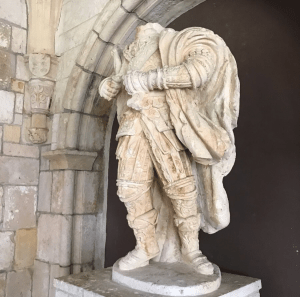
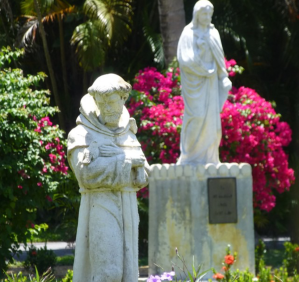
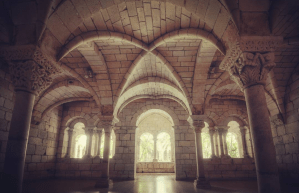
One would never expect to find a 900-year-old Romanesque monastery on the West Dixie Highway near Miami – but that is exactly what one would find on this secluded, not so easy to find, location – the monastery of Saint Bernard de Clairvaux.

The monastery was originally built in Sacramenia, Segovia in northern Spain in the 12th Century. When construction finished in 1141, it was dedicated to Mary, and was called “The Monastery of our Lady.” When Bernard of Clairvaux was canonized in 1174, the monastery was renamed in his honor. Bernard was a Cistercian monk, and the monastery was occupied by Cistercian monks for 700 years after that. In the 1830s, the cloisters were seized by the city for nonpayment of taxes and sold to a farmer who converted it into a granary and a stable.

Another 100 years later, in 1925, publishing tycoon William Randolph Hearst illegally purchased the monastery, for a cost of $500,000 with the intention of rebuilding it on his estate in California. He had it deconstructed stone by stone and each stone was numbered and wrapped in hay – a total of 11,000 crates were shipped to the US. Only the original church remained in Sacramenia where it stands to this day.

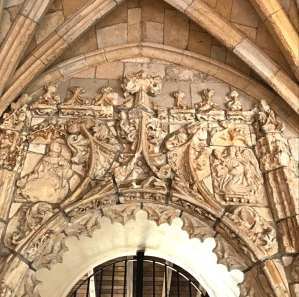
Santa Maria la Real de Sacramenia

By the time it arrived in the US, there was a hoof-and-mouth disease in northern Spain, and the entire shipment was quarantined. Moreover, the hay was burned to prevent the spread of disease in the US. When removing the hay, the workers neglected to put the stones back in the numbered boxes, which ultimately caused a great deal of expense and confusion when the monastery was reassembled.

Hearst fell into financial difficulties, and the disassembled stones lay in a warehouse in Brooklyn for the next 26 years. After his death in 1952, the entire shipment was purchased by two Florida entrepreneurs W. Edgemon and R. Moss who had everything shipped to Miami. There, the monastery was painstakingly assembled – the entire process took 19 months, and because of the mismatching, several stones remained from which a parish hall was built. The monastery was sold a few times after that, until 1964 when philanthropist Colonel Robert Pentland, Jr. bought it and donated it to the Southern Florida parish of St. Bernard of Clairvaux.

On another continent, 1000s of miles away from its birthplace, a long journey after being disassembled, and then being assembled back like a jigsaw puzzle decades later – it is truly incredible that the monastery is back with the same Cistercian monk in whose honor it was named. (Images courtesy Sacramenia and Miami travel sites and spanishmonastery.com).