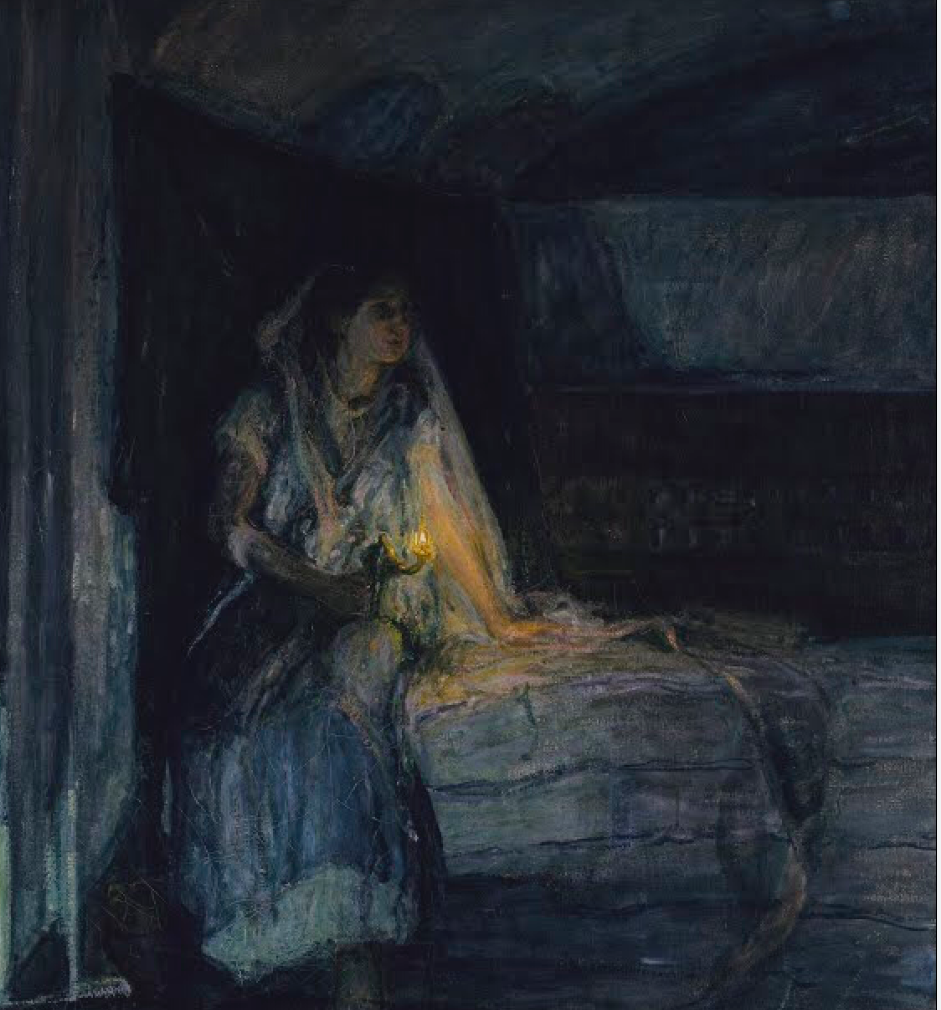
A Rose by any other name..

I am always intrigued by names and how they originate and get associated with things. I thought I’ll research a few of my favorite flowers and see how they got the name they did.

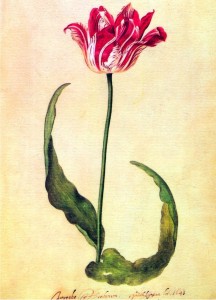
Tulip – this beautiful flower originated in Persia and Turkey and gets its name from the Turkish word for turbans. Men wore tulips on their turbans in this region, and Europeans thought the word tulip was for the name of the flower, and not the word for turban and started calling the beautiful flower tulip. It’s interesting because I also think the name looks like a turban – and some sources say that the name originated from the Turkish word for turban. Either way – it’s a perfect name for this much-loved flower.

Theofrastos Triantafyllidis (1881-1955), Still Life with gardenias and red book

Gardenia – this gorgeous white fragrant flower is named after physician and botanist Alexander Garden. It was named that not by Garden himself but Carl Linnaeus a Swedish botanist who formalized binomial nomenclature. Garden lived in Charleston, SC and had sent a magnolia to Linnaeus who felt the need to then name a flower after Garden and picked the cape jasmine and called it gardenia!!

Vincent Van Gogh, Irises, 1889

Iris – the name of this flower is from the Greek word – eiris – which is the name of the Greek Goddess of the rainbow. The flower is called that because it comes in all colors of the rainbow. It is also the flower that announces the arrival of spring by popping out of the ground sometimes through the snow.

Henri Fantin-Latour (1836-1904), Dahlias, 1874

Dahlia – these flowers symbolize summer – and are also very important for Mexico which is where they originated. They were some of the earlier flowers taken to Europe from the Americas and did well in the German and Swedish summers – and were named dahlia after a Swedish botanist Andres Dahl. The Germans wanted to name the flower Georgina after German botanist Johann Gottlieb Georgi – and called it Georgina through the 19th century until they finally gave in to the Swedes.

Mughal, 17th Century, unknown

Marigold – this deep yellow flower which grows profusely all year long seems to be revered in almost all religions. Its name derives from Mary’s Gold – so named after Mary, the mother of Jesus. Marigolds were taken to Europe from Mexico and Guatemala in the 16th century – in Spain they were placed at the altar of Mary which gave them their name. Marigolds are also used in all Hindu religious ceremonies.
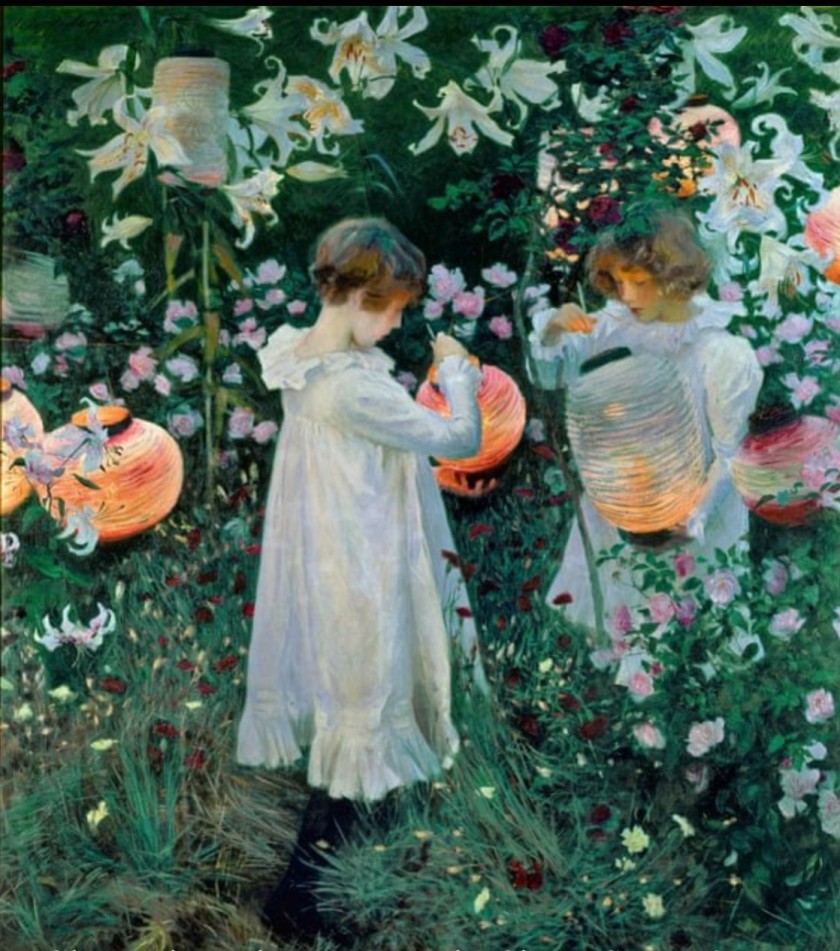
John Singer Sargent (1856-1925) Carnation Lily. Lily, Rose (1885)

Carnations – the name sounds like and is derived from the word coronation – these flowers were used in ancient Greek crowns from which they get their name. Today these flowers are used for solemn occasions.

Lily – lilies get their name from the Greek word leiron which was what they called the while lily. Lilies are the oldest cultivated flowers in the world and were grown by the Cretes as early as 1580 BCE.

So many flowers… I could go on and on !!
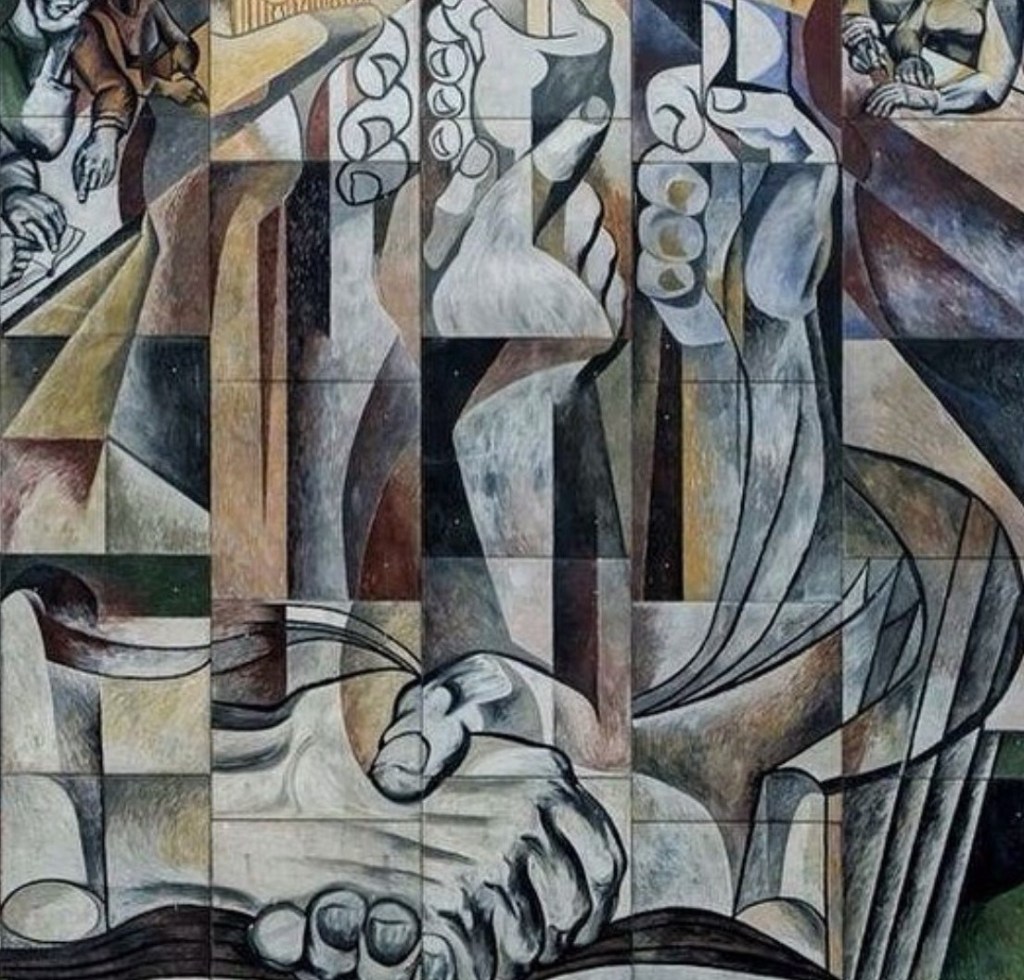
Braque and the Mural

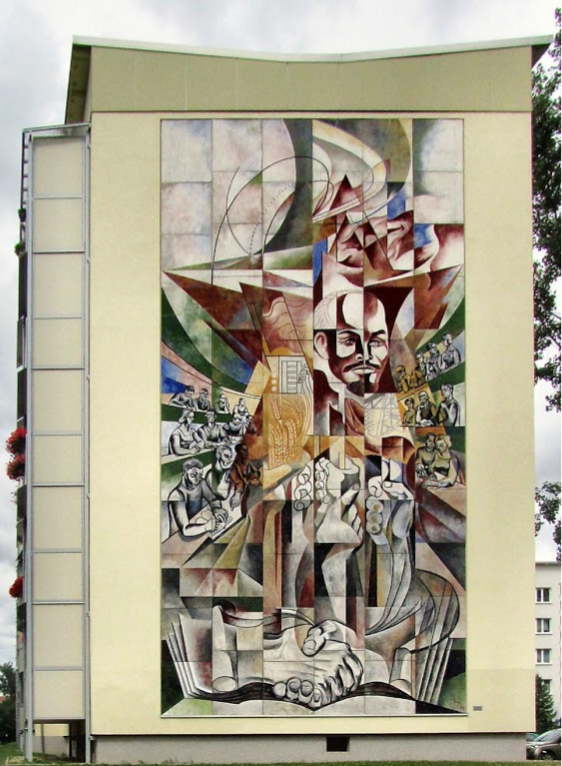
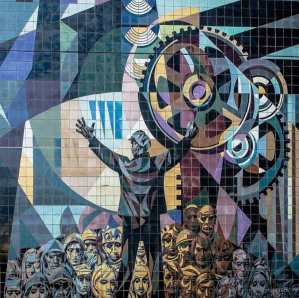
While looking at mosaics and murals from the Socialist bloc countries, I came across a cropped image of this mural on a building in Halle-Neustadt, Germany. The first thing that struck me about the mural was that it reminded me of a Georges Braque cubist artwork – it has the same monochromatic color scheme, the same geometric shapes, and abstract appearance like many of Braque’s paintings.

The mural was made by Erich Enge in 1970-71 and can be found on the side facade of a housing block building inthe ex-East German city. It is titled “Er rührte an den schlaf der welt,” which translates to “He stirred the world’s slumber.” The mural is dedicated to Lenin and the impact he had on different aspects of Socialist life are depicted in the mural.

Georges Braque, Viloin and Candlestick, 1910.

Georges Braque (1882 – 1963) was a French artist who started as a Fauvist, but was so inspired by Picasso’s foray into analytical cubism with Demoiselles D’Avignon (1907), that he collaborated with Picasso and started experimenting with cubism. One of the first works as a result of this collaboration was Violin and Candlestick (1908) in which Braque knitted together the violin, sheet music, and other elements – all pushed close to the picture plane in monochromatic colors and cubist forms.

Georges Braque, The Portugese, 1910

Like the mural there is no slow progression to the surface or depth perception – natural shapes are lost and only representational motifs remain – more so in the Braque than the mural – but the similarities are striking and exciting. Another fragmented work – The Portugese (1911), shows the fractured forms of a musician and his guitar.

The amazing large-scale mural in Halle-Neustadt with its rectangular shapes, color scheme, and fragmented parts perhaps found inspiration in Braque’s works, just like Braque found inspiration in Picasso’s work.

(Images courtesy SFMOMA, Georgesbraque.net and Erich Enge’s website).

Speedwell’s Song

Robinson Of Leyden
Oliver Wendell Holmes

HE sleeps not here; in hope and prayer 
His wandering flock had gone before, 
But he, the shepherd, might not share 
Their sorrows on the wintry shore. 

Before the Speedwell's anchor swung, 
Ere yet the Mayflower's sail was spread, 
While round his feet the Pilgrims clung, 
The pastor spake, and thus he said:-- 

'Men, brethren, sisters, children dear! 
God calls you hence from over sea; 
Ye may not build by Haerlem Meer, 
Nor yet along the Zuyder-Zee. 

'Ye go to bear the saving word 
To tribes unnamed and shores untrod; 
Heed well the lessons ye have heard 
From those old teachers taught of God. 

'Yet think not unto them was lent 
All light for all the coming days, 
And Heaven's eternal wisdom spent 
In making straight the ancient ways; 

'The living fountain overflows 
For every flock, for every lamb, 
Nor heeds, though angry creeds oppose 
With Luther's dike or Calvin's dam.' 

He spake; with lingering, long embrace, 
With tears of love and partings fond, 
They floated down the creeping Maas, 
Along the isle of Ysselmond. 

They passed the frowning towers of Briel, 
The 'Hook of Holland's' shelf of sand, 
And grated soon with lifting keel 
The sullen shores of Fatherland. 

No home for these!--too well they knew 
The mitred king behind the throne;-- 
The sails were set, the pennons flew, 
And westward ho! for worlds unknown. 

And these were they who gave us birth, 
The Pilgrims of the sunset wave, 
Who won for us this virgin earth, 
And freedom with the soil they gave. 

The pastor slumbers by the Rhine,-- 
In alien earth the exiles lie,-- 
Their nameless graves our holiest shrine, 
His words our noblest battle-cry! 

Still cry them, and the world shall hear, 
Ye dwellers by the storm-swept sea! 
Ye _have_ not built by Haerlem Meer, 
Nor on the land-locked Zuyder-Zee!

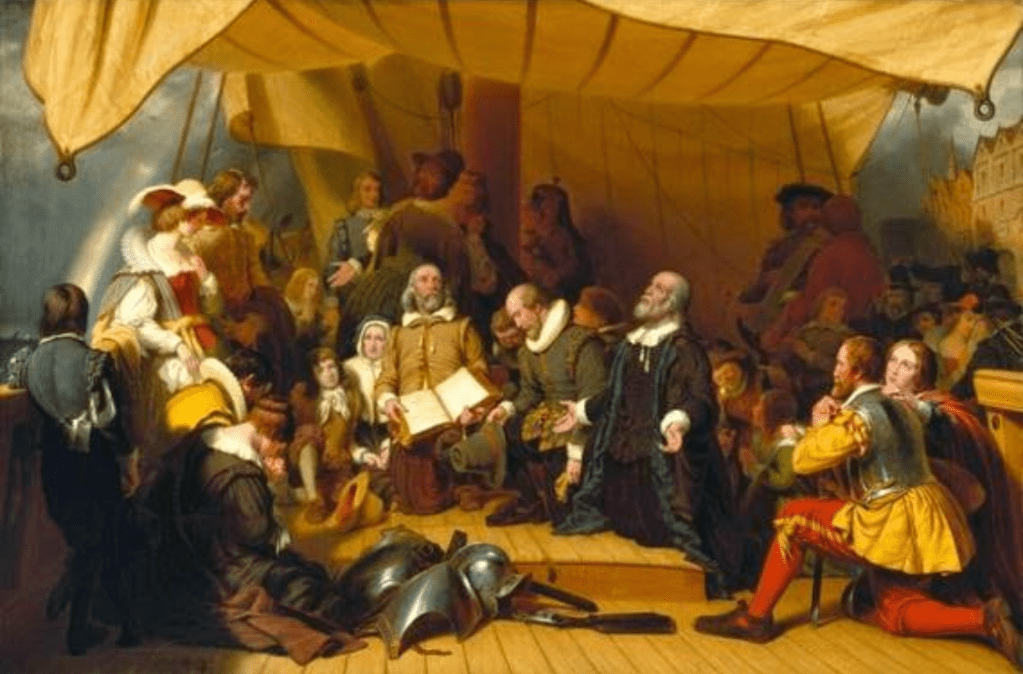
On July 23, 1620, the English Pilgrms who had been living in the Netherlands, sailed on the Speedwell. They were heading towards Sothhampton where they would meet up with the Mayflower, and togther the two ships would sail for the New World.

A Prayer for the Pilgrims


Robinson of Leyden

by Oliver Wendell Holmes

HE sleeps not here; in hope and prayer
His wandering flock had gone before,
But he, the shepherd, might not share
Their sorrows on the wintry shore.

Before the Speedwell’s anchor swung,
Ere yet the Mayflower’s sail was spread,
While round his feet the Pilgrims clung,
The pastor spake, and thus he said:–

‘Men, brethren, sisters, children dear!
God calls you hence from over sea;
Ye may not build by Haerlem Meer,
Nor yet along the Zuyder-Zee.

‘Ye go to bear the saving word
To tribes unnamed and shores untrod;
Heed well the lessons ye have heard
From those old teachers taught of God.

‘Yet think not unto them was lent
All light for all the coming days,
And Heaven’s eternal wisdom spent
In making straight the ancient ways;

‘The living fountain overflows
For every flock, for every lamb,
Nor heeds, though angry creeds oppose
With Luther’s dike or Calvin’s dam.’

He spake; with lingering, long embrace,
With tears of love and partings fond,
They floated down the creeping Maas,
Along the isle of Ysselmond.

They passed the frowning towers of Briel,
The ‘Hook of Holland’s’ shelf of sand,
And grated soon with lifting keel
The sullen shores of Fatherland.

No home for these!–too well they knew
The mitred king behind the throne;–
The sails were set, the pennons flew,
And westward ho! for worlds unknown.

And these were they who gave us birth,
The Pilgrims of the sunset wave,
Who won for us this virgin earth,
And freedom with the soil they gave.

The pastor slumbers by the Rhine,–
In alien earth the exiles lie,–
Their nameless graves our holiest shrine,
His words our noblest battle-cry!

Still cry them, and the world shall hear,
Ye dwellers by the storm-swept sea!
Ye _have_ not built by Haerlem Meer,
Nor on the land-locked Zuyder-

Shinrin-Yoku

“In the woods, is perpetual youth.” Ralph Waldo Emerson

Hippocrates – the father of medicine – is thought to have said, “Nature itself is the best medicine.” In his 1836 essay, Nature, Ralph Waldo Emerson said, “In the woods, we return to reason and faith. There I feel nothing can befall me in life, –no disgrace, no calamity, which nature cannot repair.”

And in the 1980s, the Japanese agreed with the truth found in these statements and their own zen philosophies and started the practice of shinrin-yoku – or forest bathing.

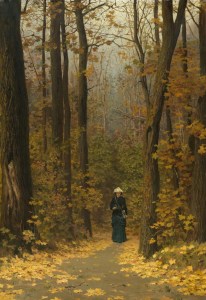
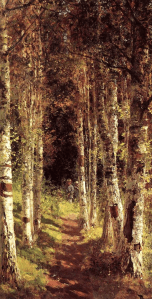
Ivan Ivanovich Shishkin (1832 – 1898) – Walk in the Woods 1869

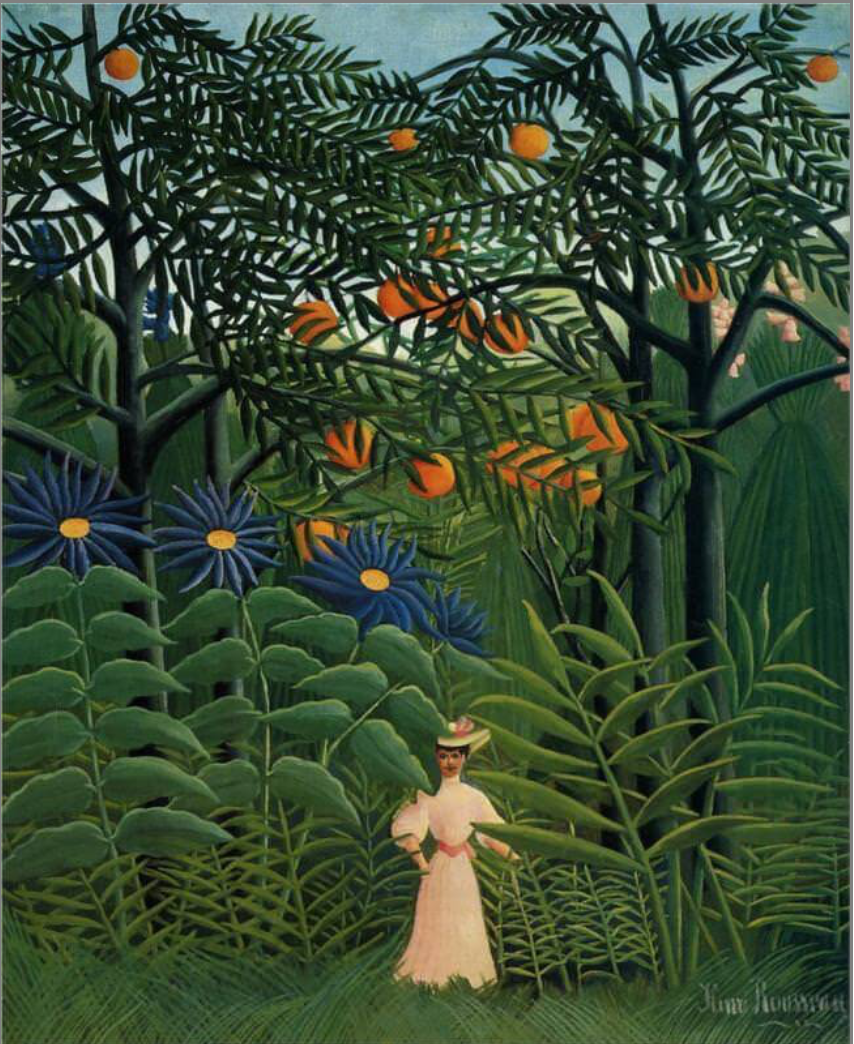
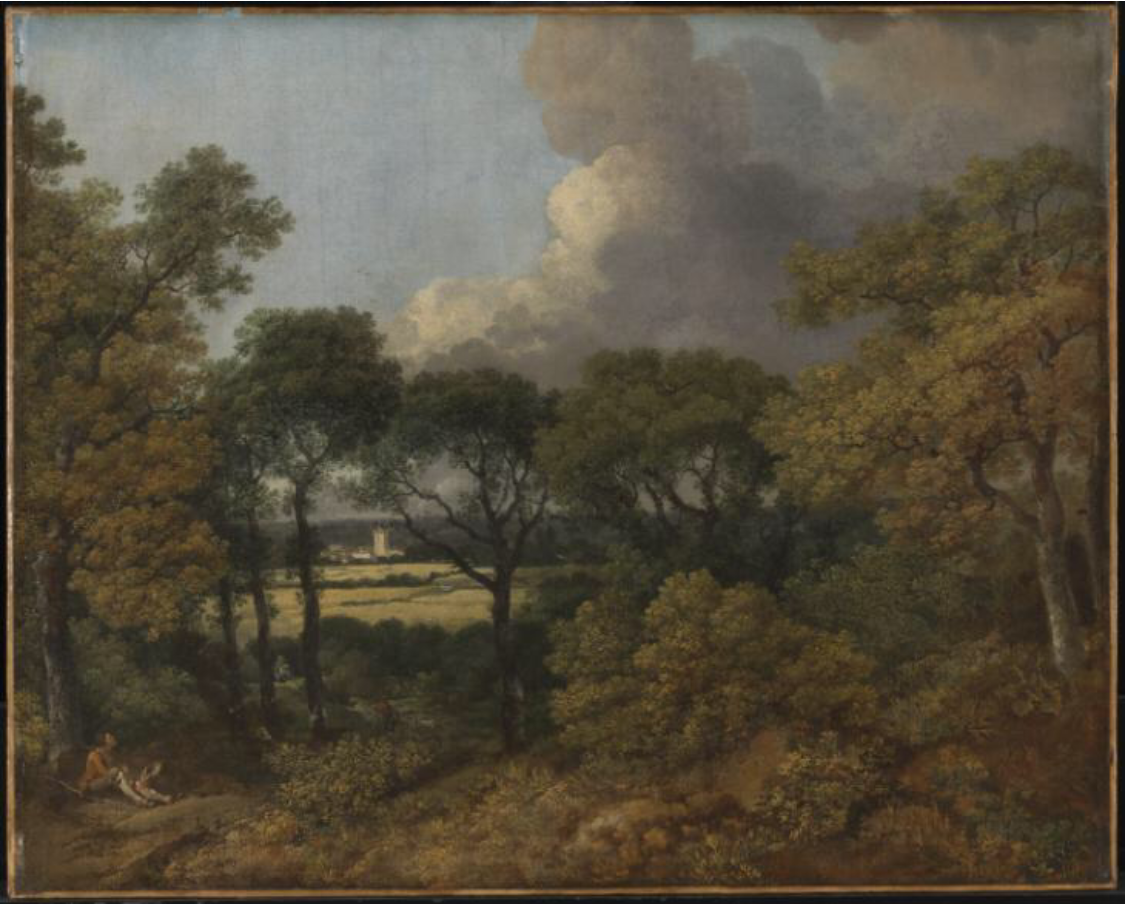
The simple act of meandering in a wooded forest, hearing the sounds it makes, or even its stillness, soaking in the sunlight as it filters through the canopy of green leaves silhouetted against the blue sky above, smelling the earthy, woody smells of the trees, and feeling the mossiness of their trunks – all of these are essential to our being. These are nature’s timeless elements that keep us grounded; and refresh our minds, bodies, and souls when we connect with them mindfully.

Shinrin-yoku started when it became apparent that technology, modernizaion, and urban landscapes themselves were causing the stress and depression found in city dwellers. But I wonder if it was just going back to our roots – to something we always did – something that we simply lost along the way and have found again.

(Images courtesy Cincinnati Museum, Rousseau.org, and Tate Gallery).

Flotsam and Jetsam

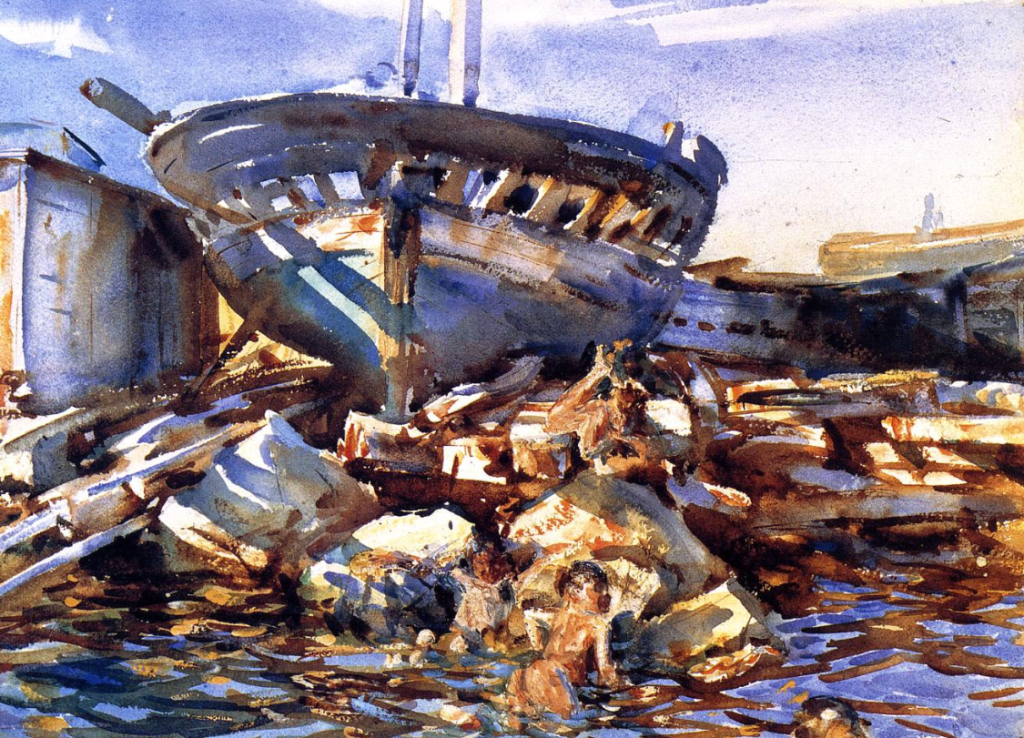
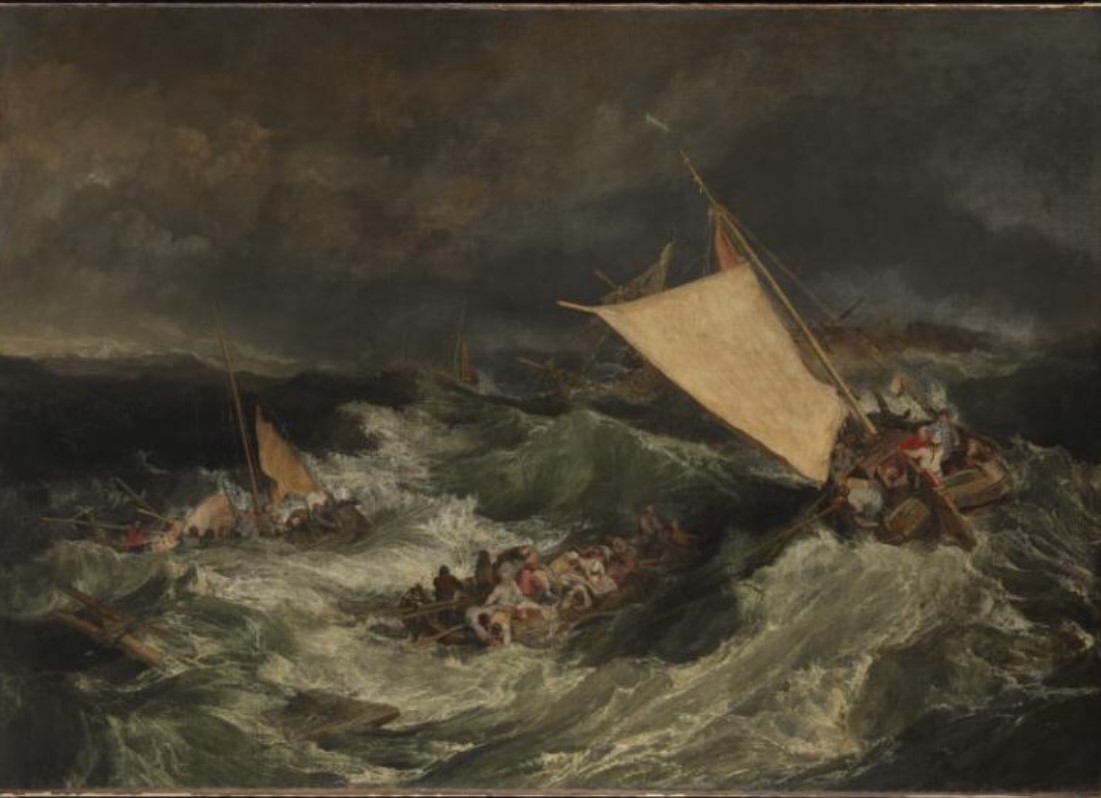
While most of us may relate to them as the twin eels in Disney’s The Little Mermaid, these two very interesting words originate from marine debris and are related to the items that were once on a ship but are now in the ocean.

Flotsam and Jetsam, 1908, John Singer Sargent, watercolor on paper

Flotsam is debris or rubbish that is found floating around in the ocean that got there because of a ship accident or wreck. It was never deliberately thrown into the ocean from the ship. The word flotsam comes from the French word floter which simply means to float. The rule of finder’s keepers does not apply to flotsam found by a passerby – the debris still belongs to the owners of the ship that met with the unfortunate accident that cause the flotsam.

Jetsam on the other hand is debris that was deliberately thrown from the ship into the ocean – either to lighten the ship before an accident or for some other reason. The important distinction is that it was deliberately thrown. The word is derived from the word jettison which means to throw something from a plane or a ship. Since they chose to throw the jetsam, the rule of finders keepers does apply in this case – and a passerby that comes across the jetsam can keep it.

The Shipwreck, 1772 Claude-Joseph Vernet, (1714-1780)

The two words are most often used together and have metaphorically come to mean odds and ends, or miscellaneous items –  as in –“the war refugees carried the flotsam and jetsam of their life on their backs as they walked across the continent searching for a safe haven.”

(Images courtesy, NGA DC, Portland Museum of Art, National Museuem of Norway, & Tate Gallery UK).

35 years ago today….

One of the college questions last year was about a day in history that you would like to be a part of – I’m sharing my cousin’s repsonse!! She would have liked to travel back to an event 35 years ago today. I think I would have liked to join her on this trip.

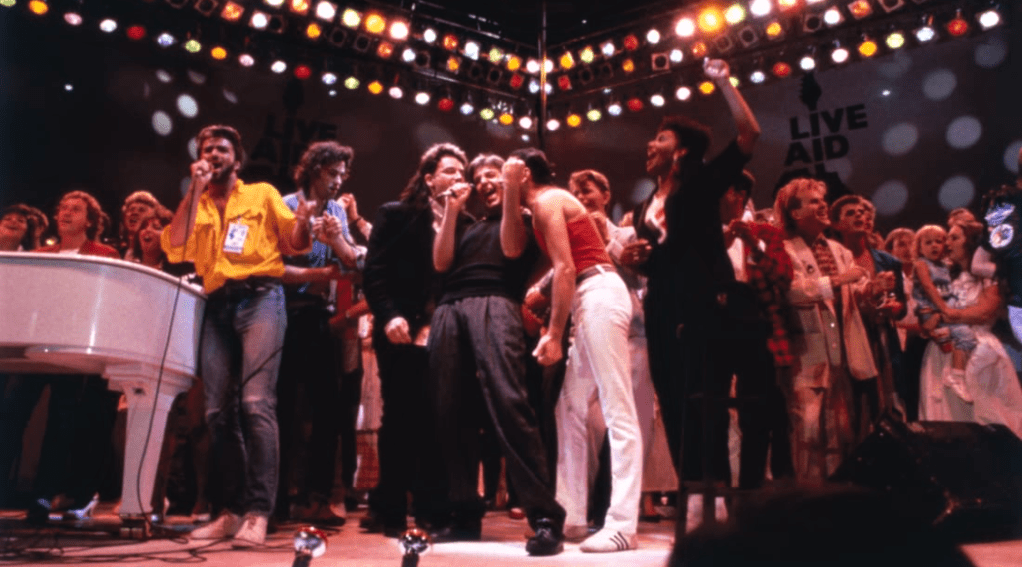
July 13, 1985, “the day music changed the world.”

An October 1984 BBC report on famine in Ethiopia changed the course of Irish singer Bob Geldof’s life, “he was stood against the wall,” and had to do something.

The result was the record-breaking fundraising Band Aid album, followed by Live Aid; a 12 hour simultaneous trans-Atlantic charity concert in Philadelphia and London, broadcast live to 110 countries that raised over $100 million in one day. Phil Collins flew the Concorde and performed at both locations, U2 skyrocketed to international fame, and Queen’s magical performance is still making spines tingle.

Live Aid’s legacy is immense – it forever connected celebrities with philanthropy, spurred millennial involvement in charity, and propelled telecommunications toward global connectivity.

There are so many historical events – but I would have really liked to be in Wembley Stadium, London on that summer’s day in 1985. 

Me too!!

Mosaics of Labor

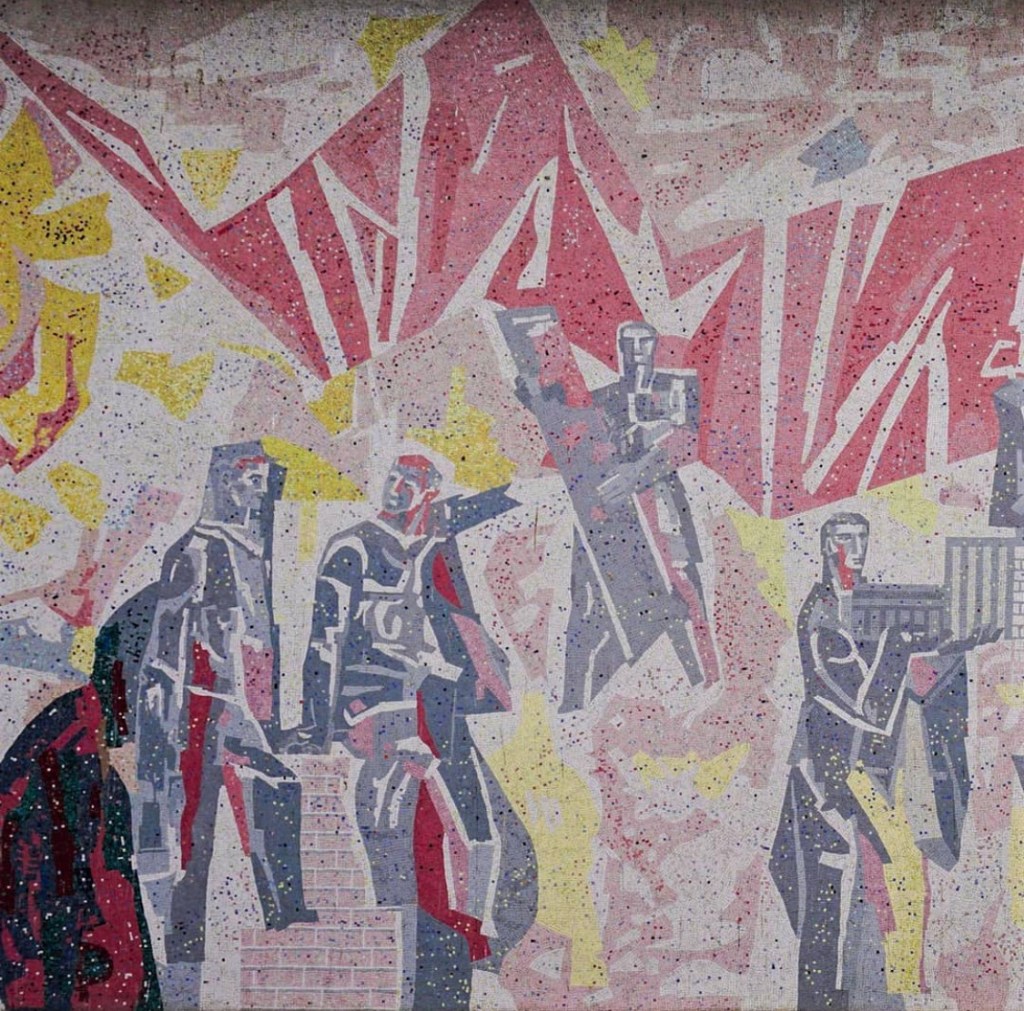
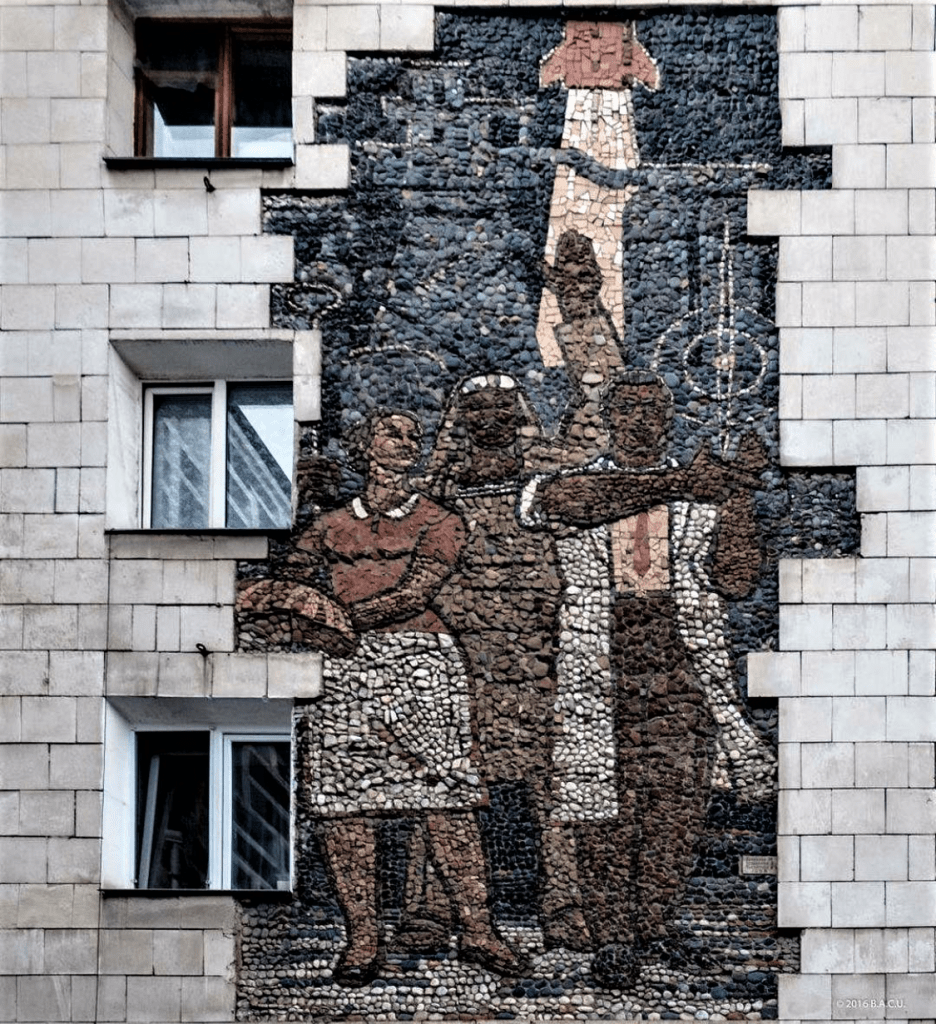
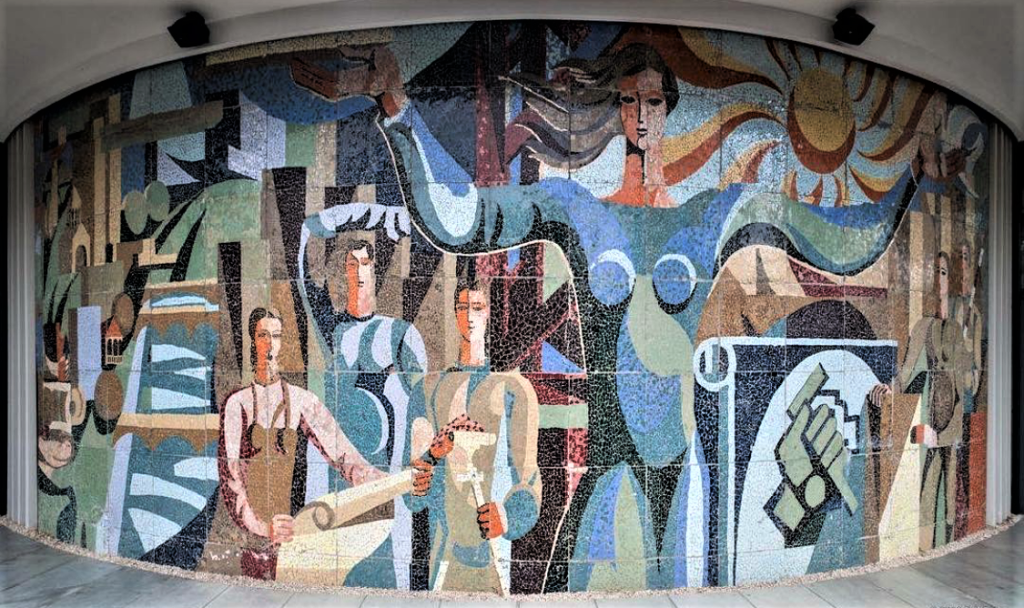
I find these monumental Soviet era mosaics very attractive and thought provoking – the bright colors, the immense detail in the work, and of course the stories they tell of an era that has ended. They are of course propaganda mosaics – but if we can set that aside for a minute and just appreciate the intricate work that has gone into making them – they really are quite remarkable. Ex-USSR countries like Georgia and Ukraine seem to be filled with these mosaics, though many are in a dilapidated state.

Most of these are celebrating labor since working class people were supposed to be the ruling class according to Karl Marx. These mosaics were public art and decorated the exterior walls of school, factories, government building, and residential blocks, and celebrated the everyday working-class heroes on a larger than life scale. Much of this public art and cultural heritage of an era has been destroyed after the end of communism – but the ones that remain serve as a testament to that era.

(Images courtesy Socialist Realism Art websites & Instagram)

Damocles, Gordium, & Sisyphus

Sometimes we hear or read a phrase that sounds like it has an interesting story behind it  – I started exploring a few such phrases that have their origins in Greek mythology.

Richard Westall, The Sword of Damocles 1812

The Sword of Damocles – this means that while a rich and powerful person enjoys all the benefits and riches that come with being in that position, they also have to deal with the threats that come along  with it and live in fear because of those threats. The term originates from a story by Cicero  – Dionysius was the tyrant of  Syracuse and had a courtier named Damocles whose job was to constantly flatter Dionysius. One day Damocles made a comment along the lines of how much he envied Dionysius his rich and powerful position. So Dionysius gave him his throne to experience the riches and the power, but at the same time suspended a sword with a horsehair over Damocles’ head. Damocles was unable to enjoy any of the luxuries because he was terrified of that sword over his head, and begged Dionysius to let him become a courtier again.

Giovanni Paolo Panini, Alexander Cutting the Gordian Knot 1718-19

Cutting the Gordian Knot – this means to solve a very complex or involved problem with a bold and swift action. The story behind it is that in 333 BCE Alexander the Great was marching through Anatolia and reached Gordium where he was shown an ancient chariot with a knot tied to its yoke. Anyone who could untie the knot would become ruler of Asia. Alexander – the great warrior – swiftly sliced through the knot with his sword – thereby giving rise to the phrase “cutting the Gordian Knot.”  

Titian, Sisyphus, 1548-49

Sisyphean Task – this is a pointless and unrewarding task that never ends. The origin is the Greek mythology of King Sisyphus of Ephyra who was always offending the Gods with his clever tricks and by cheating death with these tricks. He was punished by Pluto and sent to the underworld where he was forced to push a huge boulder up a hill. Not only was this a difficult task, it was also endless because as soon as the boulder reached the top of the hill it would roll off to the other side and Sisyphus would have to start the task all over again – and ever since then a pointless, endless task is known as a Sisyphean task.

African-American Art – A Pictorial Essay, (4)

I was wondering about the first known African-American artist and about the representation of Blacks in American art. I was wondering if the two might even be related – from whose point of view were we seeing Blacks in American art – and did the representation change once African-American artists started painting?

The Turning Point

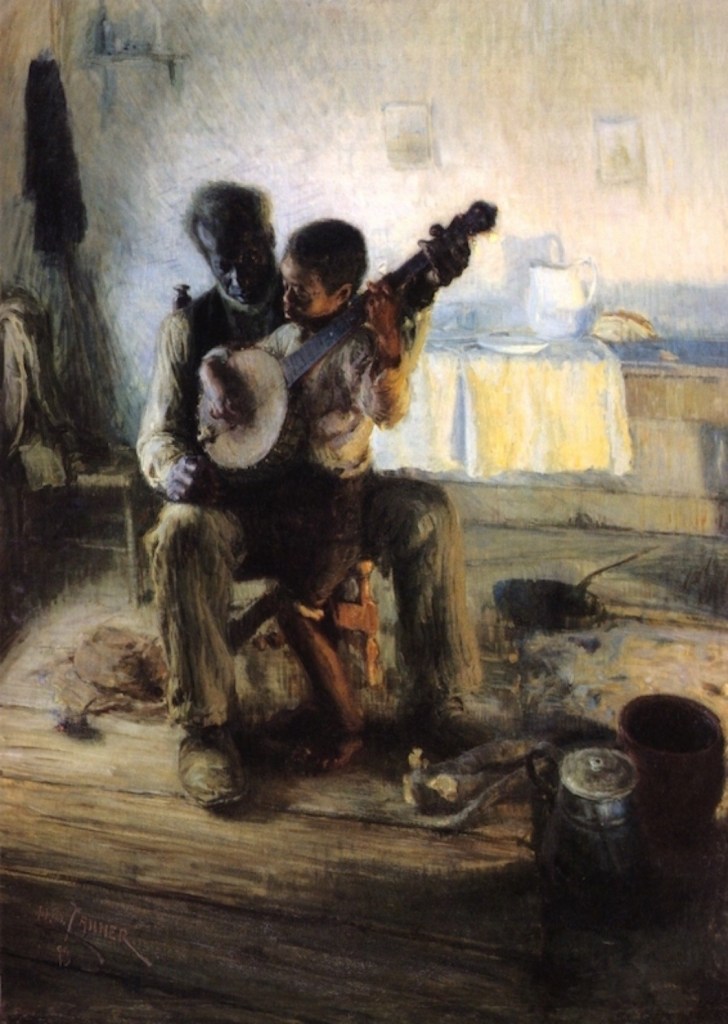
Trained in both Philadelphia and Paris, Henry O. Tanner’s (1859 – 1937) iconic The Banjo Lesson, 1839 became the breakthrough painting that unshackled African-American art and the representation of African-Americans in art from the ties of White America and its artists. This incredibly tender and soulful painting of a grandfather teaching his grandson to play the symbolic banjo became the “image of generational torch-passing,” (Farisa Khalid, smarthistory).

Here, finally we have agency – an African-American artist, painting something he could have seen reflected in a mirror.

Sitting in their humble abode, with the light finally focused on them, the “grandfather is the past, the old America of slavery and The Civil War, of oppression, racism, and poverty, while the boy, caught in the warm glow of the fire’s light, is the New America, of renewed opportunities, advancement, education, and new beginnings” (Farisa Khalid, smarthistory).

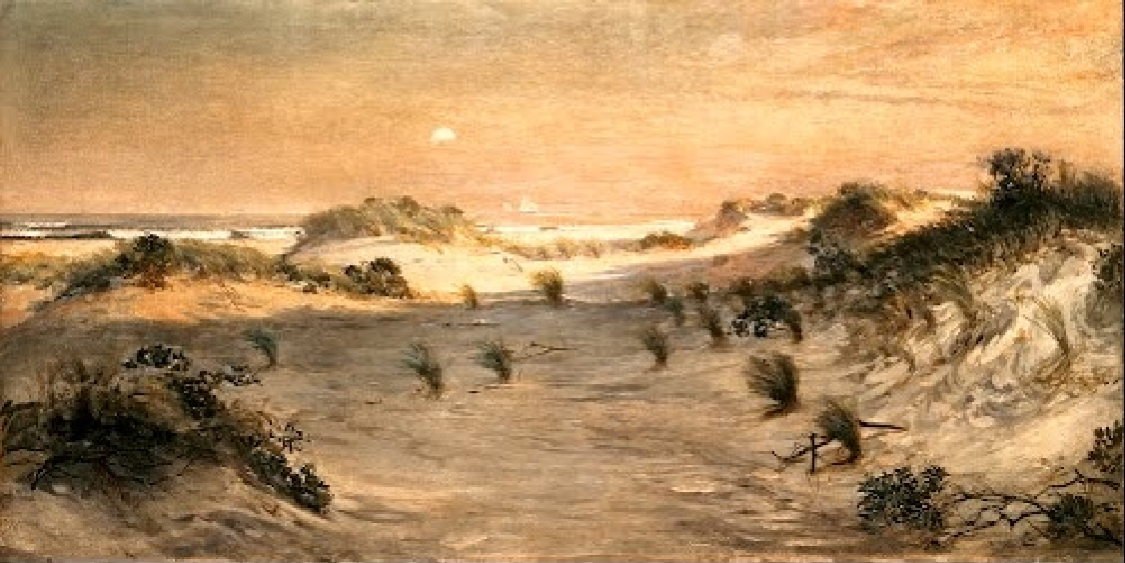
Other works of Henry O. Tanner.