Breaking down a Billion

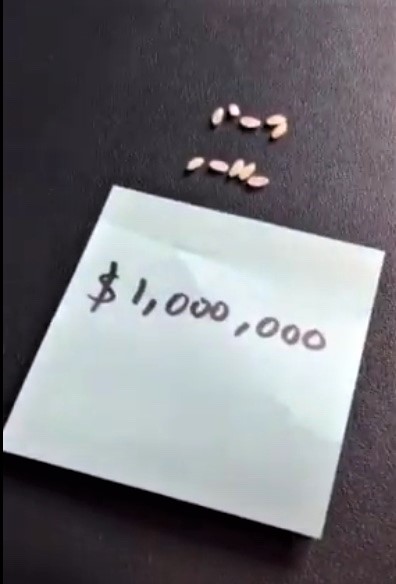
As the world gets more and more billionaires, and the income disparity gets wider with each passing day, I thought it made sense to comprehend how much a billion actually is. I found these on Twitter, UC Berkeley site, and various other places on the internet. Each one attempts to explain a billion in a relatable way, and blows your mind in the process.

  • If you were born in 1492 and made $5,000 every, single day from then until today you would still not have a billion dollars.
  • A billion seconds is 32 years.
  • If you make $100,000 a year, you would need to work for 10,000 years to earn a billion dollars.
  • If you save $100 per day it would take you 27,398 years to save a billion.
  • If you start saying the numbers that make up a billion at an average rate of one number every 3 second (which in reality is probably a lot faster than you can say the bigger numbers), it will still take you over 95 years to say all the numbers.
  • Asterisks on paper – if you fill up one piece of paper with 4000 asterisks – you will need 250,000 pieces of paper to show 1 billion asterisks.
  • A billion step hike – you could circumnavigate the equator 15 times with 1 billion steps.

Hope that helps make sense of the staggering wealth of the word’s richest, and the wide impassable chasm that seems to exist in income equality.

(Images courtesy Humphrey Yang’s Tiktok)

Sunday Seven – Walt Disney

Last week at a debate tournament, the impromptu speaking event was based on Walt Disney’s quotes – which seemed too perfect to not use them for this week’s Sunday Seven. These quotes make you realize what a happy and positive person Walt Disney really was.

  • I only hope that we will never lose sight of one thing – that it was started by a mouse.
  • All our dreams can come true, if we have courage to pursue them.
  • When you wish upon a star, makes no difference who you are.
  • It’s kind of fun to do the impossible.
  • There is more treasure in books than in all the pirate’s loot on Treasure Island.
  • The way to get started is to quit talking and begin doing.
  • We keep moving forward, opening new doors, and doing new things, because we’re curious and curiosity keeps leading us down new paths.
  • When you’re curious, you find lots of interesting things to do.
  • When you believe in a thing, believe in it all the way, implicitly and unquestionably. The more you like yourself, the less you are like anyone else, which makes you unique.

Horace to Horace: Serendipity.

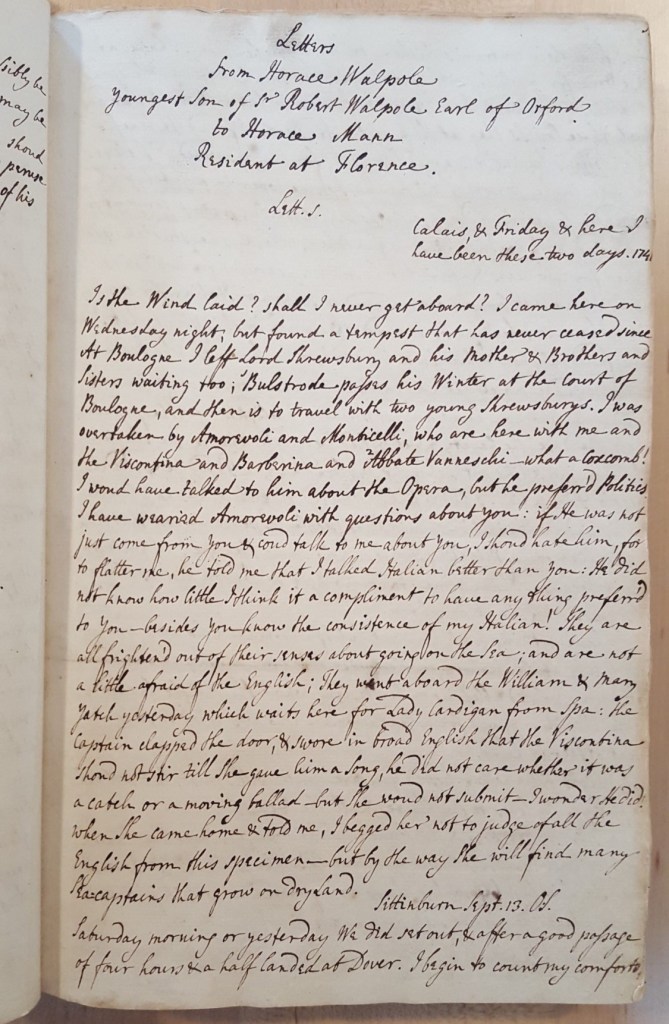
Letter published by Yale University Press.

On January 28, 1754, Horace Walpole, the 4th Earl of Orford and a voracious letter writer, wrote a letter to Horace Mann, in which he coined the word serendipity. Horace Mann (1706 – 1786) was a British diplomat who lived in Florence and kept an open house for the English gentry that traveled to Florence. Walpole met Mann in 1739 during one on his trips to Florence, and the two started a correspondence which lasted over 40 years. It was in one of these letters that Walpole coined the word.
The letter itself not only explains why he used the word, but why he thought it was a most appropriate word to be used. Walpole had made a discovery of a connection between two old European families by finding a link between their coats of arms. Walpole continues in his letter:

“This discovery I made by a talisman, which Mr. Chute calls the Sortes Walpoliance, by which I find everything I want, a pointe nommee, whenever I dip for it. This discovery, indeed, is almost of that kind which I call Serendipity, a very expressive word, which, as I have nothing better to tell you, I shall endeavor to explain to you: you will understand it better by the derivation than the definition. I once read a silly fairy tale, called “The Three Princes of Serendip” ;  as their Highnesses travelled, they were always making discoveries, by accidents and sagacity, of things which they were not in quest of: for instance, one of them discovered the a mule blind of the right eye had travelled the same road lately, because the grass was eaten only on the left side, where it was worse than on the right – now do you understand Serendipity? One of the most remarkable instances of this accidental sagacity, (for you must observe than no discovery of a thing you are looking for comes under this description,) was of my Lord Shaftsbury, who, happening to dine at Lord Chancellor Clarendon’s, found out the marriage of the Duke of York and Mrs. Hyde by the respect with which her mother treater her at table…”

Horace Walple letter to Horace Mann, January 28, 1754
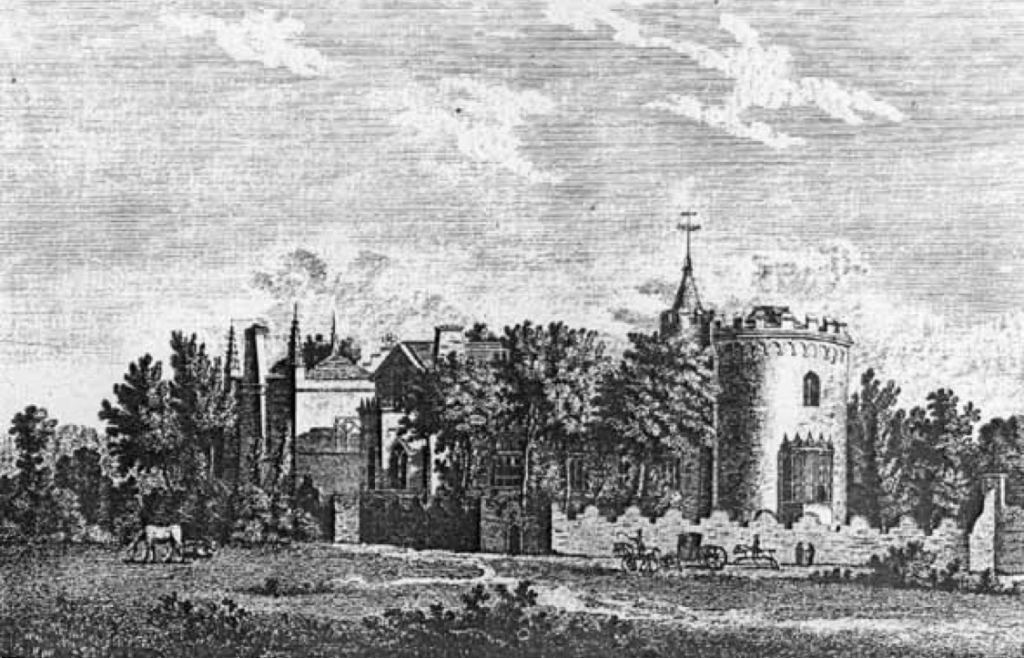
Horace Walpole’s Gothic Style Strawberry Hill House

Along with coining serendipity, Horace Walpole was an author, a politician, and is known for reviving the Gothic style of both writing (The Castle of Otranto, 1764) and architecture (in his home Strawberry Hill near London). Yale University Press published all his letters in 48 volumes.

Sunday Seven – Andy Warhol

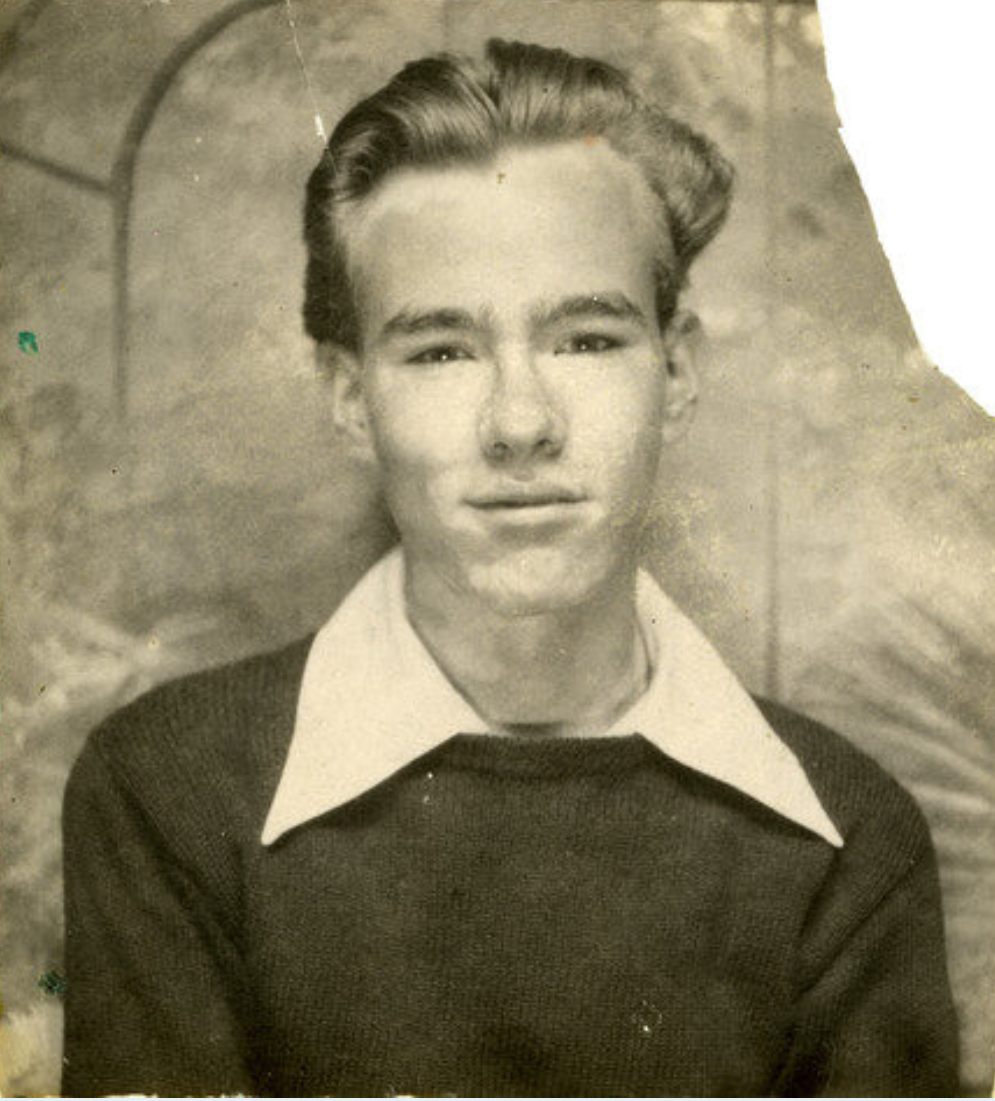
The Great American pop artist Andy Warhol died on Feb 22, 1987.  Not only was he an incredibly talented artist, he was the master of the unexpected and had some absolutely brilliant and witty quotes.  Here are some of his gems as this week’s Sunday Seven:

  • People should fall in love with their eyes closed.
  • Don’t pay attention to what they write about you. Just measure it in inches.
  • I just do art because I’m ugly and there’s nothing else for me to do.
  • The idea is not to live forever, it is to create something that will.
  • In the future, everyone will be world famous for fifteen minutes.
  • I never fall apart, because I never fall together.
  • As soon as you stop wanting something you get it.
  • It’s not what you are that counts, it’s what they think you are.
  • Art is what you can get away with.

Serendipity – From Persian Poets to the Earl

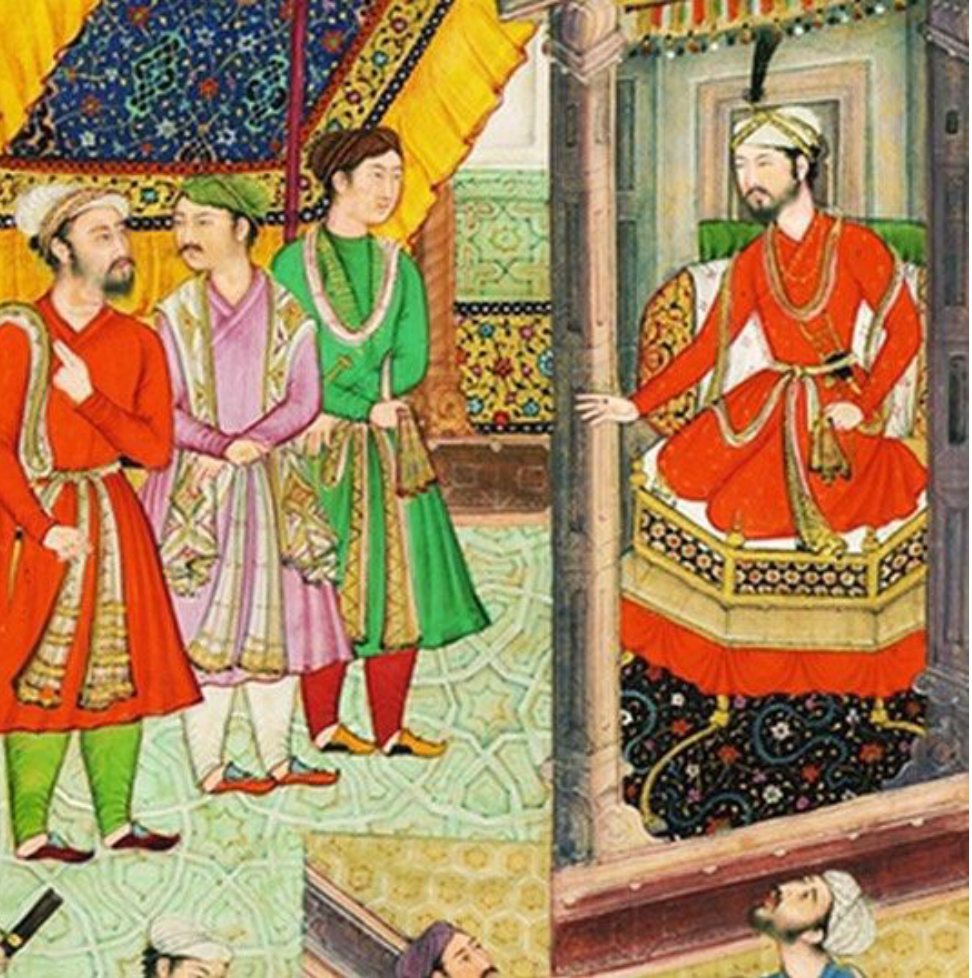
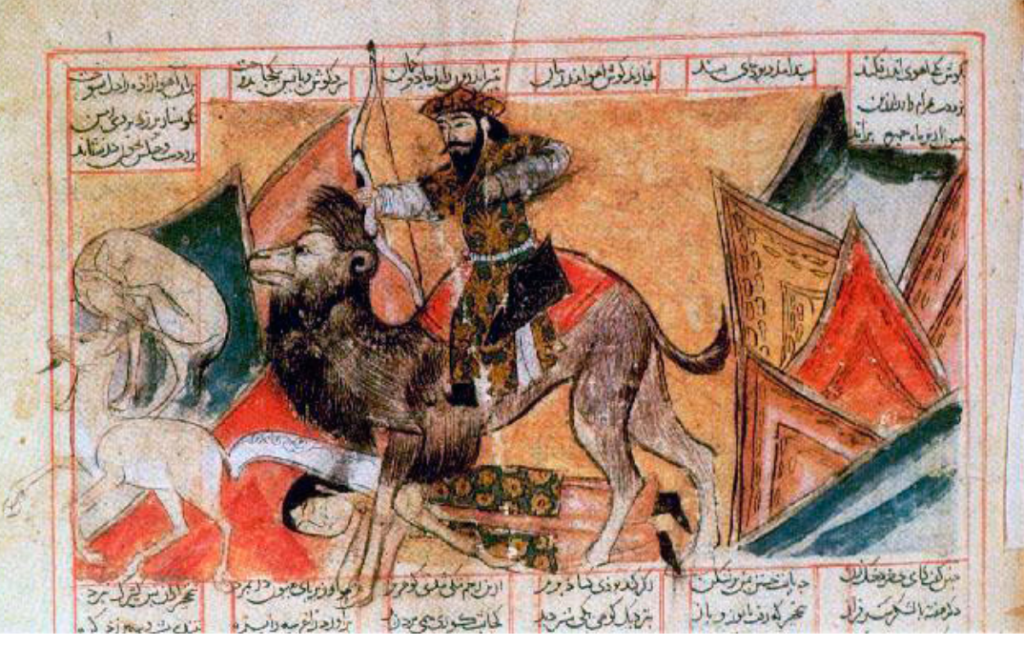
From 420 – 438 CE, there ruled a Sasanian king by the name of Bahram Gor (406 – 438 CE) in Persia. He was a benevolent ruler whose reign was mostly peaceful. He is however mostly remembered for being the favorite protagonist of Persian poets.

Emperor Bahram Gor – a favorite of poets

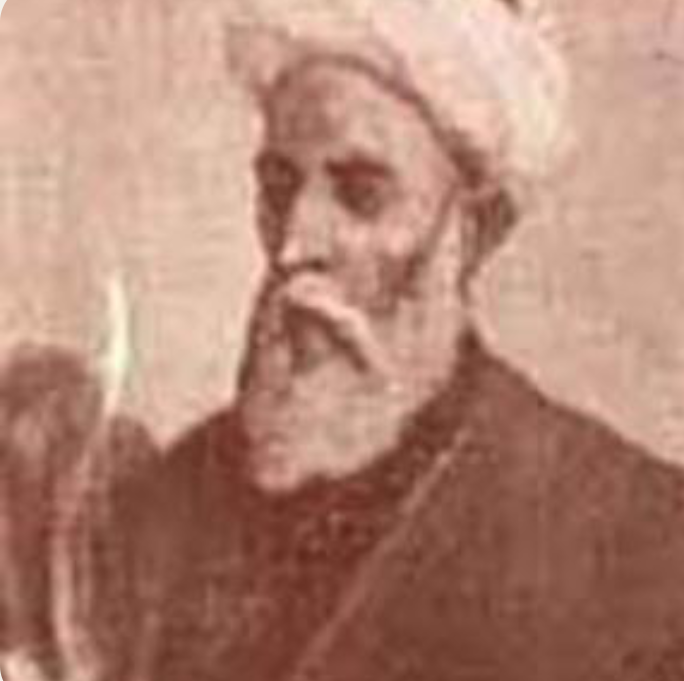
The first poet to write about Bahram was Ferdowsi (940 – 1020), who made him the central figure in Ferdowsi’s epic masterpiece Shahnameh (Book of Kings) written between 977 and 101 CE.

Then in 1197, Bahram was the main protagonist in Nizami Ganjavi’s (1141 – 1209) romantic poem Haft Paykar (Seven Beauties), which was based on the Shahnameh. This was followed in 1302 by the poem Hasht-Bihisht (Eight Paradises) which was written by Amir Khosrow (1253 – 1325), and was based on Haft Paykar. Hasht-Bihisht is also framed around folktales and legends of Bahram Gor. However, in this poem Khosrow added the story of the Three Princes of Serendip.

The Italian Translation

An Armenian, known as M. Christoforo Armeno, who was born in Tabriz, Iran in the 16th Century, and was fluent in both Persian and Italian translated the story of the Three Princes of Serendip from Khusrow’s Hasht-Bihisht into Italian. He told the story verbally to a Venetian printer named Tramezzino  who published the story in a small volume of Oriental Tales under the name of Peregrinnagio di tre figluoli del re di Serendippo in 1557.

With this translation, the legends and folklore associated with Bahram Gor finally entered Europe, gained a great deal of popularity, and were translated into German and French. Chevalier de Mailly’s French translation was further translated into English in 1722, and published under the title, The Travels and Adventures of Three Princes of Serendip.

Henry Walpole, 4th Earl of Orford

It was this translation that Henry Walpole (1717–97), son of British Prime Minister Robert Walpole and the 4th Earl of Orford read as a child and remembered long after as an adult when he coined the word “serendipity’ in a letter he wrote to his friend Horace Mann on January 28, 1754.

Sunday Seven – Valentine’s Day

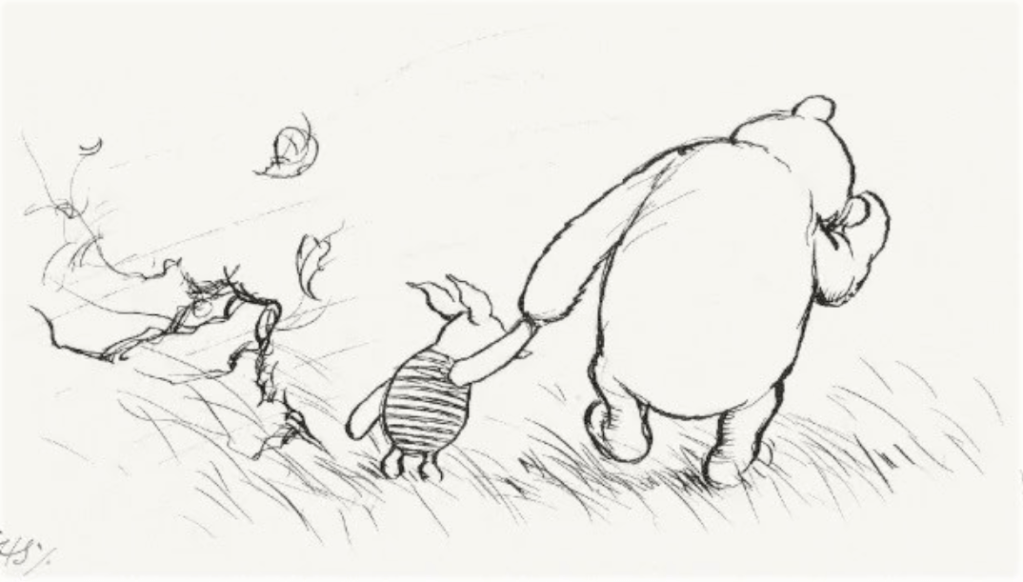
  • If you live to be a hundred, I want to live to be a hundred minus one day, so I never have to live without you (A.A. Milne, Winnie the Pooh).
  • All, everything that I understand, I understand only because I love (Leo Tolstoy, War and Peace).
  • For you, a thousand times over (Khaled Hosseini, The Kite Runner).
  • If you ever need of my life, come and take it (Anton Chekhov, The Seagull).
  • You gave me a forever within the numbered days, and I’m grateful (John Green, The Fault in Our Stars).
  • Her love was entire as a child’s, and though warm as summer it was fresh as spring (Thomas Hardy, Far From the Madding Crowd).
  • You might not have been my first love, but you were the love that made all other loves irrelevant ( Rupi Kaur, milk and honey).

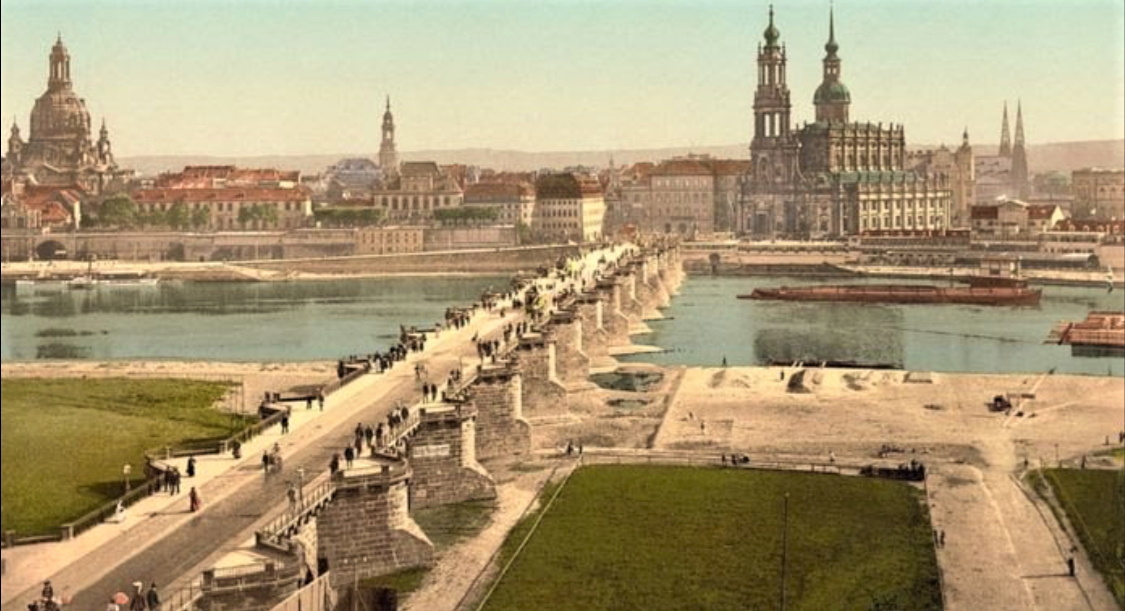
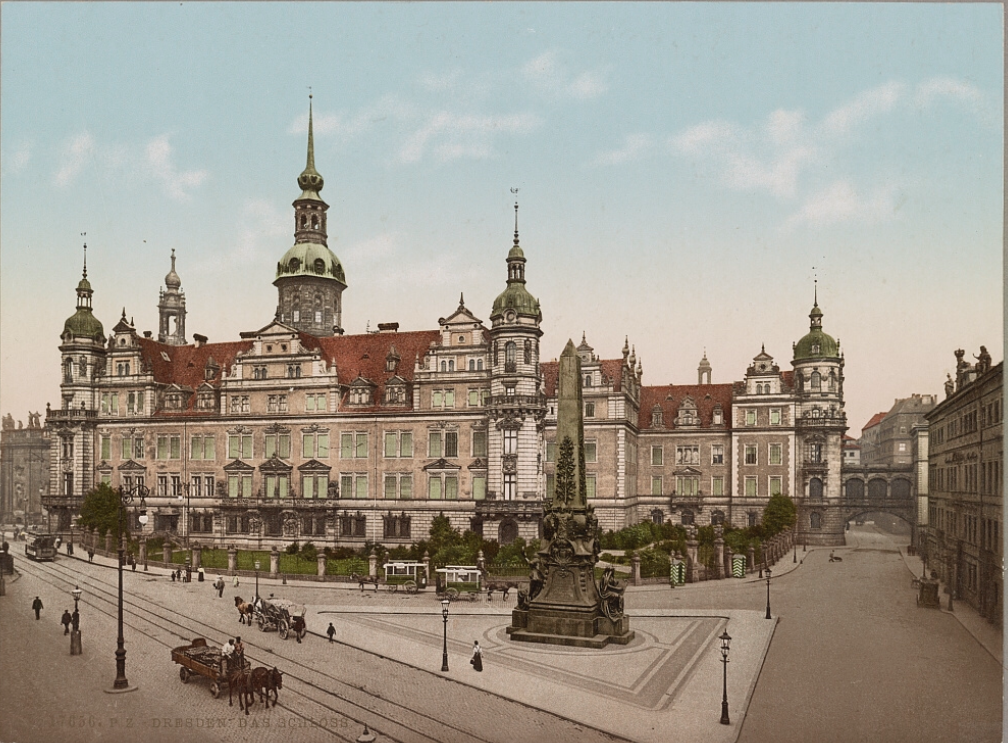
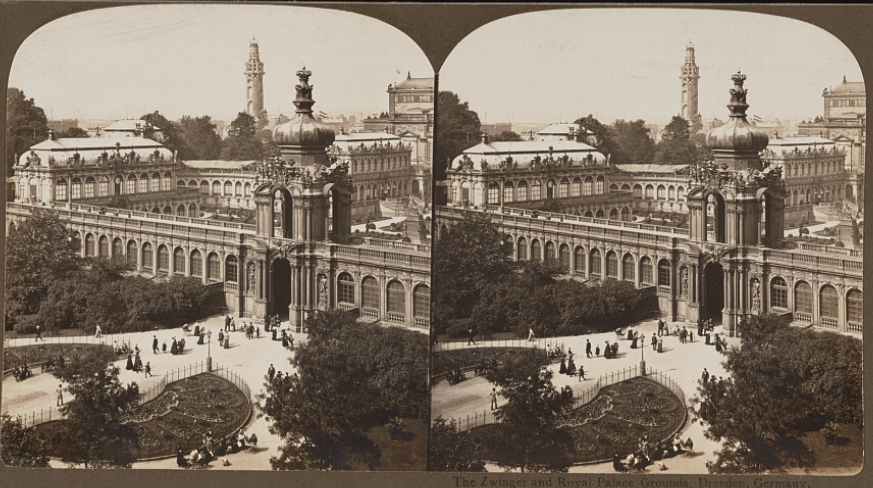
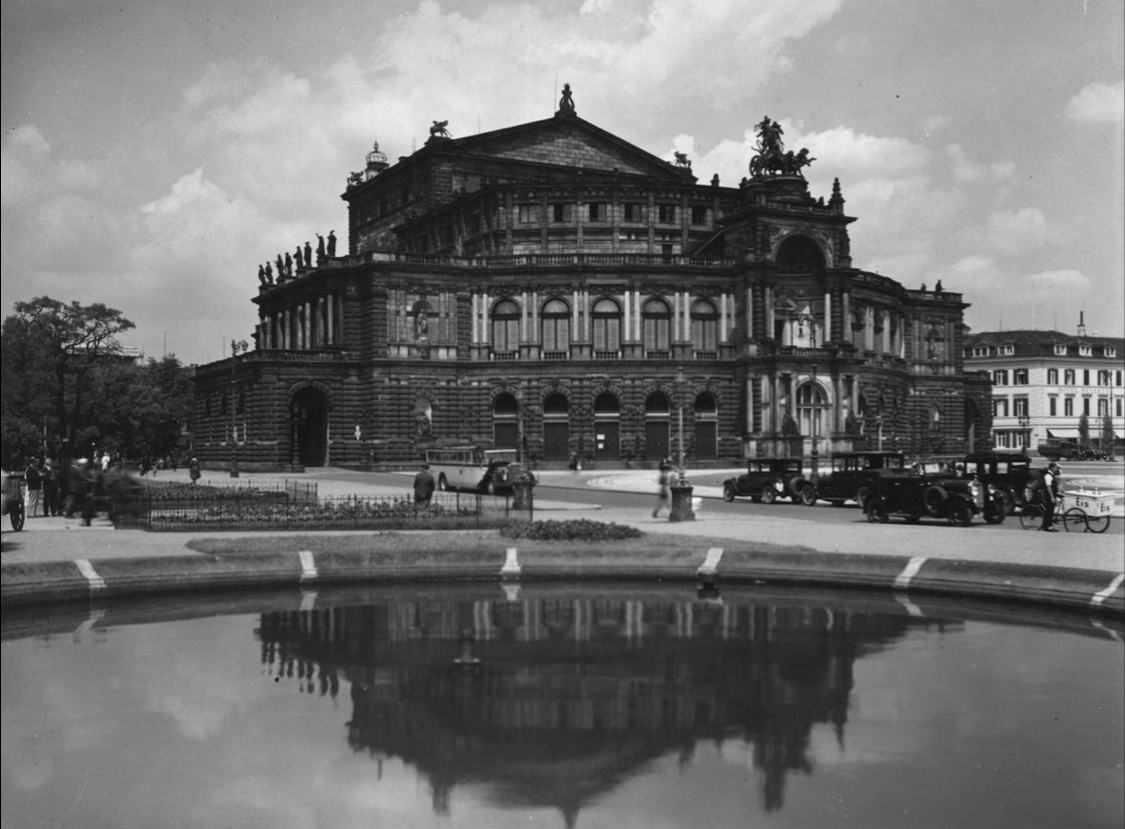
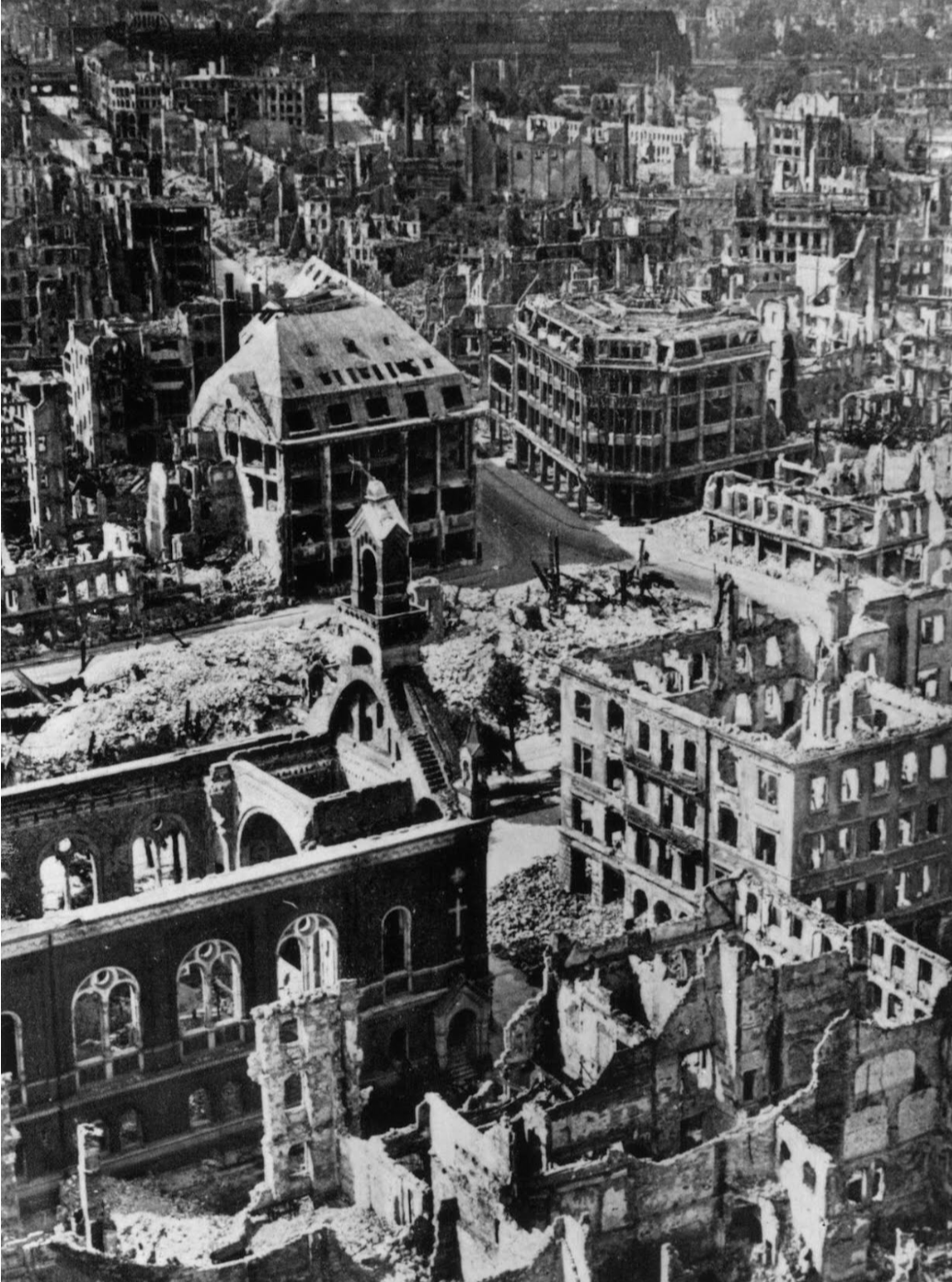
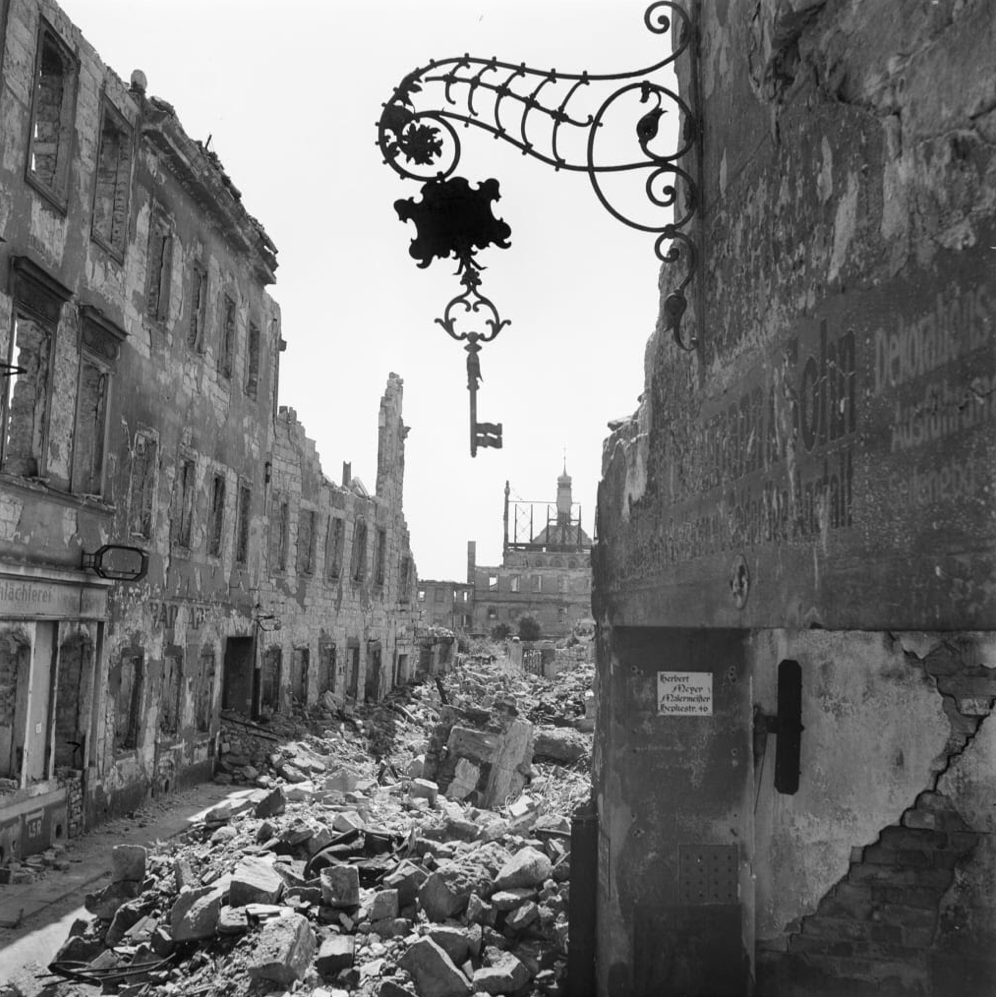
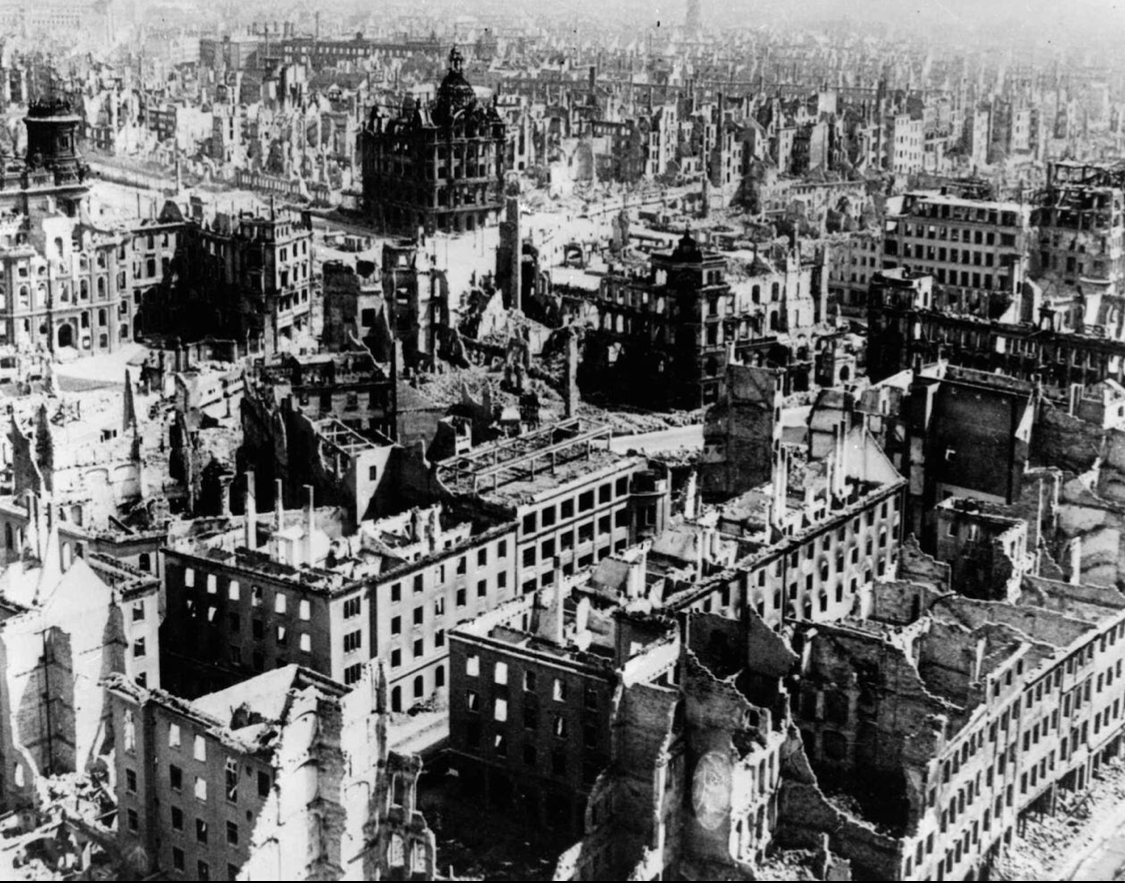
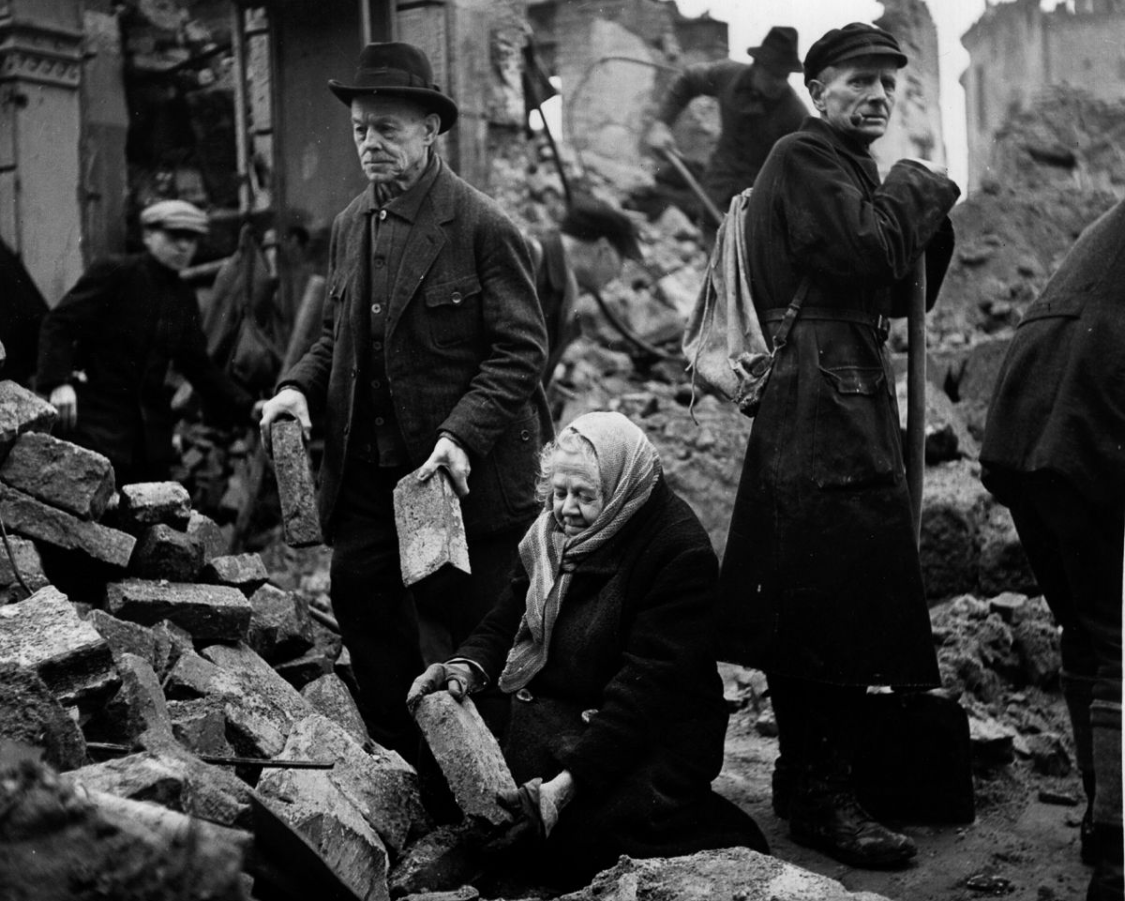
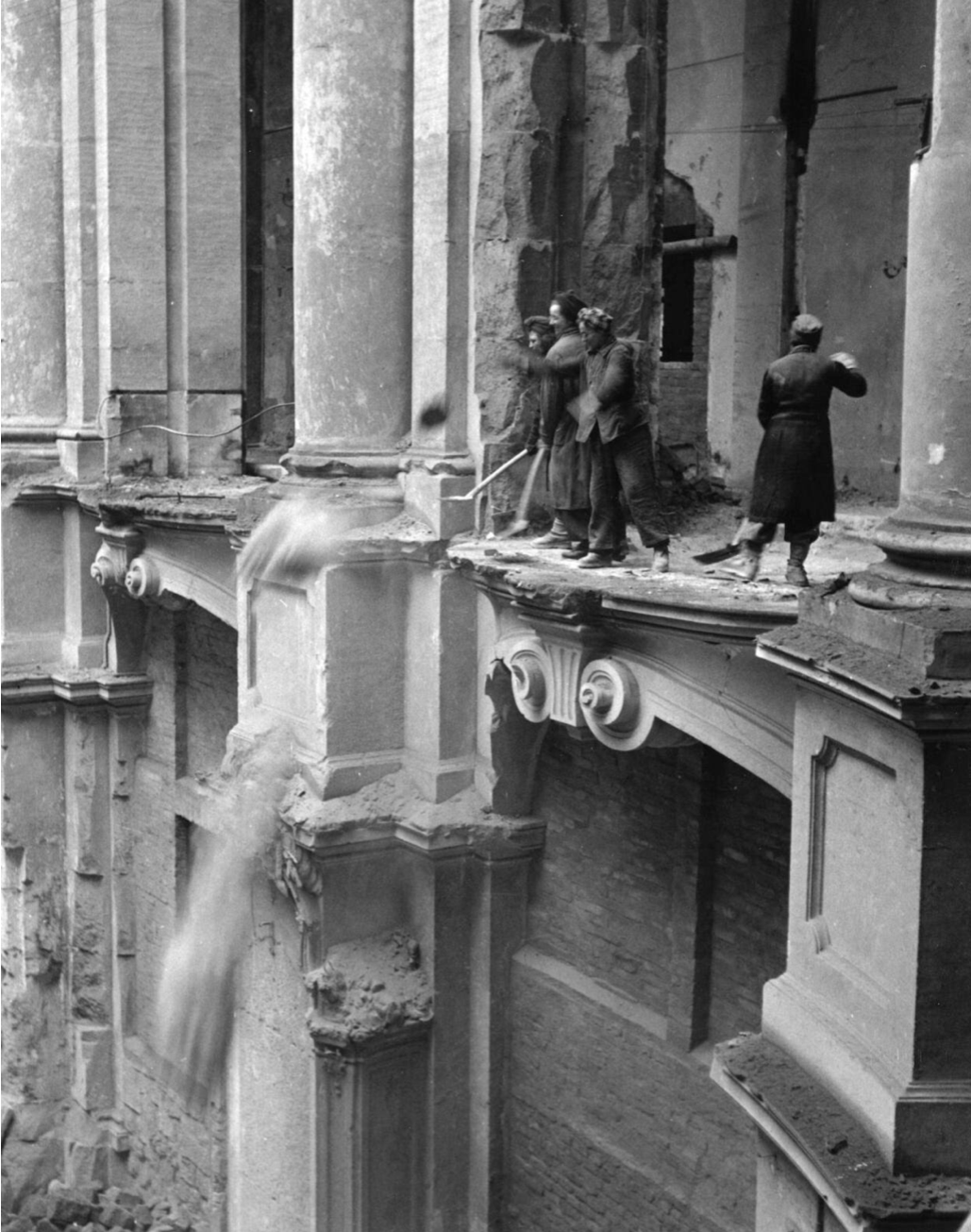
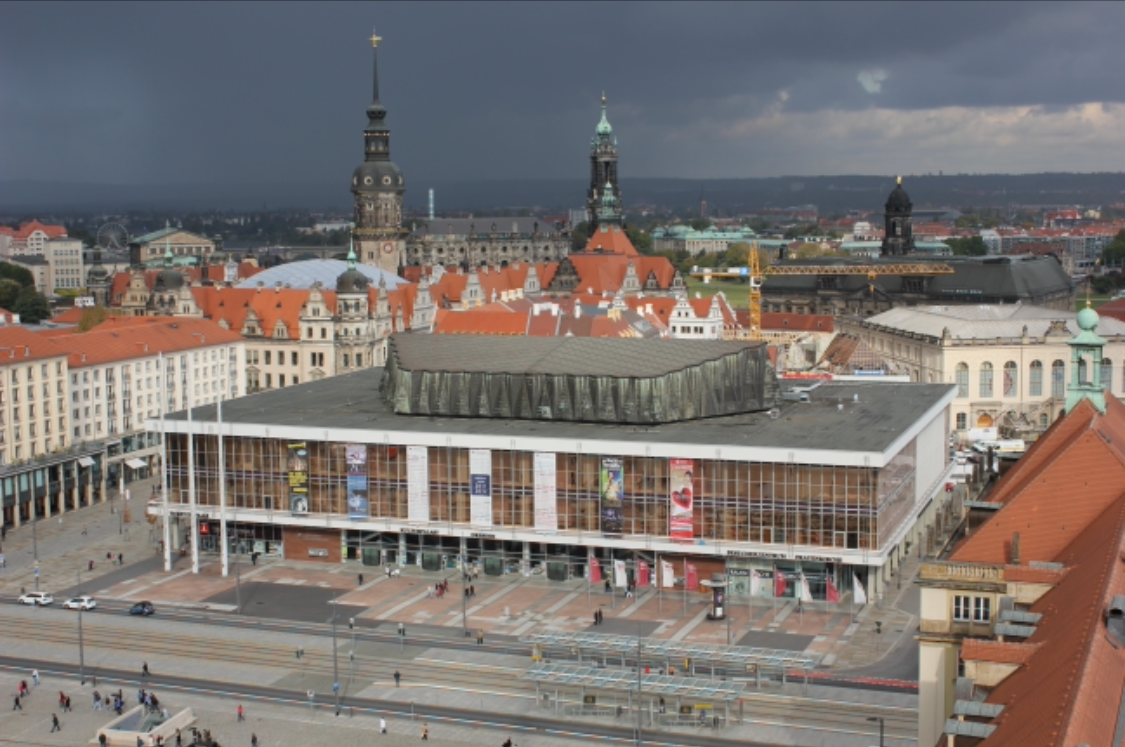
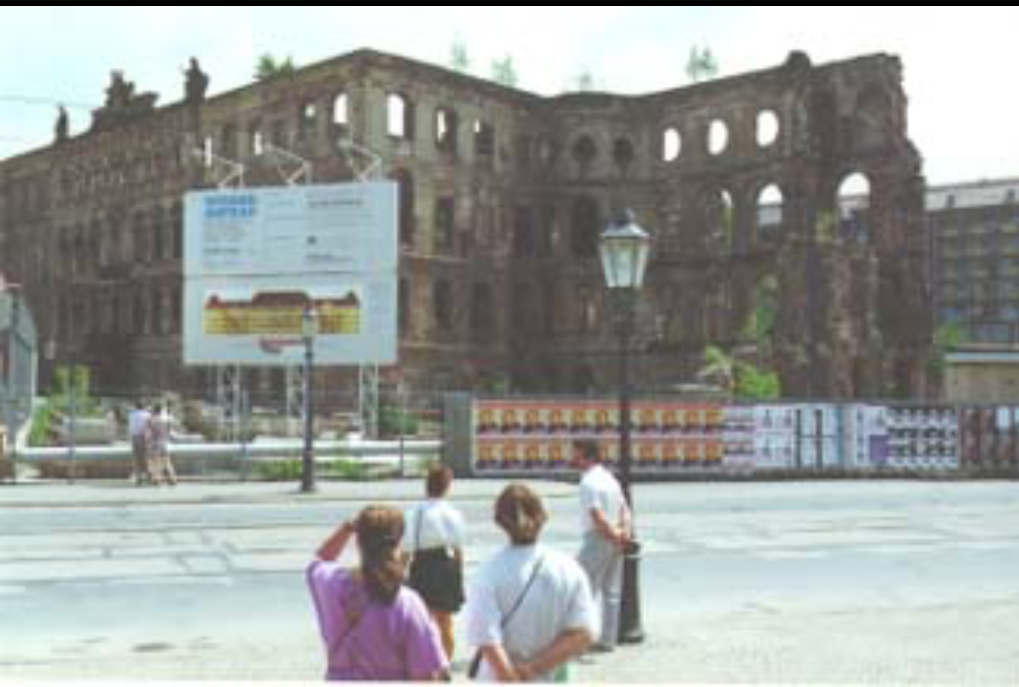
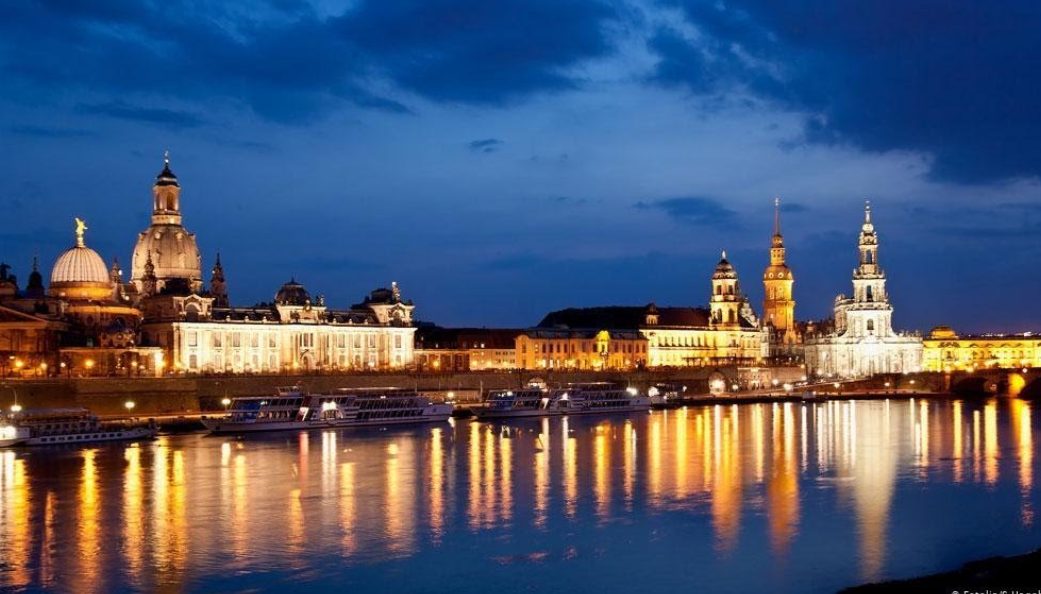
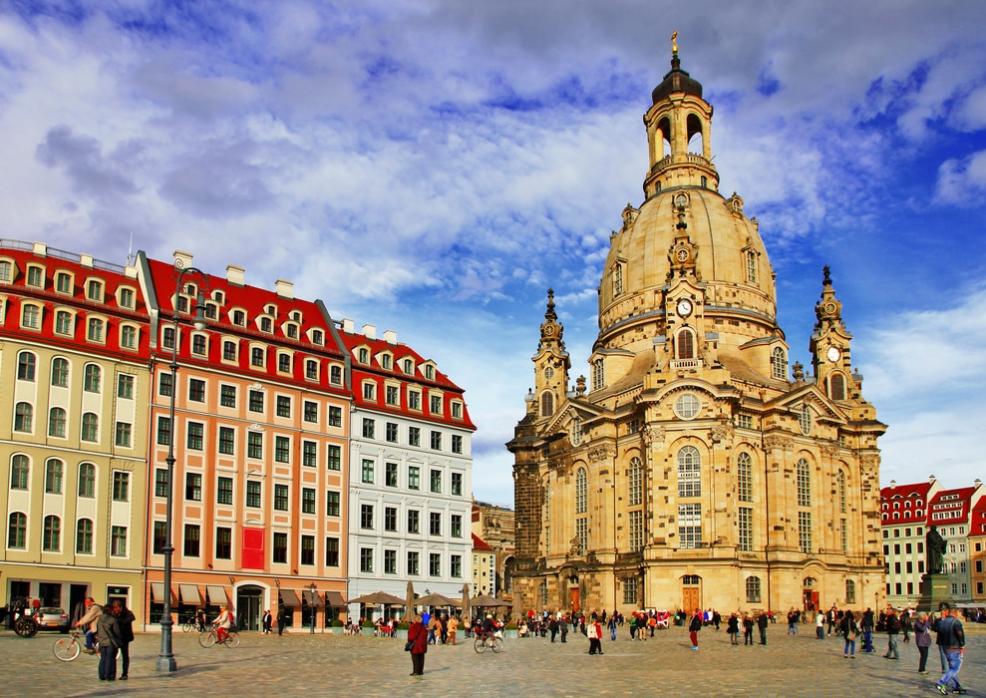
Dresden: Phoenix Rising

Before World War II

February 13 – 15 , 1945 – the Allied bombing of Dresden

Aftermath & Rebuilding of Dresden – brick by brick

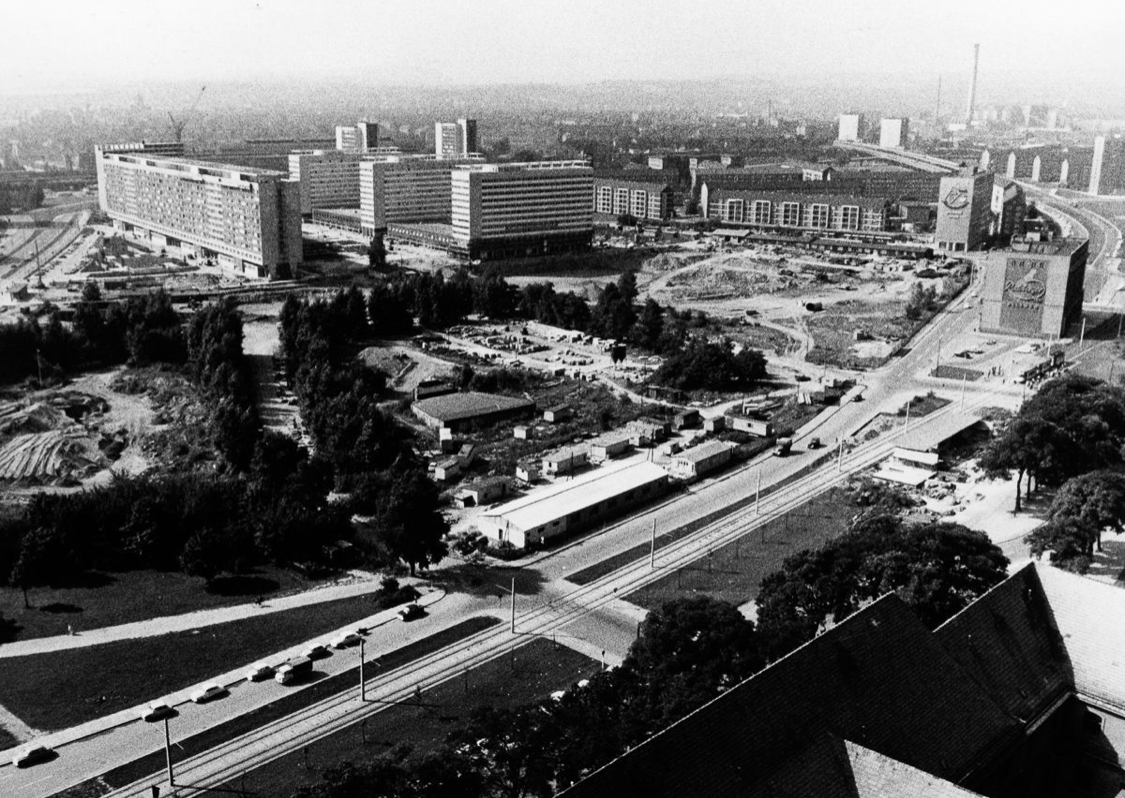
Dresden as part of communist DDR – the city lay in ruins until the 1990s

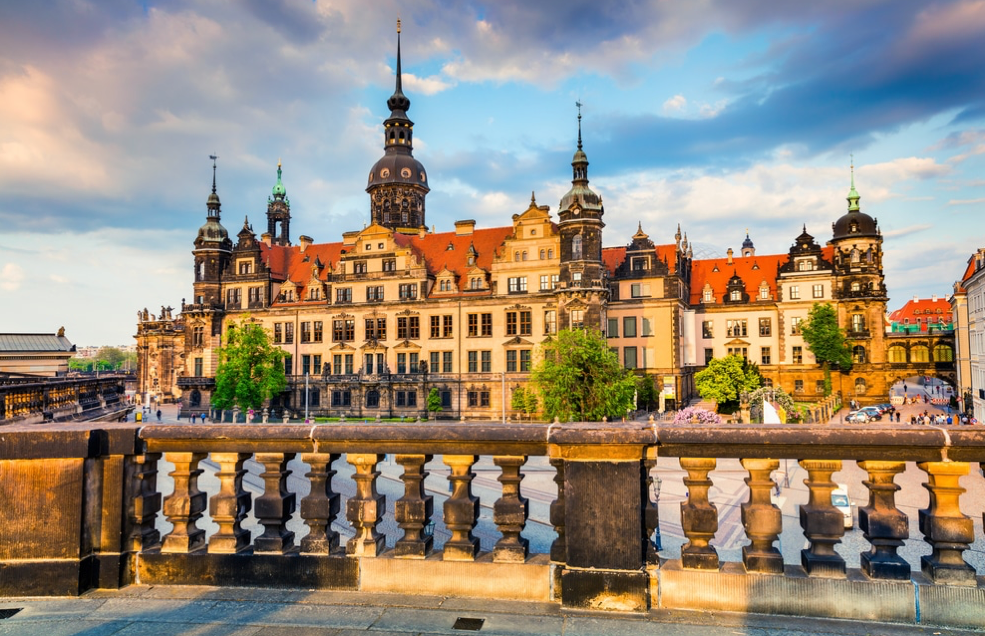
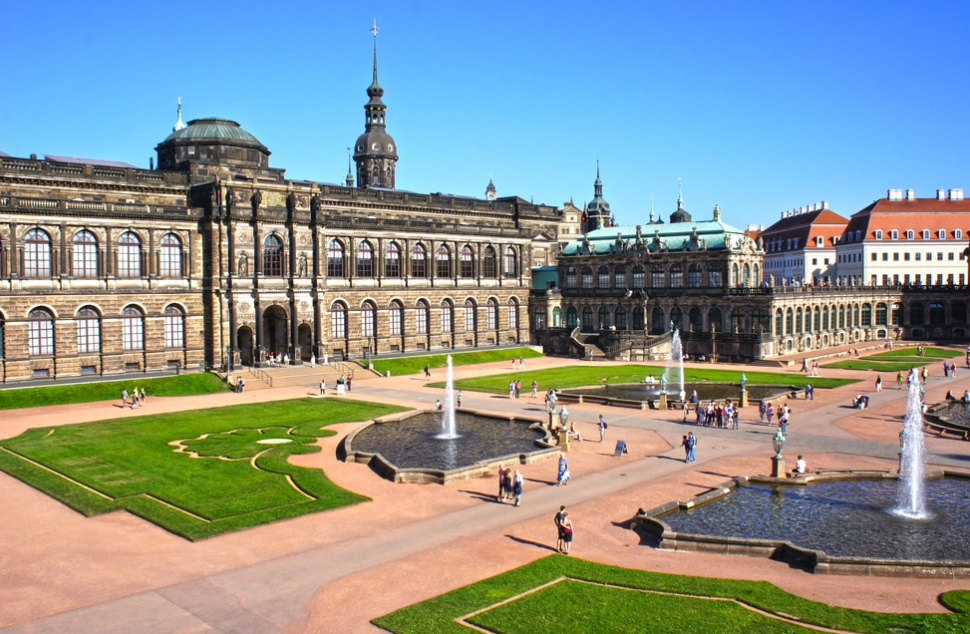
Dresden is rebuilt to its former glory after reunification

(All images courtesy of AP, loc.gov, Dresden tourism sites)

Sunday Seven – New York City

I went on an Art History trip to New York City recently.  I am amazed at the vibrancy of the city – it is full of life and lights.  My Sunday Seven this week are an ode to this gorgeous city and its friendly people.

The city seen from the Queensboro Bridge is always the city seen for the first time, in its first wild promise of all the mystery and beauty in the world (F. Scott Fitzgerald).

Everybody ought to have a lower East Side in their life (Irving Berlin).

I would give the greatest sunset in the world for one sight of New York’s skyline (Ayn Rand).

Once you have lived in New York and it has become your home, no place else is good enough (John Steinbeck).

One belongs to New York instantly, one belongs to it as much in five minutes as in five years (Tom Wolfe).

It couldn’t have happened anywhere but in little old New York (O’Henry).

I love New York, even though it isn’t mine, the way something has to be, a tree or a street or a house, something, anyway that belongs to me because I belong to it (Truman Capote).

The Gift of the Windmills

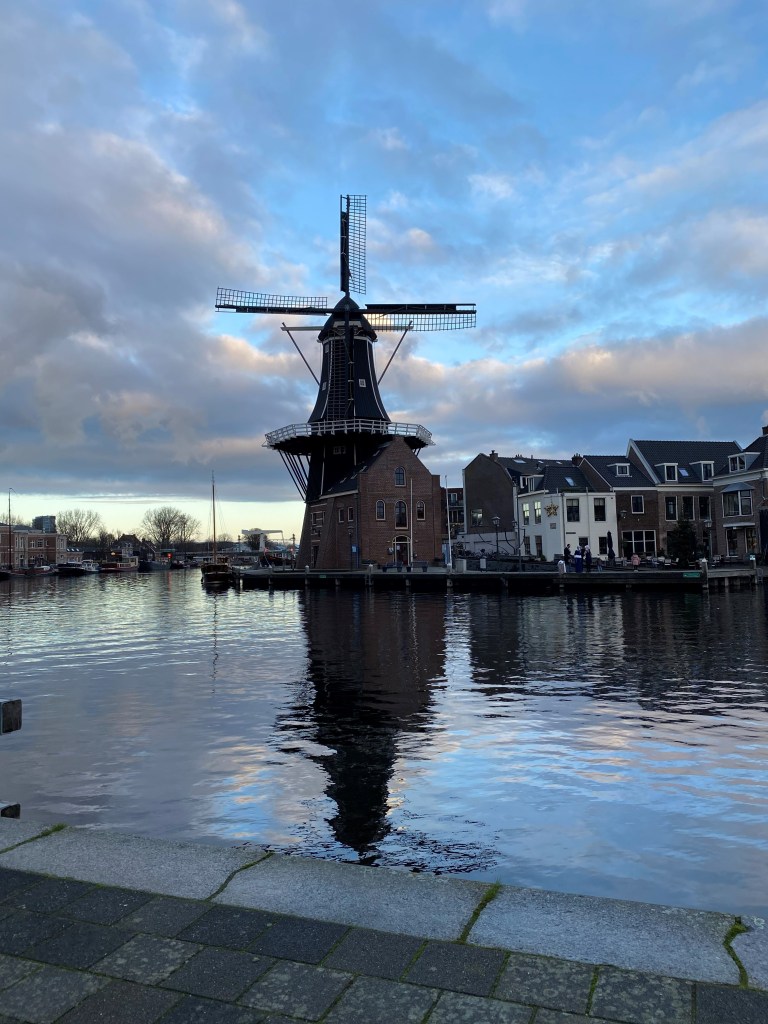
De Adriaan Windmill, Haarlem, Netherlands

It is a well-known phrase that Egypt is the Gift of the Nile.  This got me thinking about other places that may not have existed, or thrived to the degree they do, if something essential to their existence was missing.  One such example is the Netherlands which can be considered the gift of the windmills. These beautiful wooden structures dot the landscape and are as quintessentially Dutch as tulips or even Gouda Cheese. 

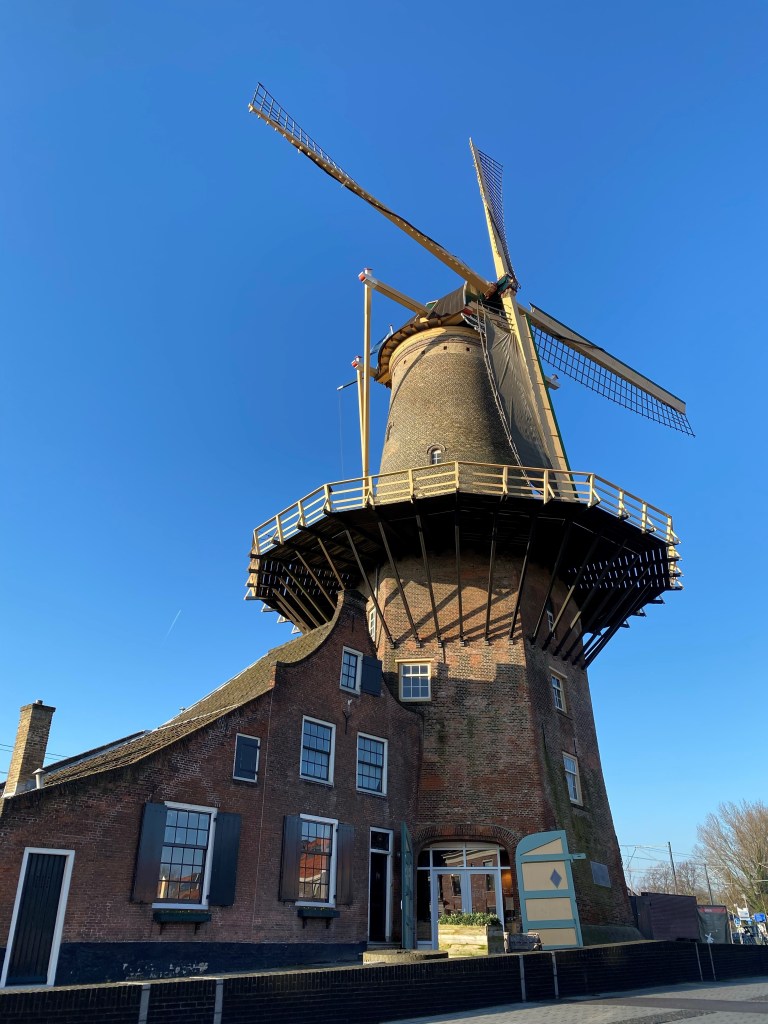
de Roos Windmill, Delft, Netherlands

The Netherlands is built on land that is below sea level and is made up of wetland, swamps, and marshes. In the Middle Ages, Netherlands was constantly getting flooded causing entire villages to get washed away.  To make the land habitable it had to be drained.  Reclaiming the land from the sea required the work of many generations of Dutch people. 

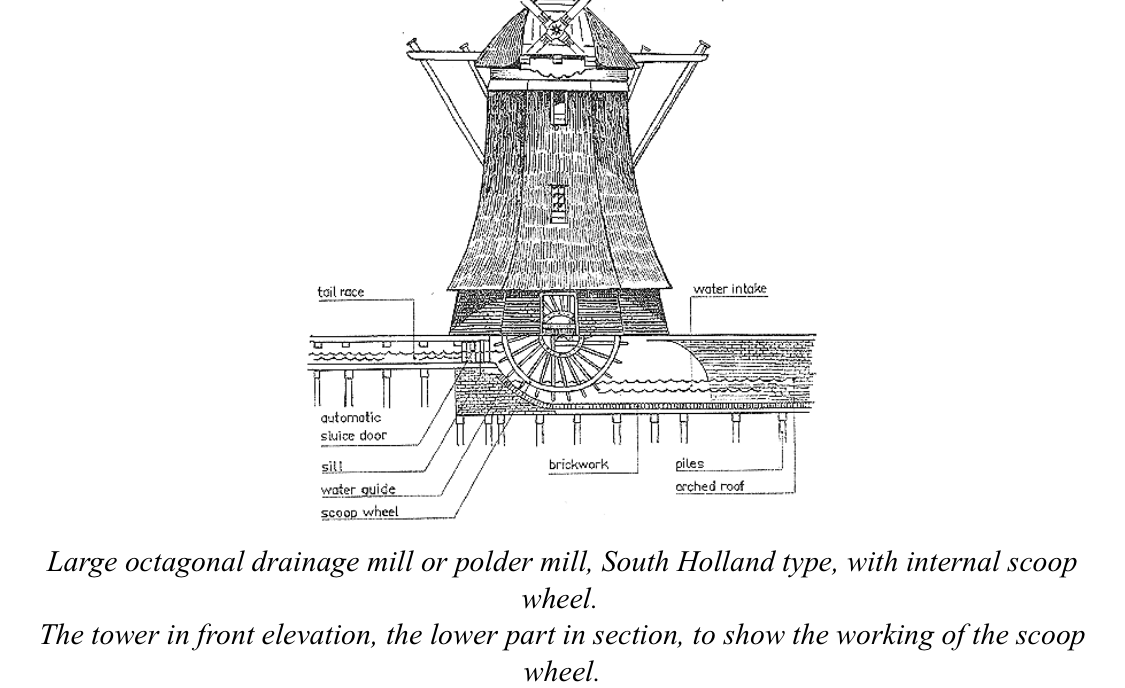
The land was first surrounded by dykes and dams, and then water was drained out of this land. To do this, the Dutch used windmills which harnessed wind energy and allowed them to reclaim land from the sea.  The reclaimed land is known as polder, and the windmills that did this work are called Polder mills. These mills are built with strong oak timber frames – some of them have been standing since they were originally built in the 1600s.

The Polder windmills used wind power to turn an Archimedes screw or a water scoop wheel which rotated and lifted water up and over the dyke.   The top of the windmill is a cap like structure to which the large fan blades are attached.  The entire cap section can be rotated so it can be moved according to the direction of the wind, which in turn rotates the fan blades.  The fan is linked to a wooden beam inside the windmill – when the fan rotates, the beam rotates which in turn causes the massive screw or wheel to rotate and lift water out of the ground.  This is how windmills were to increase the size of the country – today, Netherlands is double the size it was in 1600.

Shipbuilding led to the Dutch Golden Age

As mill technology increased, wind energy was used to do many jobs that previously required manual labor.  One direct impact of this technology was the ability to efficiently cut large pieces of timber such as those used for shipbuilding – this led to the Dutch Golden Age of economic prosperity in the 17th century.   
 

So like the Nile River, the windmills of Netherlands are a gift that allowed it to thrive and become a global powerhouse in the 17th century.

Sunday Seven – Kobe Bryant

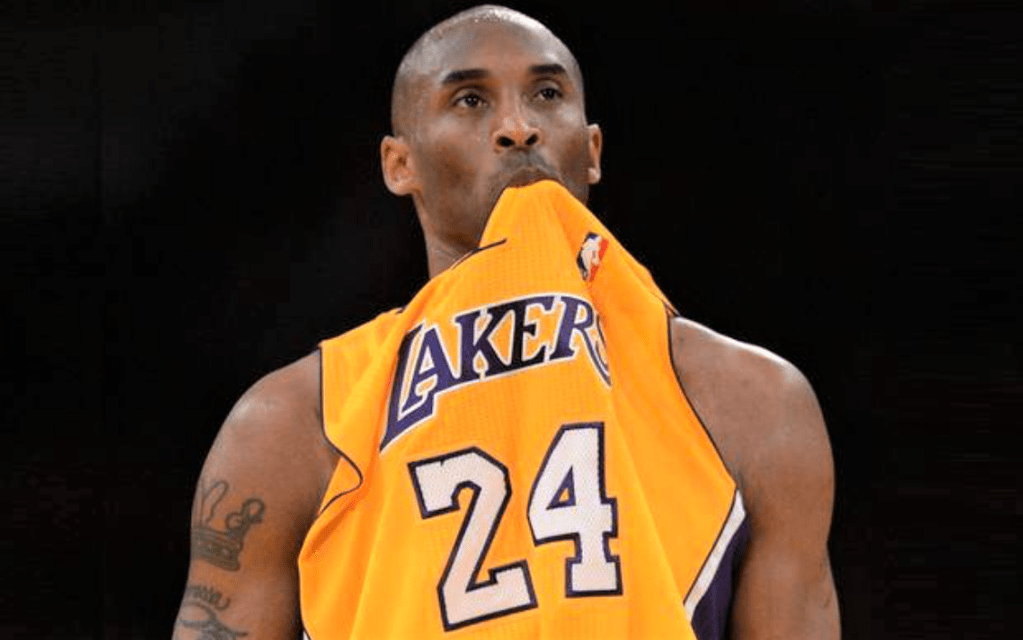
As we all mourn the loss of the legend and his daughter, I thought it would be appropriate to honor his legacy with some of his quotes.

  • If you’re afraid to fail, then you’re probably going to fail.
  • I’m going to do what I always do: I’m going to break it down to its smallest form, smallest detail, and go after it. Day by day, one day at a time.
  • Once you know what failure feels like, determination chases success.
  • I can’t relate to lazy people. We don’t speak the same language. I don’t’ understand you. I don’t  want to understand you.
  • I’m reflective only in the sense that I learn to move forward.  I reflect with a purpose.
  • The beauty in being blessed with talent is rising above doubters to create a beautiful moment.
  • I have self-doubt. I have insecurity. I have fear of failure. I have nights when I show up at at the arena and I’m like, “My back hurts, my feet hurt, my knees hurt. I don’t have it. I just want to chill.” We all have self-doubt. You don’t deny it, but you also don’t capitulate to it. You embrace it.