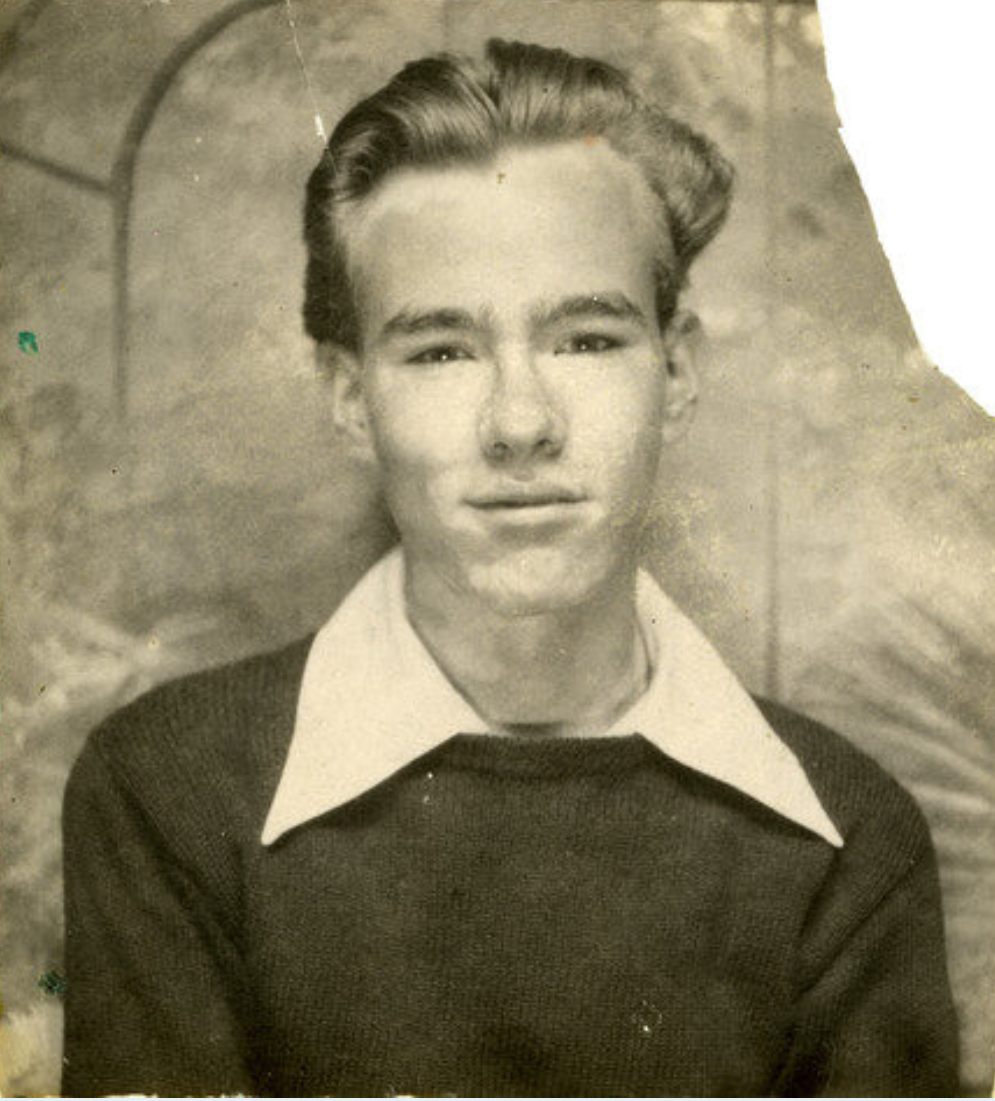
The Great American pop artist Andy Warhol died on Feb 22, 1987. Not only was he an incredibly talented artist, he was the master of the unexpected and had some absolutely brilliant and witty quotes. Here are some of his gems as this week’s Sunday Seven:
People should fall in love with their eyes closed.
Don’t pay attention to what they write about you. Just measure it in inches.
I just do art because I’m ugly and there’s nothing else for me to do.
The idea is not to live forever, it is to create something that will.
In the future, everyone will be world famous for fifteen minutes.
I never fall apart, because I never fall together.
As soon as you stop wanting something you get it.
It’s not what you are that counts, it’s what they think you are.
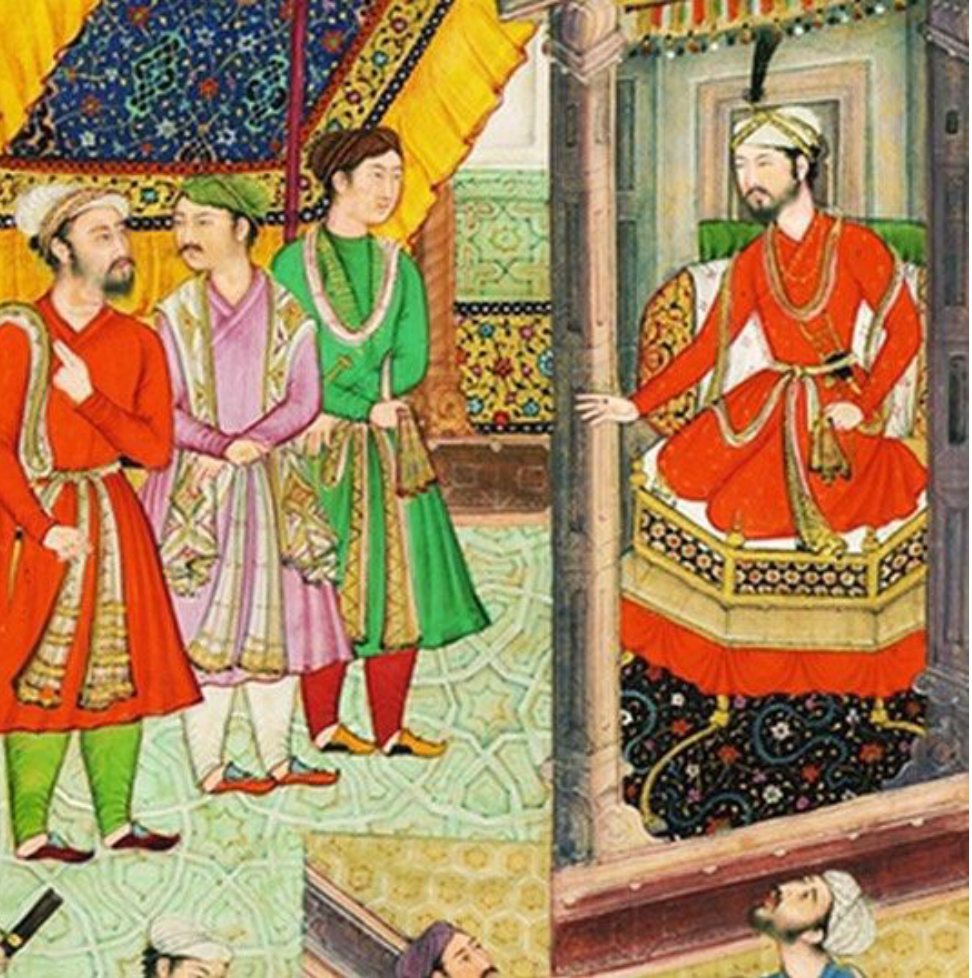
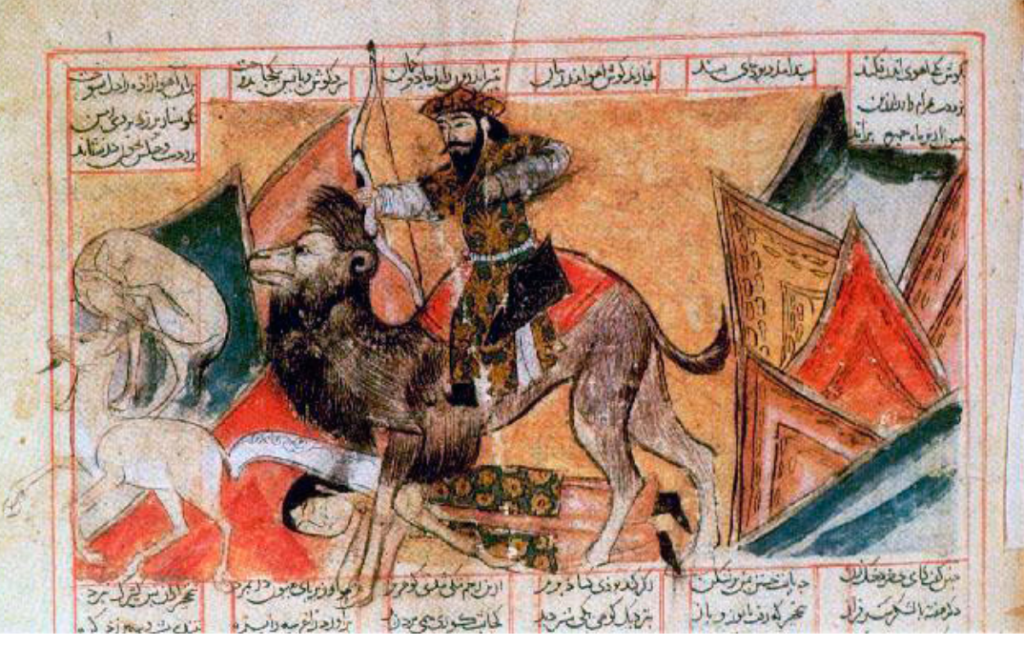
From 420 – 438 CE, there ruled a Sasanian king by the name of Bahram Gor (406 – 438 CE) in Persia. He was a benevolent ruler whose reign was mostly peaceful. He is however mostly remembered for being the favorite protagonist of Persian poets.
Emperor Bahram Gor – a favorite of poets
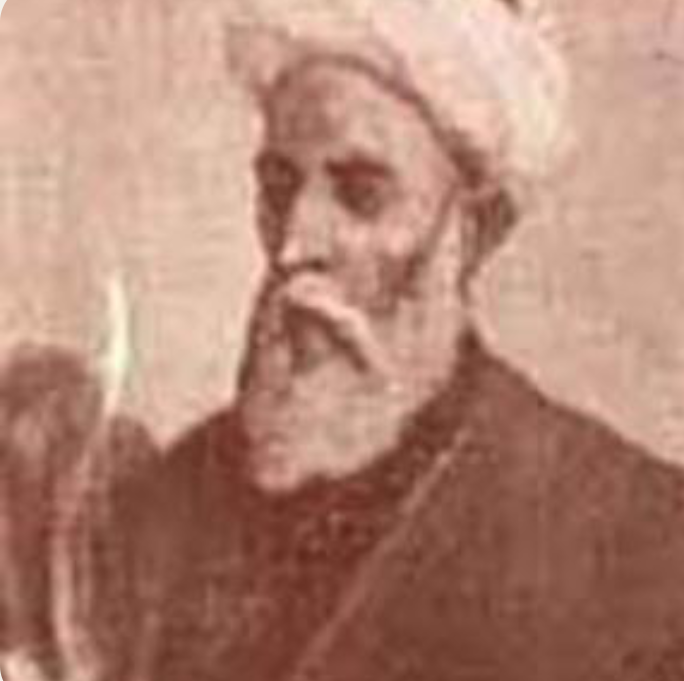
The first poet to write about Bahram was Ferdowsi (940 – 1020), who made him the central figure in Ferdowsi’s epic masterpiece Shahnameh (Book of Kings) written between 977 and 101 CE.
Then in 1197, Bahram was the main protagonist in Nizami Ganjavi’s (1141 – 1209) romantic poem Haft Paykar (Seven Beauties), which was based on the Shahnameh. This was followed in 1302 by the poem Hasht-Bihisht (Eight Paradises) which was written by Amir Khosrow (1253 – 1325), and was based on Haft Paykar. Hasht-Bihisht is also framed around folktales and legends of Bahram Gor. However, in this poem Khosrow added the story of the Three Princes of Serendip.
The Italian Translation
An Armenian, known as M. Christoforo Armeno, who was born in Tabriz, Iran in the 16th Century, and was fluent in both Persian and Italian translated the story of the Three Princes of Serendip from Khusrow’s Hasht-Bihisht into Italian. He told the story verbally to a Venetian printer named Tramezzino who published the story in a small volume of Oriental Tales under the name of Peregrinnagio di tre figluoli del re di Serendippo in 1557.
With this translation, the legends and folklore associated with Bahram Gor finally entered Europe, gained a great deal of popularity, and were translated into German and French. Chevalier de Mailly’s French translation was further translated into English in 1722, and published under the title, The Travels and Adventures of Three Princes of Serendip.
Henry Walpole, 4th Earl of Orford
It was this translation that Henry Walpole (1717–97), son of British Prime Minister Robert Walpole and the 4th Earl of Orford read as a child and remembered long after as an adult when he coined the word “serendipity’ in a letter he wrote to his friend Horace Mann on January 28, 1754.
I went on an Art History trip to New York City recently. I am amazed at the vibrancy of the city – it is full of life and lights. My Sunday Seven this week are an ode to this gorgeous city and its friendly people.
The city seen from the Queensboro Bridge is always the city seen for the first time, in its first wild promise of all the mystery and beauty in the world (F. Scott Fitzgerald).
Everybody ought to have a lower East Side in their life (Irving Berlin).
I would give the greatest sunset in the world for one sight of New York’s skyline (Ayn Rand).
Once you have lived in New York and it has become your home, no place else is good enough (John Steinbeck).
One belongs to New York instantly, one belongs to it as much in five minutes as in five years (Tom Wolfe).
It couldn’t have happened anywhere but in little old New York (O’Henry).
I love New York, even though it isn’t mine, the way something has to be, a tree or a street or a house, something, anyway that belongs to me because I belong to it (Truman Capote).
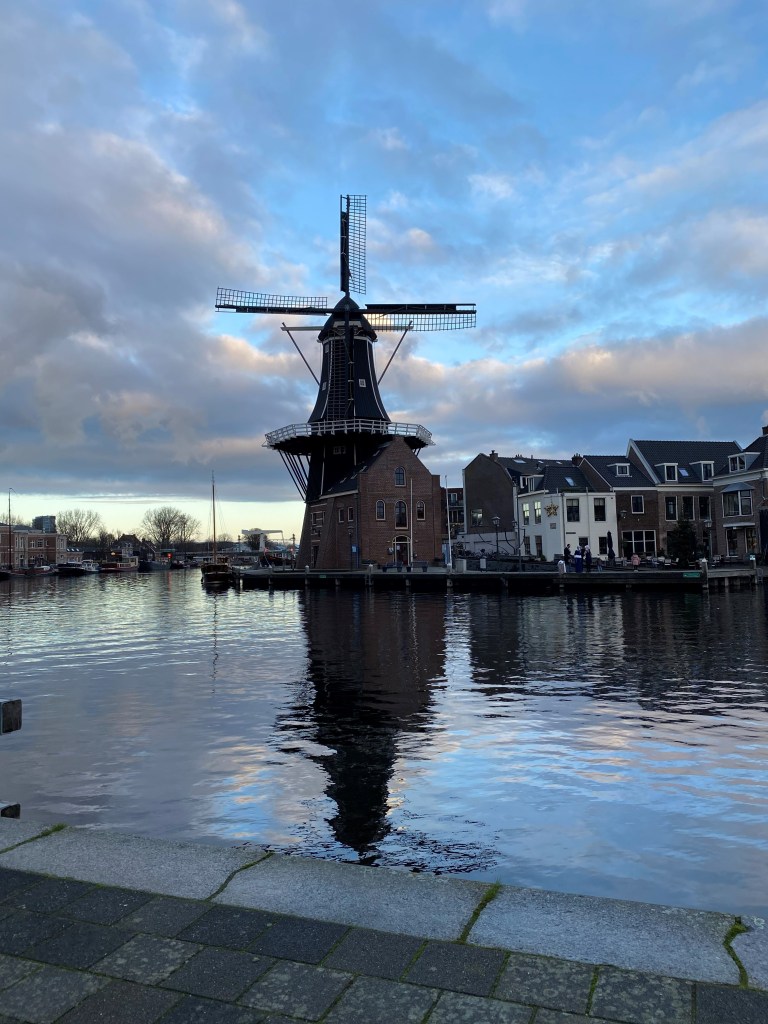
It is a well-known phrase that Egypt is the Gift of the Nile. This got me thinking about other places that may not have existed, or thrived to the degree they do, if something essential to their existence was missing. One such example is the Netherlands which can be considered the gift of the windmills. These beautiful wooden structures dot the landscape and are as quintessentially Dutch as tulips or even Gouda Cheese.
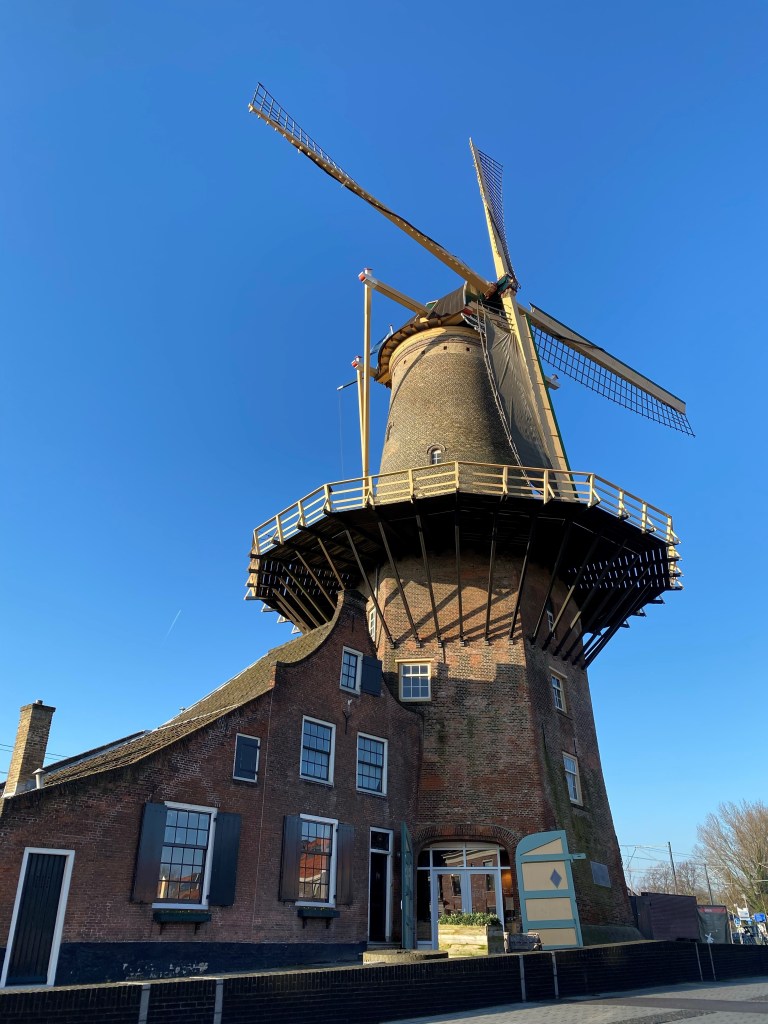
de Roos Windmill, Delft, Netherlands
The Netherlands is built on land that is below sea level and is made up of wetland, swamps, and marshes. In the Middle Ages, Netherlands was constantly getting flooded causing entire villages to get washed away. To make the land habitable it had to be drained. Reclaiming the land from the sea required the work of many generations of Dutch people.
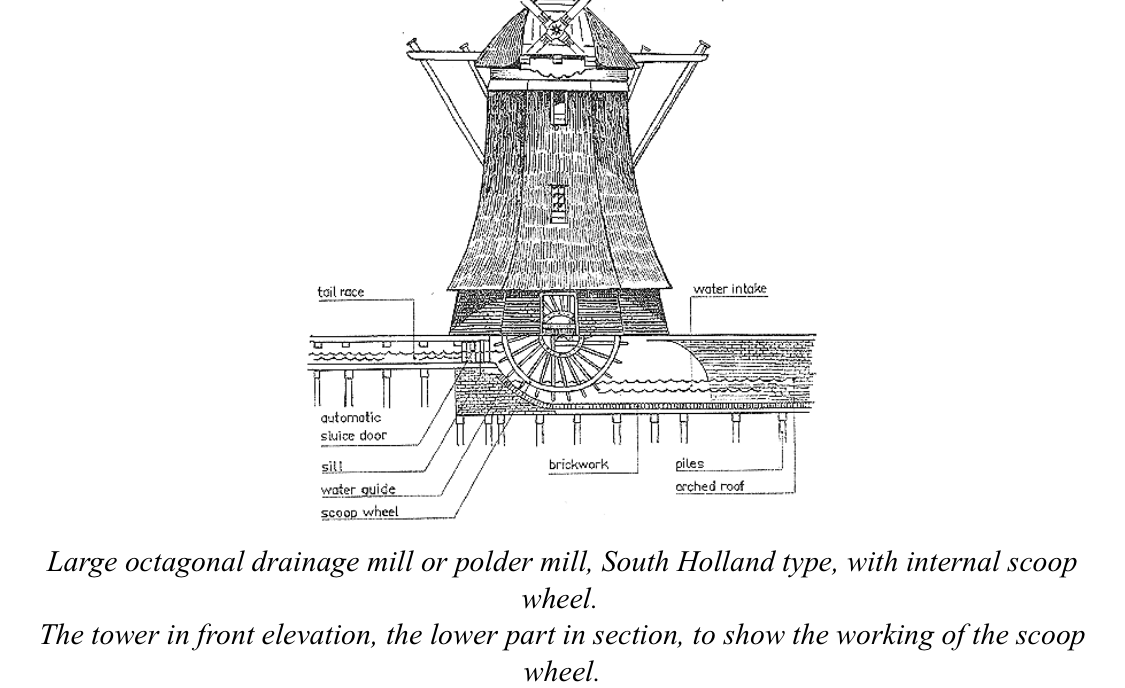
The land was first surrounded by dykes and dams, and then water was drained out of this land. To do this, the Dutch used windmills which harnessed wind energy and allowed them to reclaim land from the sea. The reclaimed land is known as polder, and the windmills that did this work are called Polder mills. These mills are built with strong oak timber frames – some of them have been standing since they were originally built in the 1600s.
The Polder windmills used wind power to turn an Archimedes screw or a water scoop wheel which rotated and lifted water up and over the dyke. The top of the windmill is a cap like structure to which the large fan blades are attached. The entire cap section can be rotated so it can be moved according to the direction of the wind, which in turn rotates the fan blades. The fan is linked to a wooden beam inside the windmill – when the fan rotates, the beam rotates which in turn causes the massive screw or wheel to rotate and lift water out of the ground. This is how windmills were to increase the size of the country – today, Netherlands is double the size it was in 1600.
Shipbuilding led to the Dutch Golden Age
As mill technology increased, wind energy was used to do many jobs that previously required manual labor. One direct impact of this technology was the ability to efficiently cut large pieces of timber such as those used for shipbuilding – this led to the Dutch Golden Age of economic prosperity in the 17th century.
So like the Nile River, the windmills of Netherlands are a gift that allowed it to thrive and become a global powerhouse in the 17th century.
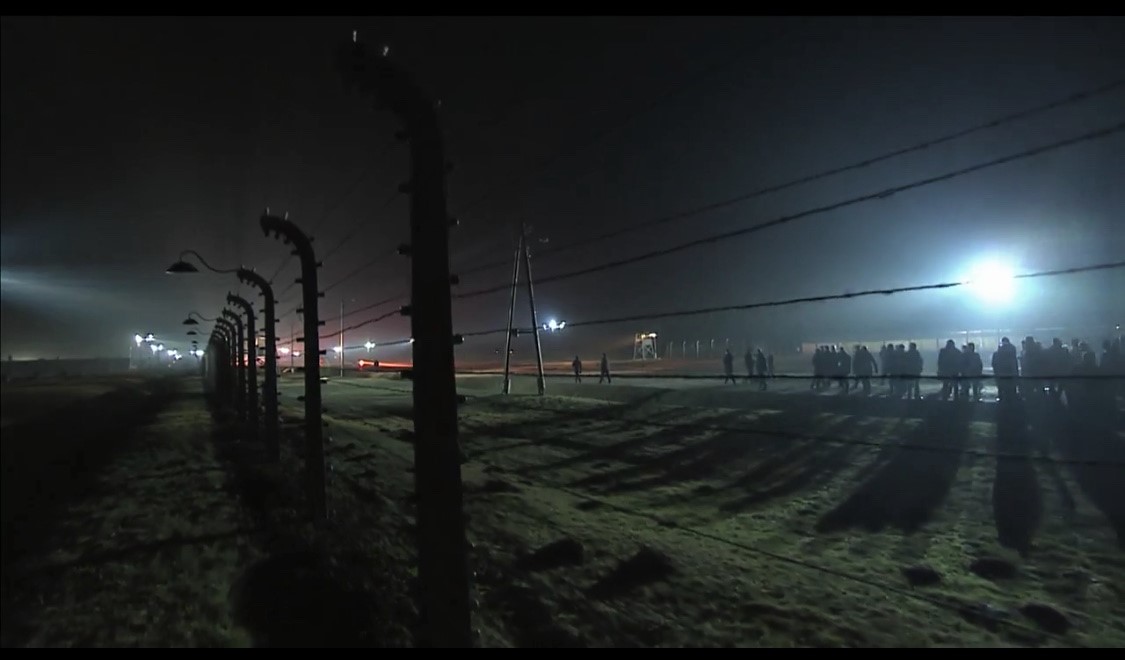
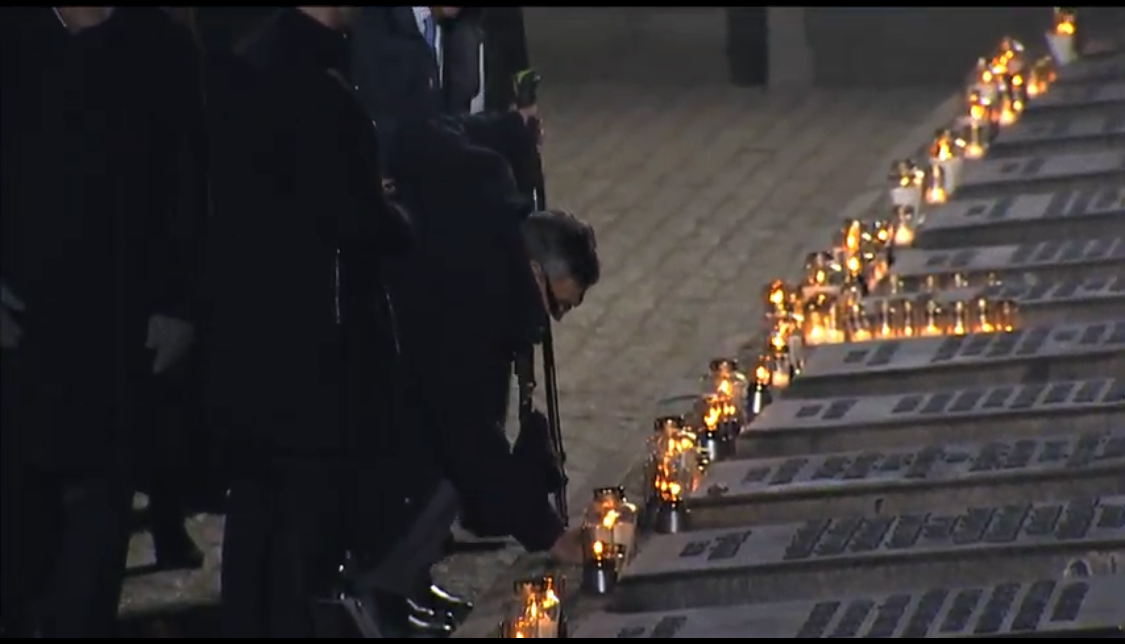
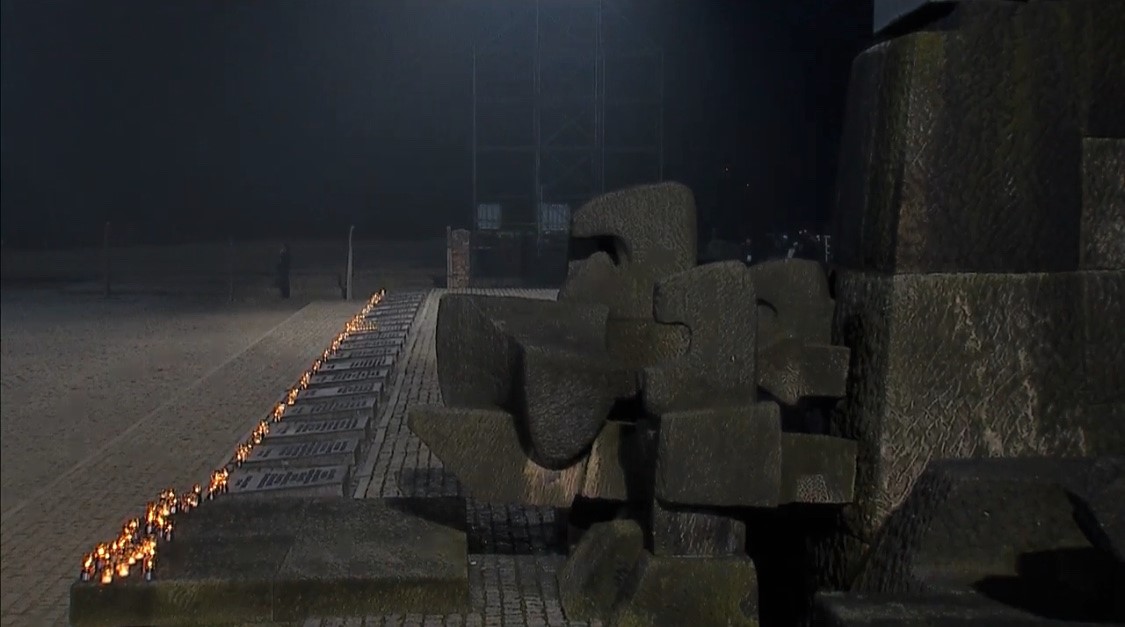
75 years ago today, on January 27, 1945, over 7000 prisoners of the German Nazi camp were liberated by the Soviet Army. It was day 1,689. Nazis had deported 1.1 million Jews, 150 thousand Poles, 23 thousand Roma, 15 thousand Prisoners of war and 25 thousand others to Auschwitz between 1940 and 1945. 1.1 million Jews were murdered. ( All images:@AuschwitzMuseum)
Arbeit Macht Frei – Work makes You Free. The sign was made by an inmate who put the upside down B as a gesture of defiance.
On Jan 27, 1945 – 75 years ago – the Soviet Army liberated over 7000 prisoners at Auschwitz. These quotes are from survivors of Auschwitz, with the exception of the first quote that is so powerful that I wanted to include it in this list.
Wenn es einen Gott gibt muse r mich um Verzeihung bitten. (If there is a God, He will have to beg my forgiveness). Unknown, Mauthausen Concentration Camp prison cell wall.
All of a sudden you are told to leave it all and walk out with a single suitcase. Irene Fogel Weiss, Survivor
I realize that loss of faith in people is more devastating than loss of faith in God. Irene Fogel Weiss, Survivor
I had survivor’s guilt. Edith Eger, Survivor.
So, let us be alert – – alert in a twofold sense. Since Auschwitz we know what man is capable of. And since Hiroshima we know what is at stake. Victor E Frankl, Man’s Search for Meaning.
No matter what I accomplish, it doesn’t seem like much compared to surviving Auschwitz. Art Spiegelman, Maus II: A Survivor’s Tale: And Here My Troubles Began.
To remain silent and indifferent is the greatest sin of all. Elie Wiesel.
Words can sometimes, in moments of grace, attain the quality of deeds. Elie Wiesel.
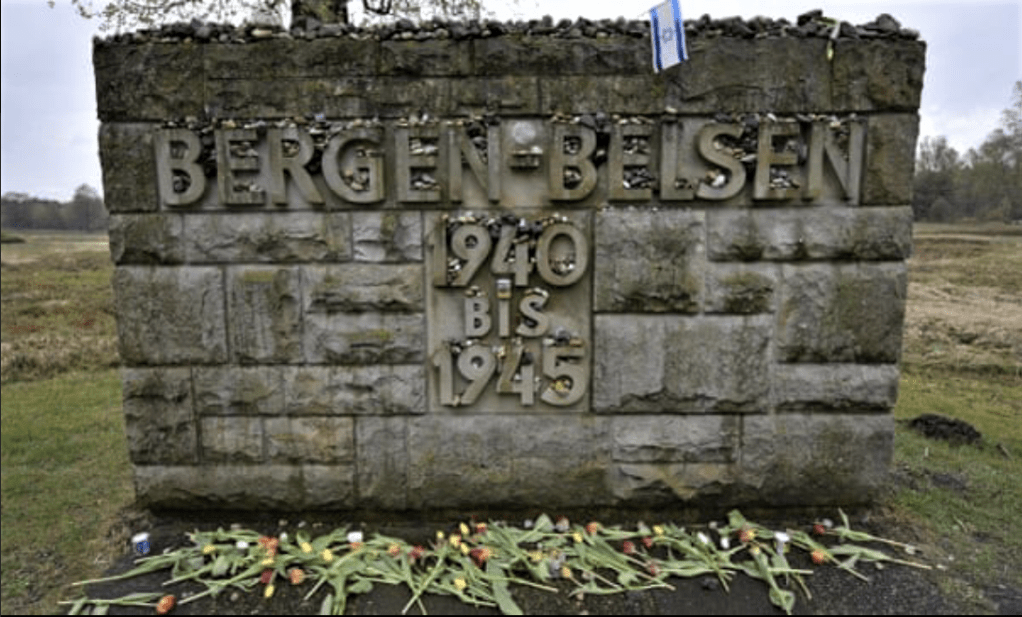
Today, I read a series of incredible tweets by Daniel Finkelstein (@dannythefink) about his mother’s release from Bergen-Belsen Camp 75 years ago. I am sharing them here exactly how he tweeted them.
“This week I will be tweeting about my mother’s release from Belsen, 75 years ago.
75 years ago today, my grandmother Margarethe Wiener appeared before German medical examiner at Bergen-Belsen to prove she was medically fit to be used in a prisoner exchange. She was almost too weak to stand but with freedom at stake for her girls she somehow managed to pass.
The Germans wished to avoid the allied countries seeing how ill and weak the Belsen prisoners were. 20 January 1945.
At 9 am on the 21st January 1945, my grandmother and her three girls, Ruth and Eva (my aunts) and Mirjam (my Mum then 11 years old) are taken from their barracks and placed in a quarantine area. Then they were taken for a shower. The stood waiting not knowing what would come out.
It was water. They are given a meal. It is soup as usual, but it had “actual bits of potato in it” my mother remembers. It’s a proper train not a cattle truck. Their false Paraguayan passports, even though they have expired seem to have done the trick.
The documents have made them eligible for exchange with Germans who wish to return from allied occupied countries. 50,000 people died in the supposed exchange camp of Belsen. But little more than 300 people are ever exchanged. This train carries some of these few.
But the story isn’t over yet.
January 22nd 1945. My Aunt Ruth had been keeping a diary. She’d won a pocket one in a magazine competition just before arrest. So she made little short entries, just a few words because the pencil was tiny and if it ran out she wouldn’t be able to get another one.
She had recorded camp events such as “special meal: peas soup” or somehow making a homemade belt for my mother’s 11th birthday. Days of sickness and many punishments are recalled. On 20 December 1944 through the barbed wire Ruth notices friends in the next door camp section.
She writes in her diary. “Margot and Anne Frank in the other camp”.
On this day, 22 January 1945 as the train heads to freedom, she writes only “train trip via Berlin”.
On 23rd January 1945 there is a calamity. The Germans decide they have too many people on the train. More than half will have to leave the train before freedom in Switzerland. My Aunt records them in her diary as being at Ravensbruck camp on this day.
My mum remembers it as bitter cold and that expulsion from the train surely meant death for them all. By this point my grandmother was desperately weak and ill. An SS Guard comes through their carriage and says to the “Off!”.
Ruth (the oldest sister) says they cannot get off. Their mother is too ill to move. They cannot move her. The guard pauses, shrugs, says “Stay then” and passes on to the next carriage. In this moment their lives are saved.
24 January 1945. There is one more day before the train reaches freedom. Today some more of the prisoners are moved to a civilian internment camp, where many survive the war, but some do not. The Wiener family continues to the border. Tomorrow will come the end of the story.
25 January 1945 the train crosses into Switzerland. Margarethe has sacrificed everything, given every scrap of food to her children, protected them against all but she has seen her girls to freedom.
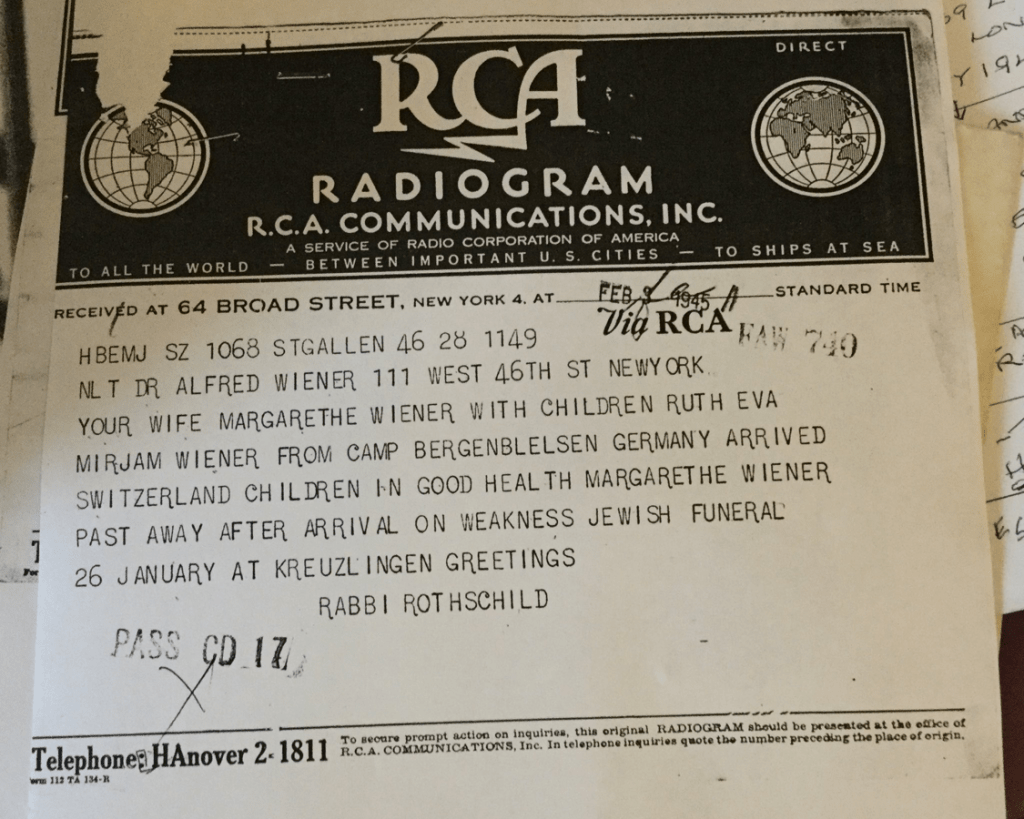
My grandfather is in New York securing the supply of his library on the Nazis, which is to provide one of the main sources of evidence at the Nuremberg trials. A telegram has been sent to him carrying the news.
Margarethe died at 1:15 am on 26th February (I think Daniel Finkelstein meant January here). Her daughters sail to America and all remember the moment they see the Statue of Liberty. Mirjam meets my father, a survivor himself of deportation to Serbia. She becomes a maths teacher and together they have a happy and long life.
She was never bitter and neither was he. They loved life and freedom and this country. So it’s traditional to finish a thread with the word ends/. But at this moment of freedom I finish the thread with begins/.”
(NOTE: Daniel Finkelstein’s grandfather is Dr. Alfred Wiener, founder of the Wiener Library (London and Tel Aviv)).
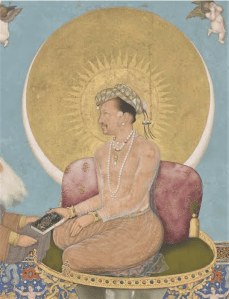
Bichitr, Jahangir Preferring a Sufi Shaikh to Kings from the St. Petersburg Album, 1615-1618.
Last week, I came across a miniature painting, Jahangir Preferring a Sufi Shaikh to Kings, from 17th century Mughal India which perfectly portrays the meeting of East and West and the beginning of the blending of cultures and influences which eventually led to the world becoming a smaller place. The miniature was painted in the Mughal court, from where it went to Persia after the invasion by Nadir Shah in 1739 where the back floral motif was added to the painting. After this, the painting reached St. Petersburg in Russia (I am not sure how this happened – I will need to research this further). It is now at the Freer Gallery in the Smithsonian Museum of Asian Art.
Bichitr (b 1585), a Hindu court artist lived and worked in the court of Jahangir where he painted the Mughal emperor and the happenings in his court. Between 1615 and 1618, he painted this watercolor, gold leaf, and ink miniature masterpiece which shows Jahangir granting audience to four men who are lined up in the order of importance Jahangir is showing them.
Jahangir seated on an hourglass throne
Jahangir – the second Mughal emperor of India was the son of the Great Akbar is seen seated on an hourglass throne. Jahangir liked to be glorified in paintings, and was responsible for the flourishing of Italian Renaissance style painting in his court. Jahangir has a halo of both the sun and moon behind his head, which symbolizes his exalted status.
The hourglass was most likely brought to court in 1584 by an English goldsmith
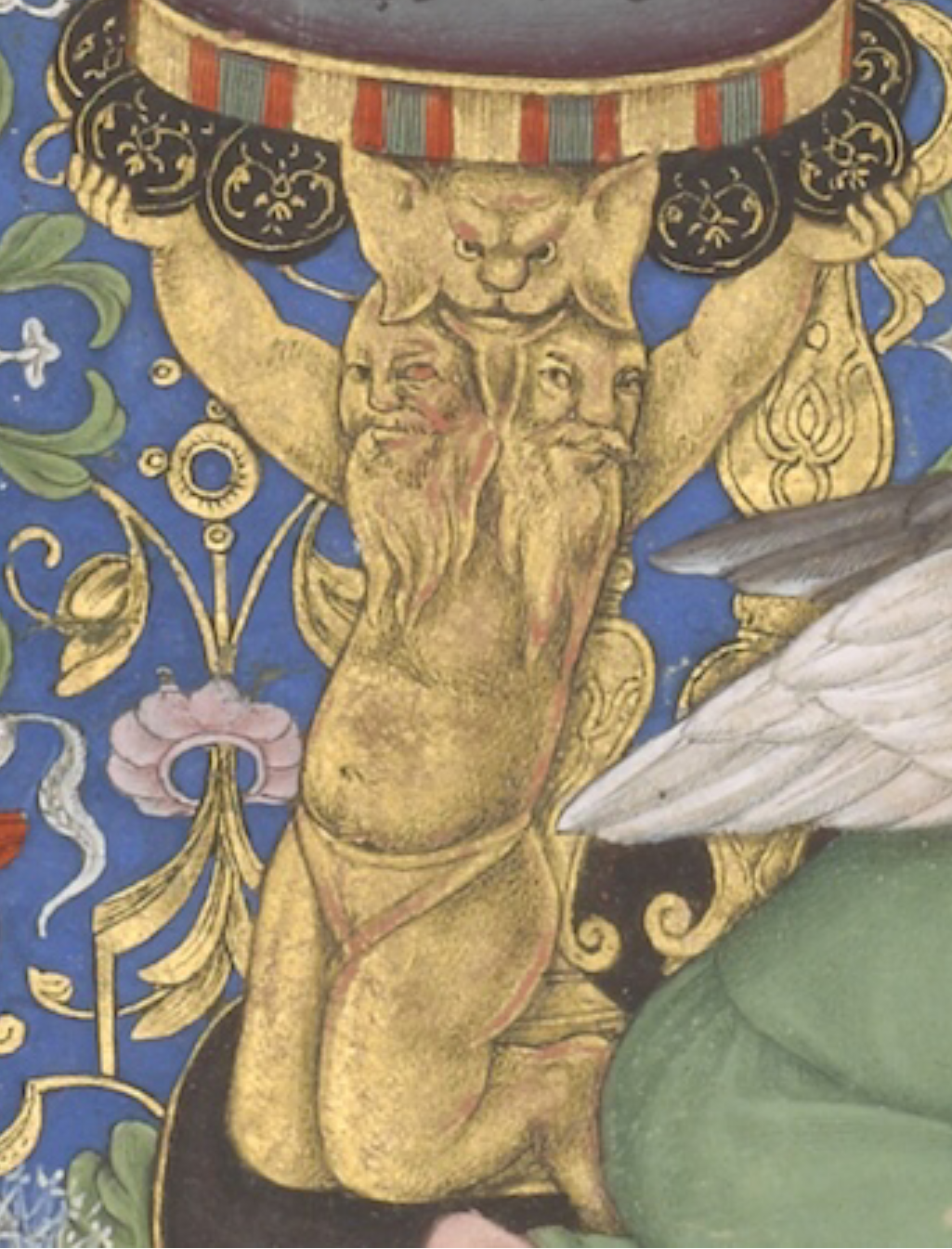
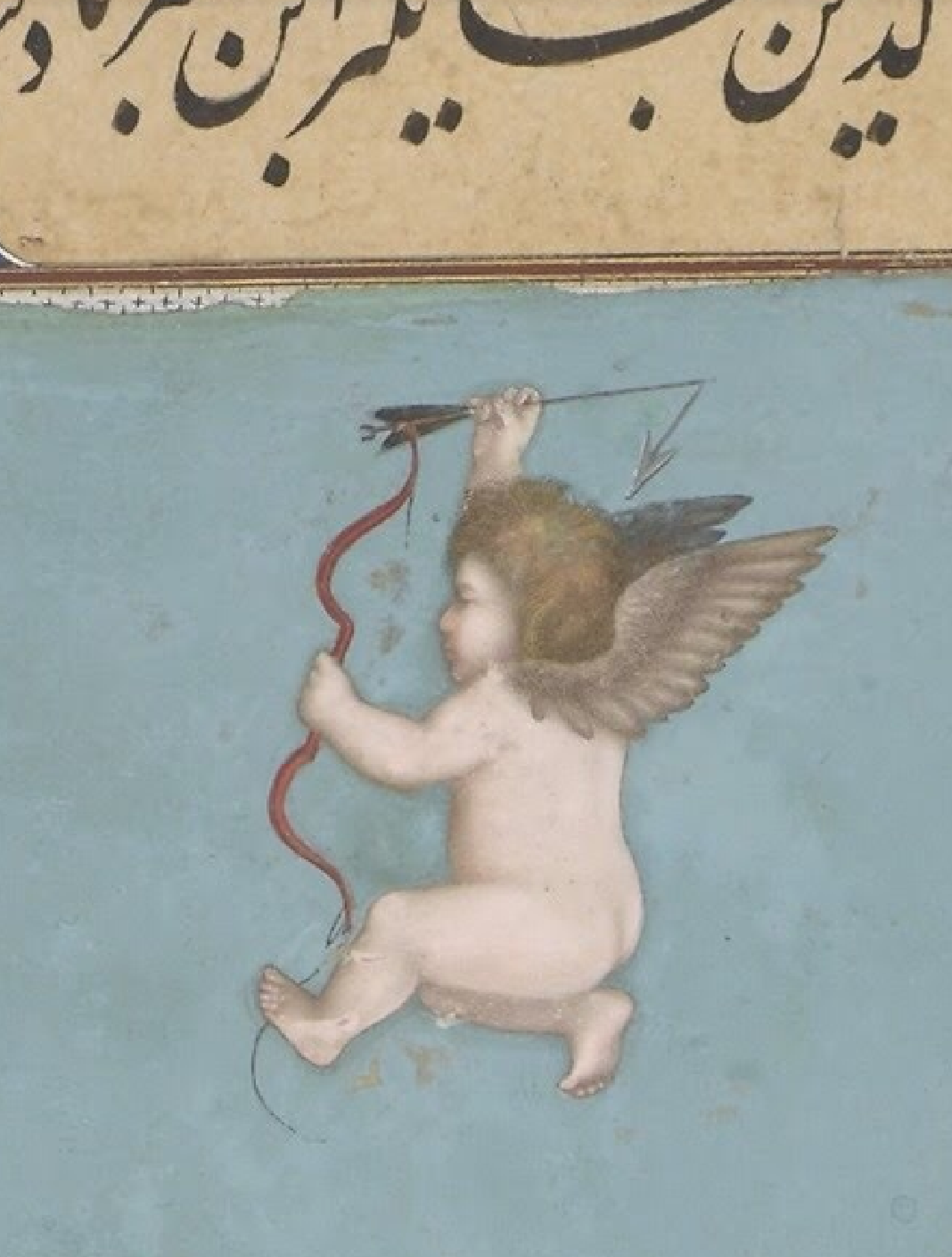
A connection with Europe is seen in the hourglass which was a European invention. It has been painted from a gold hourglass that was most likely brought to the court in 1584 by an English goldsmith William Leedes. Similar European hourglasses from this period are found in museums across Europe. Two cupids (puttos) at the base of the hourglass are a direct influence of Christian iconographic devices in European art. Another European influence is the grotesque looking three headed figure at the base of the footstool that is eerily reminiscent of gargoyles.
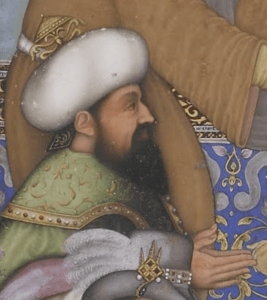
The Ottoman King – The second person in line is an Ottoman King (though exactly who is unknown) from present day Turkey who stands patiently waiting his turn with his hands folded in deference.
King James – Bichitr painted King James I (1566-1625) of England from a portrait by John De Crtiz (left) which was given to Jahangir by Thomas Roe, the first English ambassador to the Mughal court. Thomas Roe traveled to Ajmer in 1615 in order to secure trading concessions for the East India Company. John De Critz (1551–1642) was a Flemish painter who came to England from the Netherlands and was appointed Serjeant-painter to James I in 1605. While the King customarily rests his hand on his sword in de Critz’s painting, it is hovering in a conspicuously non-threatening manner above the sword in Bichitr’s painting. Both kings who wait in line to be seen by Jahangir are from far flung empires showing us that the world has always been interconnected.
Bichitr: Portrait within a portrait
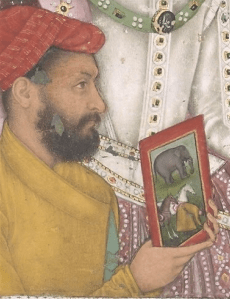
Self-portrait – The person closest to us (who ironically is the smallest) is the artist himself who has forgone perspective for the sake of aggrandizing his patron Jahangir. That Bichitr had been influenced by Italian Renaissance perspective is evident from the small portrait within the portrait in which he has painted himself with two horses and an elephant (all gifts to him from Jahangir). He shows his utmost gratitude to Jahangir by bowing deeply before his king. The portrait within the portrait is made with depth perspective and shows the artist’s skill and the influence of Italian techniques in his work.
This brilliant miniature from the early 1600s shows us how interconnected and small the world was even then. It is a perfect blending of Persian and Hindu cultures, of European and Turkish influences, and of religious iconography and symbolism – showing us that the world and its peoples have always traveled the globe seeking new people and places.



























 mimisawhney.com